Zastava 900 classic cars for sale
The Zastava 900 embodies affordable, practical motoring from Yugoslavia, derived from the Fiat 600 and adapted for local markets. With its compact size, frugal engine, and simple mechanics, it attracts enthusiasts looking for an accessible and historically significant classic. It is a rare find in Western European markets, making every offered model noteworthy for collectors and nostalgic drivers alike.
Search results
Currently, there are no matching listings for your search.
Create search alert
Let yourself be notified as soon as a listing is published that matches your search filters.
Create listing
Do you have a Zastava 900 that you want to sell? Then create a listing now.
Create listingZastava 900 listing references from Classic Trader
Below you will find listings related to your search that are no longer available on Classic Trader. Use this information to gain insight into availability, value trends, and current pricing for a "Zastava 900" to make a more informed purchasing decision.
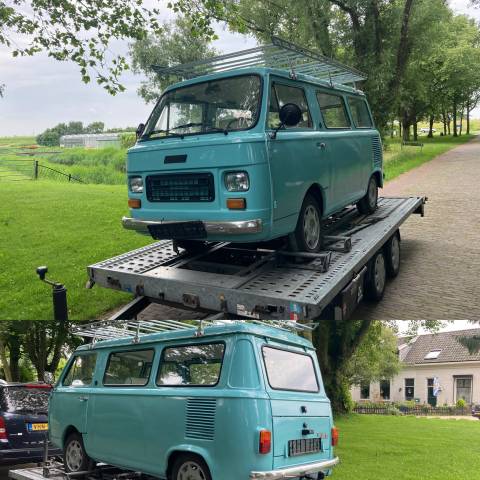
1988 | Zastava 900 AK
Familiare Personen camper slaap bus
Create search alert
Let yourself be notified as soon as a listing is published that matches your search filters.
Create listing
Do you have a Zastava 900 that you want to sell? Then create a listing now.
Create listingZastava 900 Classic Cars: Prices & Market Values
History of the Zastava 900
The Zastava 900 traces its origins to the collaboration between Fiat and the Yugoslav manufacturer Zastava in the second half of the 20th century. Built under licence during the 1980s and 1990s, the 900 continued the lines established by the Fiat 600, with engineering and design adapted for Yugoslav drivers. The model played a vital role in motorising Yugoslavia, becoming a common sight on local roads and deeply intertwined with everyday life in the region during its production years.
Model History
The Zastava 900 succeeded earlier Zastava-licensed Fiat models, mainly evolving from the 750 series. The 900 introduced a larger engine and slightly updated styling, keeping the same basic body shape as its predecessors. Eventually, this line led to the Zastava 850 and other local derivatives before production was phased out as the market turned to newer models and imports.
Highlights and Market Data
The Zastava 900 stands out for its straightforward construction and robust mechanics, designed to be maintained with a minimum of special tools. Its utilitarian charm, combined with classic rear-engine layout and rear-wheel drive, appeals to purists who appreciate direct mechanical feedback. The 900’s compact dimensions make it well-suited for urban driving and tight parking situations, while the simple interior ensures accessible restoration projects for enthusiasts.
Technical Data
Special Editions and Collectible Models
The Zastava 900 was primarily offered as a standard model, with few factory-sanctioned special editions. However, export versions and variants with unique trim or locally adapted features—for example, slight differences in headlamps, upholstery, or exterior badging—may be of particular interest to dedicated collectors.
Weak Spots and Common Issues
While robust, the Zastava 900 benefits from regular attention to the cooling system and attention to potential corrosion in the sills, floorpan, and wheel arches. Aging wiring looms and worn suspension bushings are also frequently encountered. Replacement parts are often compatible with Fiat 600, but sourcing Zastava-specific details can be a challenge. Professional and do-it-yourself mechanics appreciate the engine's accessibility and straightforward layout.
Engine, Transmission, and Handling
With its compact 843 cc engine, the Zastava 900 delivers modest but usable performance for urban and light suburban driving. The engine produces approachable power, offering a driving experience close to the original Fiat 600, with an unmistakable rear-engined character. The manual gearbox is direct, though notchy by modern standards, while handling remains predictable thanks to the light weight and rear-wheel-drive layout. Among Zastava’s classic range, the 900 is notable for being a late representative of the Fiat-based line-up. Its technical data puts it between earlier 750 variants and the later 850/128-based models, maintaining the classic architecture but advancing drivetrain refinement.
Interior, Comfort, Exterior and Design
The Zastava 900’s design closely mirrors its Fiat roots, featuring rounded bodywork, minimalist bumpers, and small-diameter steel wheels. The interior is functional: expect simple vinyl seats, spartan dashboard controls, and manual everything. Accessories included basic heating and the rare presence of radio units. Special colours were occasionally delivered for export models, and some versions include distinctive local trim details like unique seat fabrics or steering wheels. The overall package provides a clear window into the utilitarian philosophy that dominated Eastern European car design in the era.
Additional Features
Some Zastava 900s feature local adaptations, such as converted LPG fuel systems or period-correct roof racks, reflecting the practical demands of their first owners. Enthusiasts often appreciate these period touches, which add historical texture to individual vehicles.
Summary
The Zastava 900 stands as a testament to accessible classic motoring from Eastern Europe, blending Fiat-derived engineering with unique local adaptations. Rarity in Western Europe combined with simple, repair-friendly technology makes it a standout choice for enthusiasts seeking a budget-friendly point of entry to the classic car world.