Victoria Victoria 250 classic cars for sale
The Victoria 250 stands out among classic motorcycles for its refined engineering and distinctive German craftsmanship. Collectors searching for a reliable and stylish machine will find the Victoria 250 to be a compelling choice, blending period-typical technology with an enduring aesthetic appeal.
Resultados de la búsqueda
Actualmente no hay anuncios que coincidan con su búsqueda.
Create search alert
Let yourself be notified as soon as a listing is published that matches your search filters.
Create listing
Do you have a Victoria Victoria 250 that you want to sell? Then create a listing now.
Create listingVictoria Victoria 250 listing references from Classic Trader
Below you will find listings related to your search that are no longer available on Classic Trader. Use this information to gain insight into availability, value trends, and current pricing for a "Victoria Victoria 250" to make a more informed purchasing decision.
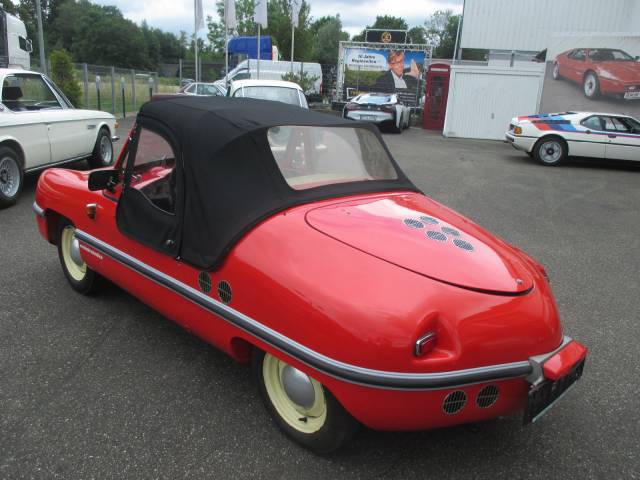
1957 | Victoria 250
Victoria 250 Spatz
Create search alert
Let yourself be notified as soon as a listing is published that matches your search filters.
Create listing
Do you have a Victoria Victoria 250 that you want to sell? Then create a listing now.
Create listingVictoria Victoria 250 Classic Cars: Prices & Market Values
History of the Victoria 250
Victoria, a prominent name in the German motorcycle scene, established a robust reputation during the mid-20th century for producing motorcycles with innovative engineering. The Victoria 250, launched in the post-war era, showcased advancements in engine performance and reliability at a time when mobility was gaining renewed importance in Europe. This model played a vital role in cementing Victoria’s reputation for producing machines that prioritised both function and form. The 250 series evolved alongside the growing interest in more powerful and comfortable motorcycles, marking it as a key chapter in Victoria’s development.
Model history
The Victoria 250 model built its foundation upon earlier Victoria motorcycles, deriving engineering principles from its predecessors while upgrading areas such as the engine, frame, and suspension. Preczessors featured smaller capacities and less powerful engines, while the 250 upped the ante with enhanced output and refined mechanics. Successive models in the Victoria lineup after the 250 either offered greater displacement or integrated modernised suspension systems, showing the manufacturer's ongoing effort to stay current with technological trends. The 250 sits as a transitional point, connecting classic simplicity with advancing mechanical standards.
Highlights and market statistics
Among enthusiasts, the Victoria 250 is well-regarded for its balanced combination of power and reliability. Notable is its solid construction, which makes it suitable both for restoration projects and regular classic riding. The 250 was equipped with a robust two-stroke engine that provided a lively riding experience for its capacity. Unique period details, such as authentic tank badges and specific wheel sizes, further set it apart.
Technical Data
Special Editions and Collectible Models
No notable special editions for the Victoria 250 have surfaced in official records or collector circles, indicating that the model was produced primarily as a consistent baseline variant to cater to the broader post-war market.
Weak Spots and Common Issues
No model-specific common issues are officially documented. As with any motorcycle from this era, it is essential to check for age-related wear—especially in the electrical wiring, carburettor seals, and the integrity of the suspension. Periodic inspections for corrosion in the exhaust and frame components, as well as checking the gearbox for any unusual noises or gear slippage, is recommended for continued reliability.
Engine and Performance, Transmission and Handling
With its 250 cm³ two-stroke engine, the Victoria 250 provided brisk acceleration for its time. The torque delivery was smooth, favouring practical mid-range power—ideal for country roads and city commutes alike. Handling benefited from a low centre of gravity and sturdy frame, making it confidence-inspiring even on challenging surfaces. The typical gear configuration allowed for versatile performance, be it solo rides or with a passenger. Key highlights include the adaptability of the engine to period performance upgrades, part interchangeability with earlier Victoria models, and the reliably smooth ride, a hallmark of post-war German motorcycles.
Interior, Comfort, Exterior and Design
The Victoria 250 embraced 1950s and 1960s design language with rounded tank shapes, integrated chrome elements, and practical seating for two. Standard paint finishes included understated matte and gloss tones, while chrome trim accentuated key frame elements. The seating layout focused on rider comfort for longer journeys, and handlebar ergonomics enabled a relaxed riding posture. Accessories such as period-correct panniers and lighting upgrades were available as dealer-fitted extras. The instrument binnacle typically housed an informative speedometer, aligning with the vehicle’s utilitarian yet stylish intent.
Other Features
The Victoria 250’s reputation also stems from club support and parts availability within classic motorcycle communities, helping to keep these machines on the road decades after their initial production.
Summary
The Victoria 250 distinguishes itself as a resilient and characterful classic motorcycle, valued for its authentic engineering and German heritage. With reliable mechanics, straightforward maintenance, and robust support from enthusiasts, the Victoria 250 remains an accessible and engaging entry in the world of historic motorcycles.