- Car
- Vanden Plas
- Vanden Plas Princess (0 offers)
Vanden Plas Princess classic cars for sale
Vanden Plas Princess models fuse compact British saloon engineering with exclusive interior luxury. Renowned for outstanding craftsmanship and the innovative use of Rolls-Royce mechanicals in the prestigious 4-Litre R, these saloons offer wool carpets, hand-finished wood, and a comfortable Hydrolastic suspension—defining features for connoisseurs of British luxury motoring.
Search results
Currently, there are no matching listings for your search.
Create search alert
Let yourself be notified as soon as a listing is published that matches your search filters.
Create listing
Do you have a Vanden Plas Princess that you want to sell? Then create a listing now.
Create listingVanden Plas Princess listing references from Classic Trader
Below you will find listings related to your search that are no longer available on Classic Trader. Use this information to gain insight into availability, value trends, and current pricing for a "Vanden Plas Princess" to make a more informed purchasing decision.
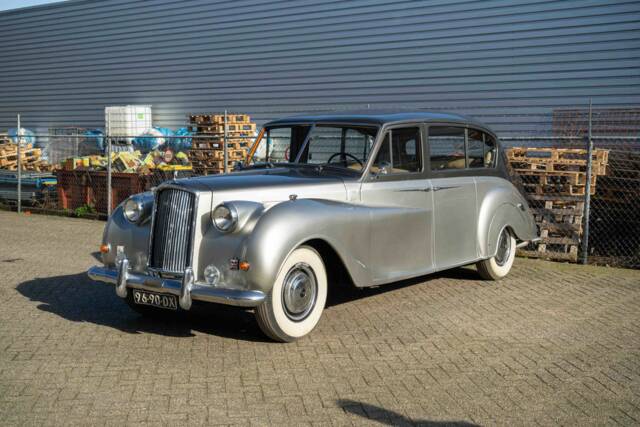
1967 | Vanden Plas Princess
Vanden Plas Princess 4.0 Saloon | 1967 | Route 66 Auctions - For sale by auction. Estimate 4500 EUR

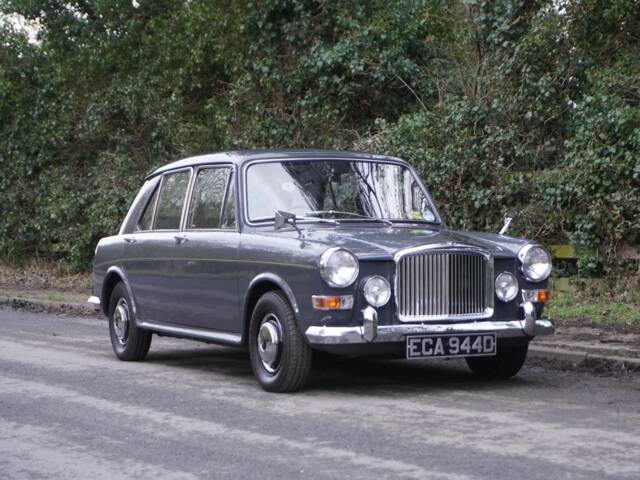
1966 | Vanden Plas 1100/1275
1966 Vanden Plas 1100 Princess

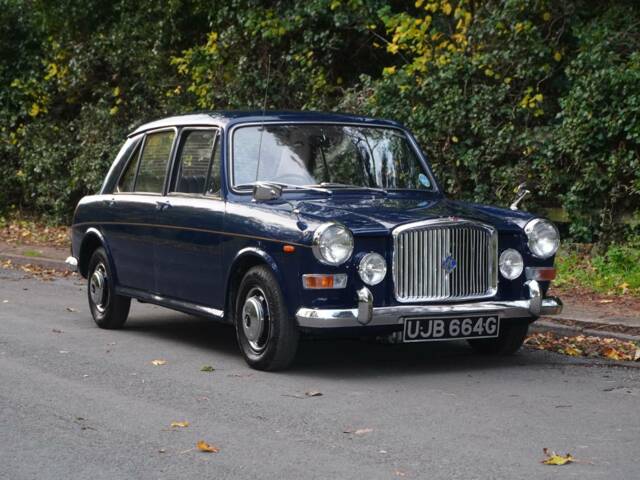
1969 | Vanden Plas 1300
1969 Vanden Plas 1300 Automatic
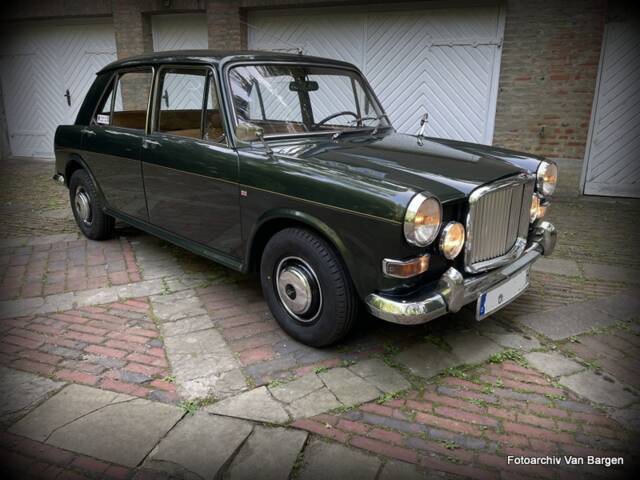
1966 | Vanden Plas 1100/1275
mit interressanter Historie ind umfangreich restauriert

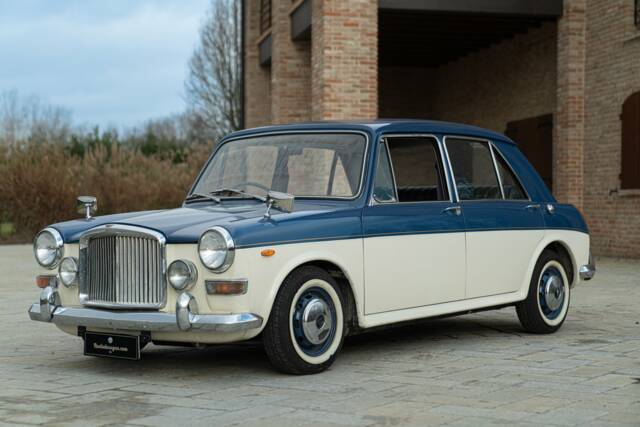
1971 | Vanden Plas 1300

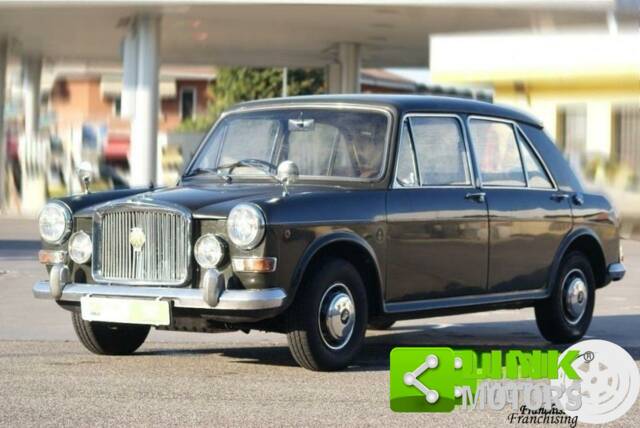
1983 | Vanden Plas 1300
OLDTIMER Vanden Plas PRENOTATA
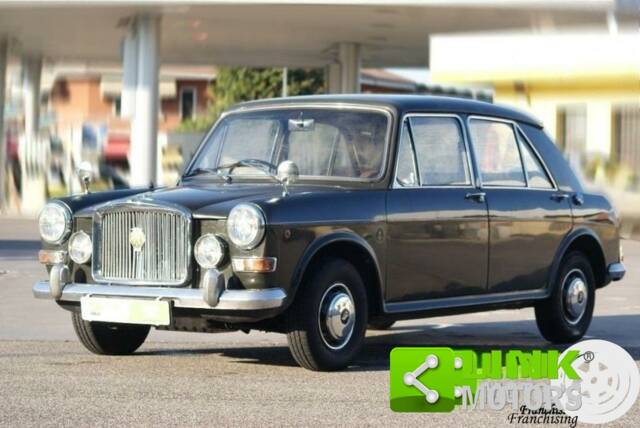
1983 | Vanden Plas 1300
OLDTIMER Vanden Plas Vanden Plas 1300 berlina ben conservata
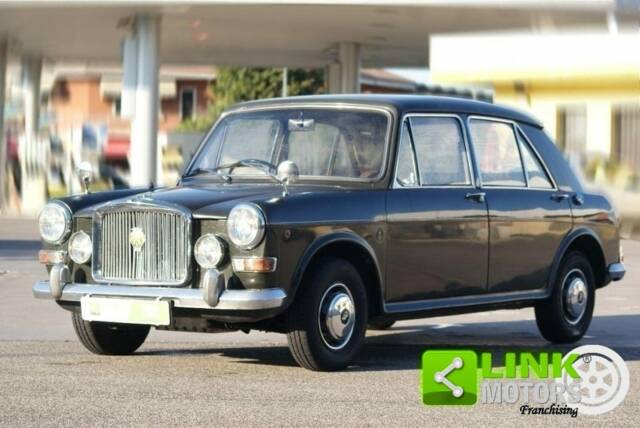
1983 | Vanden Plas 1300
OLDTIMER Vanden Plas Vanden Plas 1300 berlina ben conservata
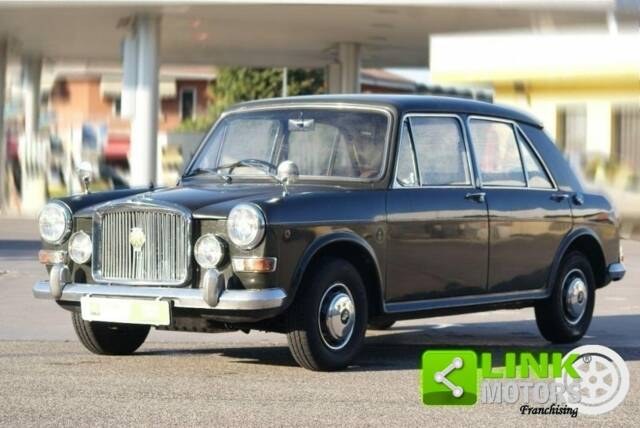
1983 | Vanden Plas 1300
OLDTIMER Vanden Plas Vanden Plas 1300 berlina ben conservata
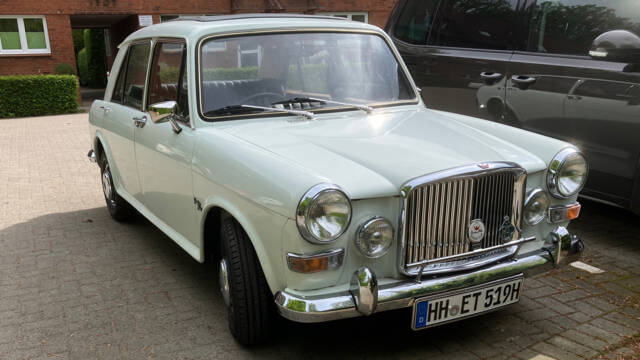
1972 | Vanden Plas 1300
Vanden Plas Princess 1300
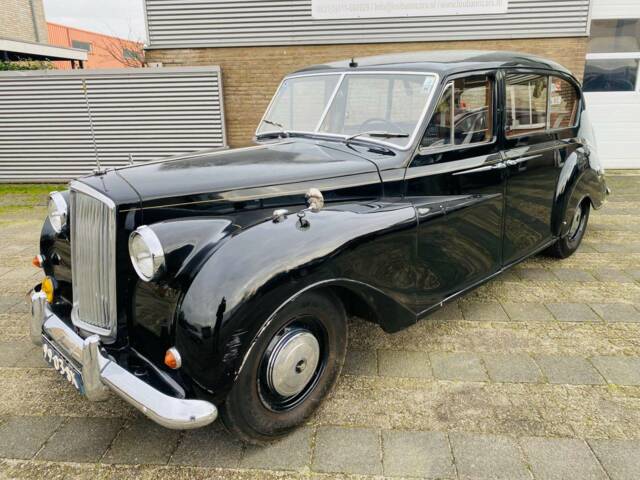
1962 | Vanden Plas Princess
Oldtimer Rolls Royce Van den plas princess Links gestuurd
1962 | Vanden Plas Princess
Oldtimer Rolls Royce Van den plas princess Links gestuurd
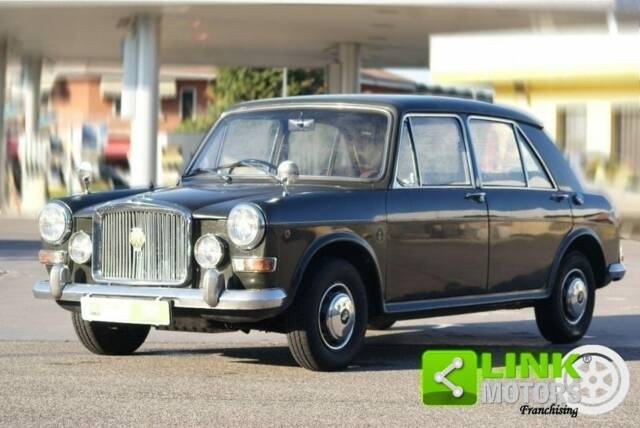
1983 | Vanden Plas 1300
OLDTIMER Vanden Plas Vanden Plas 1300 berlina ben conservata
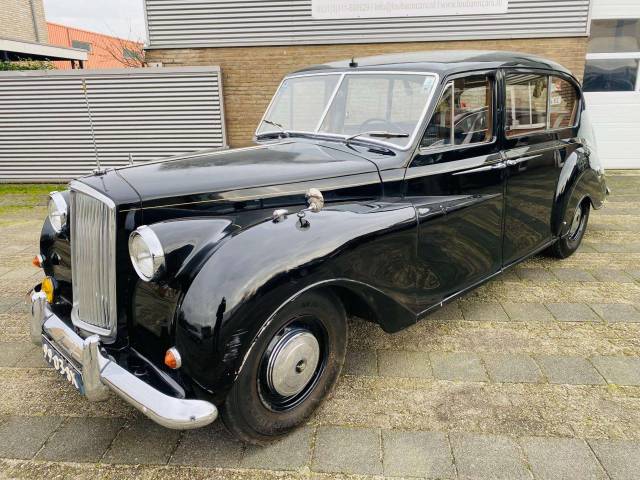
1962 | Vanden Plas Princess
Rolls-Royce Van den plas princess Links gestuurd
Create search alert
Let yourself be notified as soon as a listing is published that matches your search filters.
Create listing
Do you have a Vanden Plas Princess that you want to sell? Then create a listing now.
Create listingVanden Plas Princess Classic Cars: Prices & Market Values
History of the Vanden Plas Princess
The Vanden Plas Princess was introduced as a badge-engineered version of the Austin A99 Westminster by BMC from 1959 to 1968 and elevated the compact saloon segment into the luxury class. Vanden Plas, historically known for high-quality coachwork, transformed these otherwise modestly sized saloons using artisanal interior touches and a focus on refined details. The model gained a reputation among discerning British motorists, particularly those retiring from larger limousines, for offering generous luxury in an understated, manageable format. With a distinctive front grille and plush appointments, Princess models became synonymous with British comfort and style.
Model History of the Vanden Plas Princess
The Princess series built its base on the front-wheel-drive BMC platforms. The early models evolved from the Austin Westminster into the Vanden Plas-badged luxury saloons, available both with short and long wheelbases and sometimes as seven-seaters with partition glass. The pivotal moment in the model’s history came in 1964 with the Princess 4-Litre R’s introduction, featuring the Rolls-Royce FB60 inline-six aluminium engine inherited from the Silver Cloud. Production numbers for the 4-Litre R were limited to just 6,555 units until 1968, marking the end of an era where British Motor Corporation and Rolls-Royce collaborated on a single platform.
Highlights and Unique Features
Princess models distinguish themselves through their interior: high-quality walnut veneer trim, real leather seats, thick knitted wool carpets, and often the luxurious 'West of England' headlining. Many vehicles feature adjustable picnic tables, partition glass, and automatic gearboxes, catering to a clientele accustomed to limousine standards in a compact footprint. Hydrolastic suspension ('Whisky-Federung') became a hallmark of the comfort-oriented ride. The Princess 4-Litre R model presents a peculiarity as the only non-Rolls-Royce car fitted with a Rolls-Royce power unit, which makes it a technical curiosity.
Technical Data
Special Editions and Collectible Models
The standout within the Princess lineup is the 4-Litre R, produced between 1964 and 1968. As the only collaboration between BMC and Rolls-Royce, and the only car outside of the Rolls-Royce stable fitted with their engine, it occupies a singular place in British motoring history. Approximately 6,555 examples were produced, making this version especially desirable for collectors. Long-wheelbase versions and seven-seat configurations with driver partitions further add variety and exclusivity.
Weak Spots and Common Issues
Comprehensive data on typical weak spots for the Princess series is limited. However, due to the advanced age and complexity of these luxury components, potential buyers should inspect the condition of interior wood trim, electrical systems (especially those related to the Hydrolastic suspension), and any original partition mechanisms. As with any classic featuring intricate coachbuilt elements, sourcing period-correct interior materials and mechanical spares should be considered when budgeting for restoration or upkeep.
Engine, Transmission, and Handling
Princess models are engineered for comfort rather than outright performance, especially favoured by older owners for their gentle ride and quiet cabin. The Hydrolastic suspension system excels at smoothing uneven British roads, while the adoption of advanced automatic gearboxes and Rolls-Royce's FB60 engine in the 4-Litre R creates a refined driving experience. Handling is oriented towards steady and predictable progress, with the X-frame chassis offering durability and solidity. - Princess 1300: Compact model, renowned for luxury in a small package.
- Princess 4-Litre R: 3.9-litre straight-six Rolls-Royce engine, top speed 112 mph, a technical highlight.
- Long-wheelbase / 7-seater versions: For formal transport and chauffeur applications, notable for partition glass and versatile use.
Design, Interior and Exterior
The aesthetic of the Princess is deeply British, defined by a distinctive grille and understated proportions. Interior craftsmanship is evident in elegantly finished walnut veneer, hand-stitched leather, thick wool carpet, and occasional folding picnic trays. Special features like partition windows for chauffeur-driven variants, and the 'West of England' headlining in many models reinforce the ambience of exclusivity. Exterior paintwork often focused on traditional deep hues, further underlining the sophisticated intent of the vehicle. The Pininfarina-designed bodywork for the 4-Litre R underscores the international flair brought to the model during its most technologically ambitious phase.
Other Notable Features
Official documents such as British Leyland workshop manuals exist and can aid maintenance. Partition windows and formal seating layouts made Princess models the car of choice for weddings, official ceremonies, and executive transport in mid-20th-century Britain. The combination of compact exterior dimensions and surprisingly spacious cabins reflects the careful optimisation of usage for both owners and chauffeurs.
Summary
Vanden Plas Princess models represent a synthesis of compact British engineering and elite luxury, marked most dramatically by the Rolls-Royce-engined 4-Litre R. Their preeminence in both supply and demand statistics within the Vanden Plas roster reflects an enduring respect for their craftsmanship, history, and technical singularity. For enthusiasts seeking a classic saloon that delivers an authentic slice of British motoring heritage—with authentic luxury in a manageable format—the Princess stands apart.