Turner 803 classic cars for sale
The Turner 803 offers a rare glimpse into the origins of British lightweight sports cars with its hand-built character and purist, motorsport-inspired design. A Turner 803 stands as a testament to innovative engineering and the pursuit of driving pleasure in post-war Britain.
Search results
Currently, there are no matching listings for your search.
Create search alert
Let yourself be notified as soon as a listing is published that matches your search filters.
Create listing
Do you have a Turner 803 that you want to sell? Then create a listing now.
Create listingTurner 803 listing references from Classic Trader
Below you will find listings related to your search that are no longer available on Classic Trader. Use this information to gain insight into availability, value trends, and current pricing for a "Turner 803" to make a more informed purchasing decision.
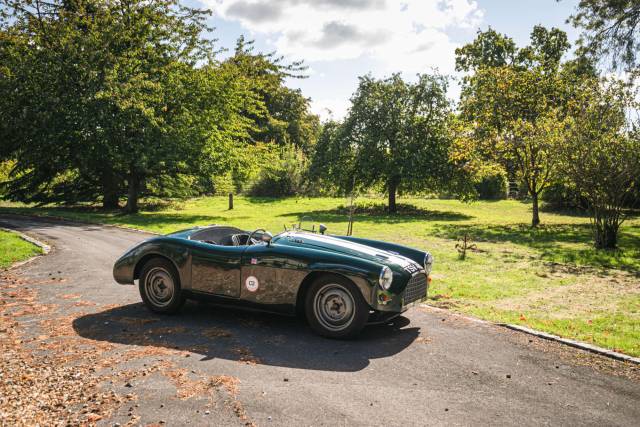
1957 | Turner 803
1957 Turner 803 Ex-Betty Haig
Create search alert
Let yourself be notified as soon as a listing is published that matches your search filters.
Create listing
Do you have a Turner 803 that you want to sell? Then create a listing now.
Create listingTurner 803 Classic Cars: Prices & Market Values
History of the Turner 803
The Turner 803 was launched in the mid-1950s by Jack Turner’s company based in Wolverhampton, UK. Jack Turner, an engineer known for his racing background, created small, sporty cars based on a philosophy of minimising weight and maximising fun. The 803 model, produced from 1954 onwards, was the first significant production model from Turner Sports Cars Ltd. Utilising a tubular steel chassis, the 803 marked Turner’s entry into the burgeoning specialist sports car market of the time, competing with the likes of Lotus and Fairthorpe. The Turner 803 predominantly used running gear from the A-series Austin, reflecting the post-war British tradition of combining light bodies with established mechanicals to achieve spirited performance. Production numbers were low, and many cars were assembled by enthusiasts themselves, giving each surviving 803 a unique personality.
Model history of the Turner 803
Preceded by Turner’s handful of prototype specials, the 803 was the first Turner available for general sale as a kit or completed car. Its name is derived from the 803cc Austin A30 engine and gearbox it utilised. Later models, such as the Turner 950 and the 948 Sports, built on the same principles but with upgrades in engine displacement and chassis refinement. The 803 laid the groundwork for all subsequent Turner models and established the brand’s reputation among grassroots racers and purist drivers. It paved the way for Turner’s further ventures into motorsport, including the later Turner Sports Mk I and Mk II, which each saw improved suspension designs and stronger engines. The Turner 803 itself remains the most basic and lightweight expression of Jack Turner's vision.
Highlights of the Turner 803
The Turner 803 distinguishes itself with a featherweight construction—most bodies were constructed from fibreglass or aluminium, contributing to an impressive power-to-weight ratio, especially for vehicles of the period. Its compact wheelbase, direct rack and pinion steering, and classic open-top layout make it particularly agile and responsive, a sensation that persists in period racing events even today. The engine’s modest output is offset by the lack of unnecessary trim, resulting in superior acceleration and cornering compared with larger, heavier contemporaries. Turner’s home-assembly kit systems allowed buyers to tailor their cars to personal taste or track needs. Each unit was essentially unique, with options for bespoke finishes and custom set-ups, making every 803 visually and mechanically distinct.
According to our database, Turner's 803 is not only the most supplied Turner in the classic car market, it accounts for 100% of all current Turner listings, indicating unrivalled representation compared to other Turner models. Similarly, it leads with 100% of listing views among Turner vehicles, which suggests that interest in the Turner 803 far surpasses any other Turner-produced models in public desire and attention.
Technical data for the Turner 803
Special Editions and Collectible Models
No officially documented factory-sanctioned special editions are known for the Turner 803. However, due to the individual nature of kit assembly, vehicles may exist with rare options such as period racing modifications, unique interior trims, or competition upgrades. Cars with well-documented racing history or unusual period performance parts tend to be regarded as especially noteworthy by Turner enthusiasts.
Weak Spots and Common Issues
Due to the absence of supplied data on typical weaknesses specific to the Turner 803, buyers should focus on general inspection areas common to British fibreglass sports cars of the era. Attention should be paid to chassis integrity (check for rust or past repairs on the tubular frame), condition of fibreglass panels (look for stress cracks or delamination), and proper function of the Austin-derived mechanicals. As many cars were self-assembled and potentially modified, verifying the quality of components and workmanship is crucial. Spare parts availability for Austin A30 running gear remains favourable, but custom Turner body and chassis items require patience and a network within classic Turner communities.
Engine, transmission and handling of the Turner 803
The Turner 803's calling card is its agility. With an 803cc, 28 hp engine propelling less than 600 kg, the 803 could achieve engaging backroad performance, aided by the sharp rack and pinion steering. The Austin-supplied engine and gearbox have a reputation for mechanical simplicity and reliability if maintained properly. The lightweight architecture gives the 803 a lively feel, with crisp turn-in and minimal body roll—the experience is often compared by specialists to early Lotus 7s. Drums on all four corners require careful maintenance to ensure effective stopping power.
Popular 803s often attract attention for period-correct restorations and for participation in historic motorsport events. Their simple construction and widespread running gear make them appealing for enthusiasts looking for a pure, mechanical driving experience.
Popular models:
- Standard Turner 803 (803cc, approx. 28 hp)
- Turner 803 with period motorsport upgrades (enhanced carburetion, uprated drum brakes, etc.) undefined
Interior, Comfort, Exterior and Design of the Turner 803
Turner 803 design is minimalist and strictly functional. Most examples feature simple two- or three-gauge instrument clusters, basic bucket seats, and a spartan dashboard. Interiors were largely dictated by the builder, so you may encounter various levels of trim, steering wheel designs, and even pedal layouts. The two-seater’s exterior is defined by rounded wings, low-profile doors, and an open cockpit. Early 803s used aluminium bodywork, with later variants shifting to fibreglass—low weight always took priority over luxury. No factory hardtop options existed, but period soft-tops or tonneau covers are sometimes seen. Some vehicles feature racing screens, cut-down windscreens or custom roll bars as were used in period club racing. Original paint codes are rare, resulting in a wide palette of colours based on owner preference.
Other noteworthy features
The Turner 803’s kit heritage fosters a sense of individuality not commonly seen in modern vehicles. Each car can vary in technical details and finish, making thorough documentation vital. Owners benefit from an active community of British small sports car clubs, where shared technical knowledge is the norm. Some cars come with period competition history or letters from Jack Turner himself, adding to their historical value and appeal.
Summary
The Turner 803 stands as a cornerstone of British lightweight sports car history, providing hands-on engineering and driving purity for enthusiasts then and now. Its unfussy construction, Austin running gear, and timeless “kit car” ethos ensure that each surviving example is unique and deeply personal. The 803’s market presence, both in supply and demand, is unmatched within the Turner marque, making it the natural focal point for collectors and those passionate about grassroots automotive heritage.