Tesla Roadster Classic Car for Sale
The Tesla Roadster, produced between 2008 and 2012, marked the world’s first series-production, road-legal car powered by lithium-ion batteries. With a range surpassing 200 miles per charge and blistering acceleration, the Roadster ushered in modern electric performance vehicles—and set the tone for Tesla's future.
Search results
Currently, there are no matching listings for your search.
Create search alert
Let yourself be notified as soon as a listing is published that matches your search filters.
Create listing
Do you have a Tesla Roadster that you want to sell? Then create a listing now.
Create listingTesla Roadster listing references from Classic Trader
Below you will find listings related to your search that are no longer available on Classic Trader. Use this information to gain insight into availability, value trends, and current pricing for a "Tesla Roadster" to make a more informed purchasing decision.
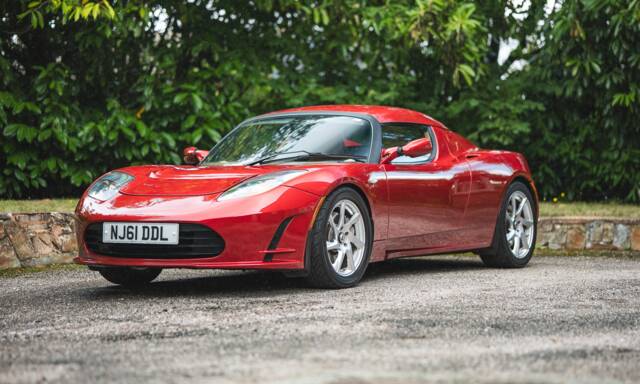
2011 | Tesla Roadster
2011 Tesla Roadster
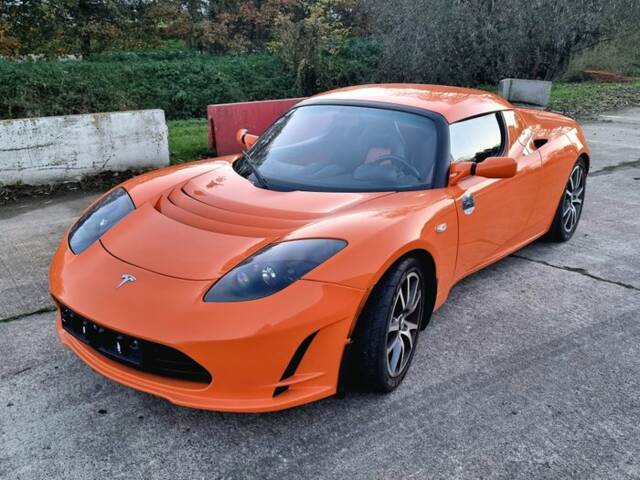
2011 | Tesla Roadster
Tesla - Roadster - 2011
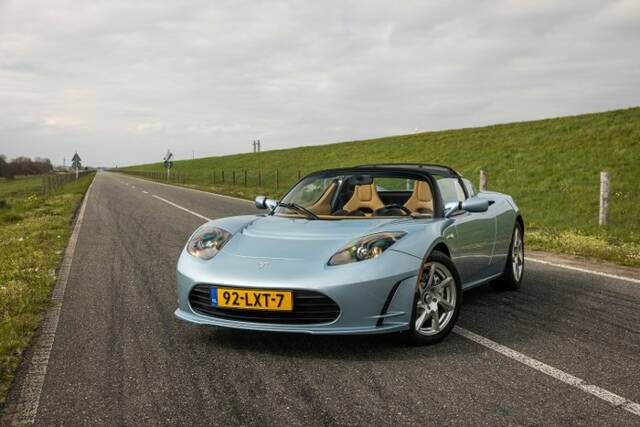
2010 | Tesla Roadster
Tesla - Roadster - 2010
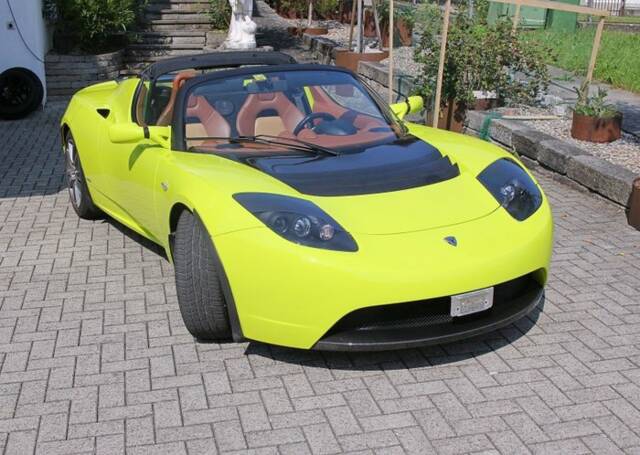
2010 | Tesla Roadster
Tesla - Roadster Sport - 2010
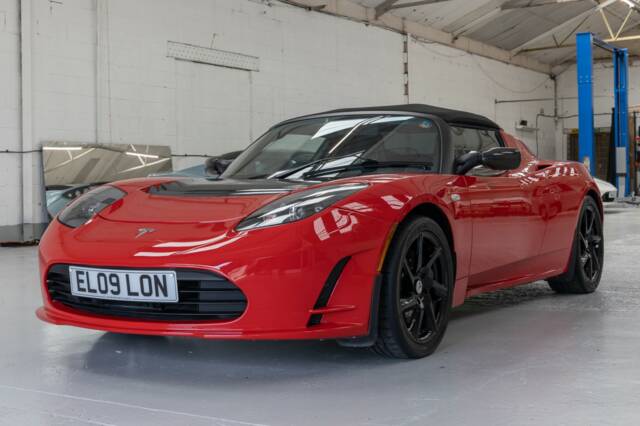
2011 | Tesla Roadster
Rare - Outstanding Condition - Highly Collectable
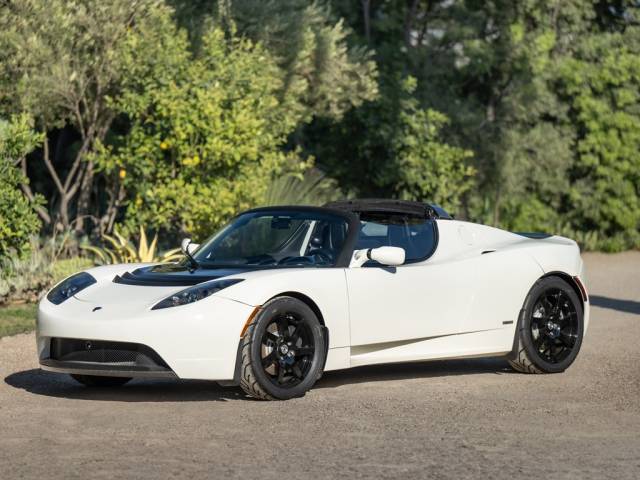
2010 | Tesla Roadster
2010 Tesla Roadster Sport
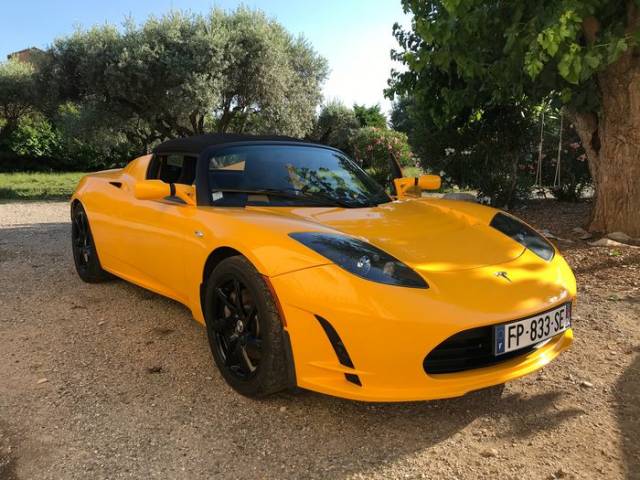
2011 | Tesla Roadster
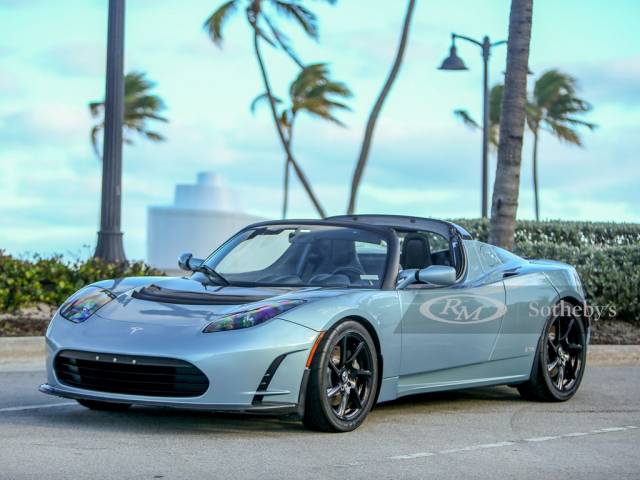
2011 | Tesla Roadster
2011 Tesla R80 3.0 Roadster Sport
Create search alert
Let yourself be notified as soon as a listing is published that matches your search filters.
Create listing
Do you have a Tesla Roadster that you want to sell? Then create a listing now.
Create listingTesla Roadster Classic Cars: Prices & Market Values
History of the Tesla Roadster
Debuting in 2008, the Tesla Roadster emerged as the pioneering effort that introduced high-performance electric sports cars to the mainstream. Tesla developed the Roadster using a modified Lotus Elise chassis, focusing on lightweight construction and agile driving dynamics. Only around 2,450 units were produced through 2012, making every model a milestone in electric vehicle evolution. The Roadster's engineering was revolutionary for its era, being the first serial production vehicle to use lithium-ion batteries for a significant driving range exceeding 200 miles. Its release symbolised the first bold step towards the era of fast, emission-free motoring and started Tesla’s ascension as a significant automotive innovator.
Model History of the Tesla Roadster
The Tesla Roadster was the first series production model from Tesla Motors. Its design adapted the Lotus Elise platform, marrying British sports car handling with state-of-the-art American electric powertrains. The original powertrain featured a 185 kW (248 hp) electric motor and initially used a two-speed gearbox, which was soon replaced with a single-speed BorgWarner unit from late 2008 for better reliability. In 2009, the Roadster Sport variant launched, offering a 215 kW (288 hp) motor and even sharper acceleration. There are no direct predecessors or successors; instead, the Roadster set a template for all Tesla sports models to come and established the spiritual lineage for future Tesla models.
Highlights of the Tesla Roadster
The Tesla Roadster stands out as the world’s first street-legal electric sports car with advanced lithium-ion battery technology. Key highlights include a driving range of over 200 miles (original battery) and up to 340 miles with the upgraded R80 3.0 battery. Lightning-quick 0–60 mph acceleration in under 4 seconds was standard, and the sporty chassis ensured agile cornering. Features like a removable Targa-style soft top, forged alloy wheels, carbon fibre interior trim, and sports seats with strong lateral support show its focus on both performance and style. Many Roadsters came equipped with high-spec entertainment/navigation systems and advanced charging kits.
Technical Data
Special Editions and Collectible Models
A significant version within the Roadster lineup is the Roadster Sport, launched in 2009, which featured increased power output (215 kW/288 hp) and improved acceleration (0–60 mph in 3.7 seconds). Other special edition models were offered with unique exterior colours, exclusive interior trims, or signature plates. These editions typically included enhanced carbon fibre components, bespoke wheel designs, and selective badging, making them particularly sought after by collectors. The Roadster launched into space aboard the Falcon Heavy in 2018 further boosted the model’s profile.
Weak Spots and Common Issues
A key aspect to consider for Roadster buyers is the battery pack. Original lithium-ion units degrade over time, potentially necessitating costly replacements or upgrades—especially as some packs approach end-of-life after more than a decade. Older infotainment systems may lack modern connectivity, and obtaining some replacement parts for the Lotus-derived chassis and trim can be time-consuming. Given its low production numbers, some service components may require bespoke sourcing or Tesla-specific repair facilities.
Engine, Performance, Transmission and Handling
The Roadster set new benchmarks for its class, leveraging instant torque from its electric powertrain for rapid acceleration—achieving 0–60 mph in under 4 seconds in most versions. Its Lotus-based scaffold delivers sharp steering and minimal body roll, making it genuinely agile on winding roads. Power delivery is both linear and relentless, typical for high-performance EVs. Early Roadsters featured a two-speed transmission, though reliability led to the adoption of a BorgWarner single-speed for water-tight consistency and enduring acceleration. - Roadster Sport (215 kW/288 hp, 0–60 mph in 3.7 seconds, upgraded suspension and wheels)
- Original Roadster (185 kW/248 hp, 0–60 mph under 4 seconds)
- Models with R80 3.0 battery upgrades (range up to 340 miles)
Interior, Comfort, Exterior and Design
Marrying a low-slung sports profile with a unique blend of American and British engineering, the Roadster’s design reflects its Lotus Elise DNA. Lightweight composite panels, bespoke colours, and forged five-spoke alloys are common. Carbon fibre accents and deep sports seats characterise the minimalist yet tech-forward cockpit—a MOMO steering wheel, integrated navigation, and premium audio options appear in many specs. Targa-style removable soft tops were standard. Factory accessories such as paint-protective film ('Paint Armor'), heated leather seats with adjustable lumbar support, and custom car covers are typical. Charging hardware—120V/240V cables and proprietary Tesla connectors—were standard equipment, with ClipperCreek TS-70 stations available.
Other Features
Tesla offered extensive factory options, from exclusive exterior finishes to upgraded entertainment systems with iPod/iPhone integration. The Roadster’s manuals, dedicated home or portable charging stations, and unique badging (for limited units) are particularly valued among enthusiasts. Accessories like vehicle covers and factory-supplied booklets complete the package.
Summary
The Tesla Roadster stands as the first chapter in Tesla’s story of performance-oriented electric vehicles. Built in fewer than 2,450 units on a lightweight Lotus platform, it pairs world-leading lithium-ion technology with unmistakably sporty character. Standout acceleration, innovative design, and limited production underpin the Roadster's unique position in automotive history—and continue to drive specialist interest today.