Standard Ten classic cars for sale
The Standard Ten stands as an emblem of British practical engineering, with a model history spanning from 1906 to 1961. Its unique designation reflects its origins in the British tax horsepower system—a direct nod to its position amongst accessible small family saloons. The Ten offers a window into British motoring culture, combining understated styling with everyday usability.
Suchergebnisse
Zur Zeit sind keine passenden Inserate zu Ihrer Suche veröffentlicht.
Create search alert
Let yourself be notified as soon as a listing is published that matches your search filters.
Create listing
Do you have a Standard Ten that you want to sell? Then create a listing now.
Create listingStandard Ten listing references from Classic Trader
Below you will find listings related to your search that are no longer available on Classic Trader. Use this information to gain insight into availability, value trends, and current pricing for a "Standard Ten" to make a more informed purchasing decision.
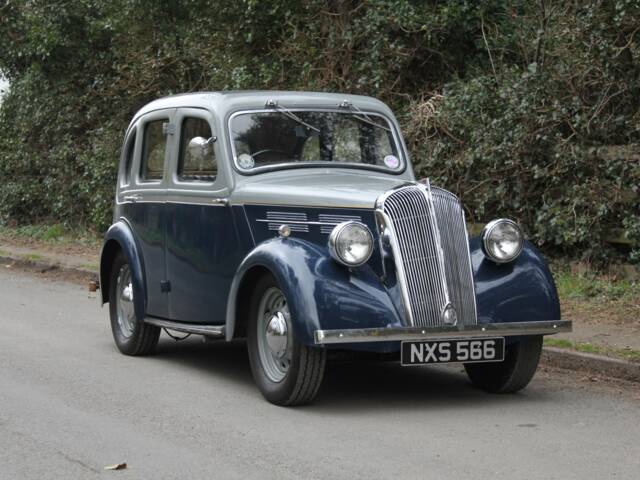
1937 | Standard Flying Ten
1937 Standard Flying Ten
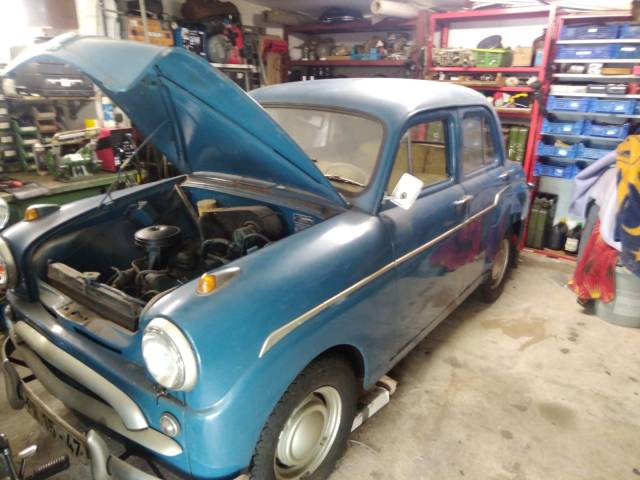
1956 | Standard Ten
Rarity
Create search alert
Let yourself be notified as soon as a listing is published that matches your search filters.
Create listing
Do you have a Standard Ten that you want to sell? Then create a listing now.
Create listingStandard Ten Classic Cars: Prices & Market Values
History of the Standard Ten
Introduced by the Standard Motor Company in 1906, the Standard Ten's name derived from its fiscal or tax horsepower, a British system used to assess car taxation based on engine piston area. The designation 'Ten' quickly outlived its original technical meaning but persisted as a marketing and class-defining label within Standard's range. Across the decades, the Standard Ten evolved with changing tastes and technologies, ultimately ceasing production in 1961. The model not only highlights the shifting expectations of the British middle-class driver but also traces the arc of pre- and post-war automotive developments. The Ten's longevity and adaptability set it apart within the Standard lineup, serving as both family transport and a reliable workhorse during extensive production runs.
Model Range and Evolution
The Standard Ten first emerged in the early 20th century and underwent substantial evolution in successive generations. Originally positioned just above the manufacturer's smaller models—such as the Standard Eight—the Ten enjoyed a significant tenure as the company's core family car, bridging the gap towards larger offerings like the Standard Twelve. Over its decades of production, the Ten saw updates in body styles, powertrain efficiency, and equipment levels. It served as a logical midpoint in Standard’s range and was succeeded by models reflecting contemporary car design and technological demands as the British car market modernised in the 1960s.
Highlights and Features of the Standard Ten
The Standard Ten is a testament to pragmatic engineering: it represents an era when reliable, sensible motoring was highly prized. Its direct tax horsepower nomenclature reflects the stringent British vehicle taxation system—a quirk of motoring history unique to its time. Throughout the various iterations, the Ten retained typical British saloon styling, a conservative yet pleasant driving experience, and straightforward mechanicals for approachable maintenance.
Technical Data
Special Editions and Collectible Models
Though the Standard Ten was primarily delivered as a practical family saloon, some limited-run variants were produced over the years, occasionally with unique trim, body arrangements, or commemorative badging. However, most surviving examples represent the mainstream production models focused on reliable, everyday use.
Engine and Performance, Transmission and Handling
The Standard Ten was engineered for unpretentious, low-cost transportation, meaning that outright speed and sporting credentials were never at the forefront. Instead, the Ten offered dependable motoring suitable for British roads of its era, with a compliant ride and simple, predictable handling. Mechanical simplicity translated to easy home maintenance for the mechanically inclined, a trait much valued among period buyers. Among the most recognised variants are the post-war Standard Ten saloons, equipped with the updated four-cylinder petrol engines and improved gearboxes, which balanced usability and efficiency.
Interior, Comfort, Exterior and Design
Design language across Standard Ten generations was characterised by rational British styling—upright lines, understated grilles, and practical cabin layouts. Material use prioritised durability; cloth seats, simple dashboards, and chrome details featured in most versions. Colour choices reflected British tastes of the time, typically conservative. Accessories and factory options were limited, emphasising affordability over customisation. Distinctive features included the clarity of the instrument panel and the practical boot space relative to overall vehicle size.
Summary
The Standard Ten encapsulates mid-century British automotive thinking—reliability, affordability, and straightforward design gave it an edge for decades and continue to draw interest from enthusiasts seeking a classic saloon reflective of its era. Its unique tax horsepower background and dominance in surviving Standard listings underline its standing within the marque’s historic lineup.