Scarab Mk II classic cars for sale
The Scarab Mk II stands as a unique milestone in motorsport history: a front-engined Formula 1 car built in the USA at a time of rapid technical evolution. With only three units crafted by Reventlow Automobiles Inc., the Mk II became a benchmark of engineering excellence and American ambition at the highest level of racing competition.
Search results
Currently, there are no matching listings for your search.
Create search alert
Let yourself be notified as soon as a listing is published that matches your search filters.
Create listing
Do you have a Scarab Mk II that you want to sell? Then create a listing now.
Create listingScarab Mk II listing references from Classic Trader
Below you will find listings related to your search that are no longer available on Classic Trader. Use this information to gain insight into availability, value trends, and current pricing for a "Scarab Mk II" to make a more informed purchasing decision.
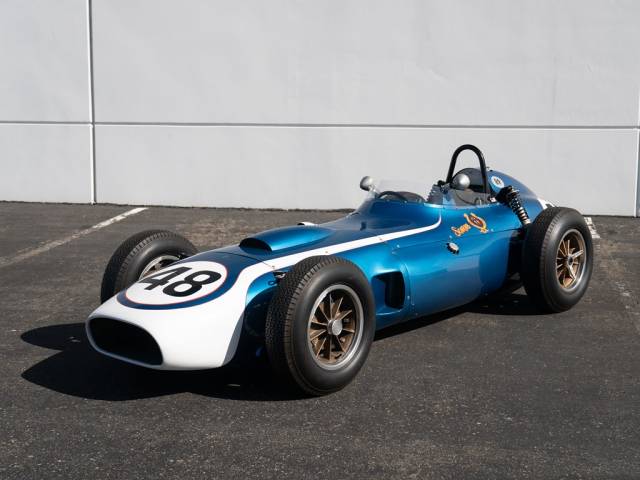
1960 | Scarab Mk II
1960 Scarab Formula 1
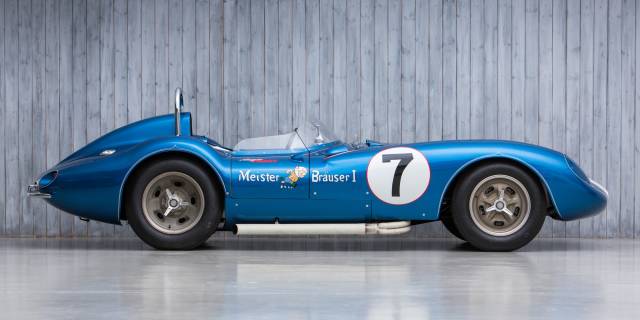
1959 | Scarab Mk II
The Meister Bräuser I Scarab MkII Recreation
Create search alert
Let yourself be notified as soon as a listing is published that matches your search filters.
Create listing
Do you have a Scarab Mk II that you want to sell? Then create a listing now.
Create listingScarab Mk II Classic Cars: Prices & Market Values
History of Scarab Mk II
The Scarab Mk II emerged from the vision of Lance Reventlow, who founded Reventlow Automobiles Inc. in 1957 to challenge the established dominance in international motorsport. Employing some of Southern California’s finest engineers—such as Troutman-Barnes, Phil Remington, and TRACO—the team aimed to compete in the 1959 Formula 1 World Championship with a cutting-edge front-engined Grand Prix car. Built with extraordinary craftsmanship, the Scarab Mk II boasted engineering far ahead of many contemporaries. Despite its technical sophistication, its debut coincided with a major shift to mid-engined cars by rivals like Cooper and Lotus, placing the Scarab Mk II at a disadvantage. The car premiered at the Monaco GP in 1960, piloted by drivers like Lance Reventlow, Stirling Moss, and Chuck Daigh.
Model History
The Mk II was a direct evolution from the earlier Mk I, which already had established itself as the fastest American sports car of its time—outperforming even factory Ferraris on the way to the 1958 SCCA Championship. Only three Mk II Formula 1 cars were built: GP-1, GP-2, and a likely third spare chassis. Driven by names such as Daigh and Reventlow, the Mk II’s competitive life in the Formula 1 World Championship was brief due to the technical revolution towards mid-engined cars. After regulations changed in 1961 for 1.5-litre engines, the Mk II found a second life in the Intercontinental Formula. The engineering expertise and spirit of Scarab influenced later American racing projects, including Shelby American and Chaparral.
Highlights of the Scarab Mk II
The Scarab Mk II combined innovative American engineering with top-quality materials. It was the first American-built Formula 1 car, equipped with a bespoke 2.5-litre Offenhauser-derived engine by Leo Goosen, featuring a DOHC cylinder head and desmodromic valves—rare features in F1 technology of the era. Girling disc brakes were the only non-American-made components. The construction quality was exceptional, earning acclaim even against European competitors.
Technical Data
Special Editions and Rare Models
Among the three chassis built, GP-1 and GP-2 were assigned to the main drivers (Daigh and Reventlow), with a third as a probable spare. All cars, owing to their minute production numbers and individual histories in elite motorsport, are profoundly rare. However, no distinct factory 'special editions' were released.
Weak Spots and Common Issues
Due to the example's complex DOHC engine with desmodromic valve actuation and bespoke fuel injection, maintenance demands specialist expertise and sourcing unique components. The front-engine layout, while a technical marvel at its introduction, may present challenges for finding replacement parts, especially for original Girling disc brakes and Offenhauser-derived engines. A detailed inspection of chassis integrity and originality is crucial, given their historical racing use.
Engine and Performance, Transmission and Handling
The Scarab Mk II was powered by a 2.5-litre engine delivering impressive performance figures for its era, with an advanced spaceframe chassis and front-engine layout. Handling was considered excellent by period standards; however, it struggled to match the agility of new rear/mid-engined rivals upon its Formula 1 debut. Mechanical specification, including advanced fuel injection and large brakes, provided robust track performance. GP-1 (driven by Chuck Daigh at Monaco 1960) and GP-2 (driven by Lance Reventlow) stand out for their race entries and contribution to American F1 heritage.
Interior, Comfort, Exterior and Design
The Scarab Mk II's bodywork was hand-formed to achieve optimal airflow and minimal drag—an art form merging American styling cues with European racing sensibilities. Coachbuilding by specialists like Von Dutch ensured custom paintwork and visual distinction. The interior was strictly functional for racing, with focus on weight saving and ergonomics for fast driver changes. Externally, the car was notable for its striking colour schemes and detailed finishes uncommon in race cars of the time.
Other Features
Historical links tie the Scarab Mk II to the genesis of Shelby American and Chaparral, cementing its influence in the broader narrative of US motorsport engineering. Its later success in vintage racing events like the Goodwood Revival and Monaco Historique underscores its continued relevance and competitiveness.
Summary
The Scarab Mk II represents a bold and highly ambitious American effort to succeed at the pinnacle of international racing during the 1960s. Built to the highest standards by a team of US engineering talent, it stands today as an exceptionally rare artefact of motorsport history, with each example offering a direct link to a transformative era in Formula 1 and American racing culture.