Praga Baby classic cars for sale
The Praga Baby stands out among Czech classics with its blend of pre-war engineering and compact two-seater allure. An authentic representation of Central European automotive history, the Baby captures the spirit of 1930s craftsmanship and design in a format prized by enthusiasts seeking both rarity and character.
Search results
Currently, there are no matching listings for your search.
Create search alert
Let yourself be notified as soon as a listing is published that matches your search filters.
Create listing
Do you have a Praga Baby that you want to sell? Then create a listing now.
Create listingPraga Baby listing references from Classic Trader
Below you will find listings related to your search that are no longer available on Classic Trader. Use this information to gain insight into availability, value trends, and current pricing for a "Praga Baby" to make a more informed purchasing decision.
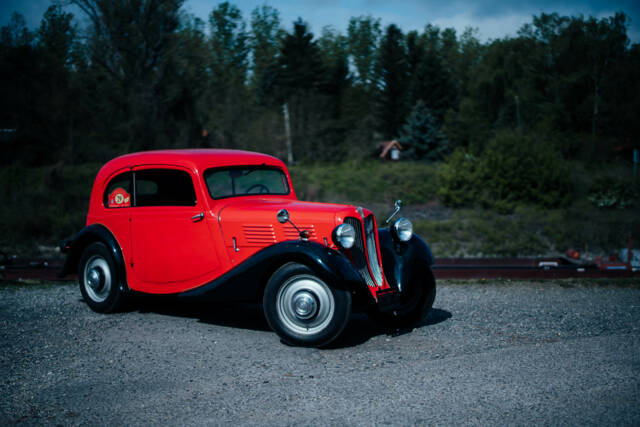
1937 | Praga Baby
Create search alert
Let yourself be notified as soon as a listing is published that matches your search filters.
Create listing
Do you have a Praga Baby that you want to sell? Then create a listing now.
Create listingPraga Baby Classic Cars: Prices & Market Values
History of the Praga Baby
The Praga Baby was introduced in the mid-1930s, during a transformative era for automotive manufacturing in Czechoslovakia. Praga, a brand with a broad industrial background, sought to produce a car fitting the needs of modern city dwellers and middle-class buyers. The Baby was their answer: a compact, lightweight two-seater, conceived to offer reliable urban mobility while remaining affordable. Combining influences drawn from European small car design trends of the time, the Praga Baby reflects both the practicality and the ingenuity of Czech engineering prior to World War II. In an era shaped by rapid industrial development and shifting social needs, the Baby played an important role in making the automobile accessible to a wider audience, solidifying Praga’s reputation in domestic and neighbouring markets.
Model History
The Praga Baby was not preceded by a direct ancestor within the Praga model range; it arrived as the company’s response to emerging demand for smaller, more economical cars in the 1930s. Produced between 1934 and 1937, the Baby distinguished itself from Praga’s larger, more luxurious offerings by adopting a compact form factor, both for easier city usage and lower ownership costs. With production levels limited, the model soon concluded as the political and economic climate of Europe changed approaching the Second World War. Its place remained unique in Praga's lineup until the brand later shifted focus to commercial and military vehicles, making the Baby a rare survivor from Praga's interwar passenger car chapter.
Highlights & Market Popularity
Several factors make the Praga Baby noteworthy: advanced for its time, it utilised a small-displacement, water-cooled engine and offered a streamlined, lightweight chassis. The two-seat body, often open-top, matched continental tastes for nimble, individualistic transport. Today, the Praga Baby stands out as the flagship of the marque’s classic car market, not merely because of its engineering detail but also due to its scarcity and direct association with a vibrant period of Czech motoring.
Technical Data
Special Editions and Collectible Models
While official factory special editions of the Praga Baby are not documented, several surviving vehicles are valued for bespoke bodywork or period-specific customisations carried out by renowned carrozzeria in Central Europe. Some examples feature individually crafted coachwork or rare accessories fitted upon customer request, increasing their desirability among connoisseurs of pre-war Eastern European vehicles.
Weak Spots and Common Issues
Due to the lack of provided specifics, buyers should focus on typical issues found in 1930s-era compact cars: corrosion on chassis and body panels, wear in the simple leaf spring suspension, oil leaks from the ageing engine seals, and difficulty finding replacement original components due to the model’s low production volume. Inferior or overdue electrical wiring maintenance may also cause operational problems. Prospective owners are advised to closely inspect the originality and completeness of mechanical parts, as sourcing authentic replacements can be a challenge.
Engine, Transmission and Handling
Driving the Praga Baby is a hands-on experience typical of interwar European microcars: the small-displacement four-cylinder engine provides adequate propulsive force for urban traffic and secondary roads, but top speeds were modest at the time of release, generally in the 70–80 km/h range. The manual gearbox, combined with rear-wheel-drive and a low kerb weight, leads to agile handling by period standards, despite the basic drum brakes and straightforward leaf spring suspension. The focus of the Praga Baby lay in efficiency and manoeuvrability rather than speed, a reflection of the road conditions and consumer expectations in pre-war Czechoslovakia. Key Praga Baby models of note include early production specimens with original factory open-top bodywork, as well as examples retaining matching-numbers engines and period coachbuilder modifications aligning with 1930s custom practices.
Interior, Comfort, Exterior and Design
The Praga Baby’s design follows functional pre-war principles: a lightweight, narrow two-seat cabin optimised for urban driving, with minimalistic dashboard gauges and durable upholstery materials. Externally, the Baby is marked by softly rounded fenders, a gracefully sloping bonnet, and rear-hinged doors—design features in tune with contemporary European styling. Exposed spare wheels and subtle chrome accents were often included as standard. Some vehicles may feature period-appropriate accessories such as Jaeger instrumentation, fitted luggage racks, or custom paint codes matched to owner preference, making each surviving example uniquely characterful.
Other Relevant Features
The Praga Baby is also appreciated as a reflection of Czechoslovak industrial resilience and design philosophy of the 1930s. The model’s mechanical simplicity not only allowed for easy repair but also adaptation to local needs, with some units converted for light commercial usage or motorsport activities in period club racing events. The car’s understated presence continues to appeal to collectors with a focus on regional automotive history and the unique legacy of the Praga marque.
Summary
The Praga Baby offers an authentic entry point into Czech pre-war motoring. Its engineering, character, and rarity on today’s classic market provide a distinctive appeal for collectors interested in 1930s European automotive heritage. Meticulous attention to originality, mechanics, and historical context turns every restored Praga Baby into a valuable showcase of interwar ingenuity and craftsmanship.