Phebus Tricycle classic cars for sale
The Phebus Tricycle stands as a fascinating glimpse into the pioneering days of motor vehicles, representing a period of transition between human and engine power. With its distinct three-wheel configuration and unique mechanical layout, the Tricycle set the scene for what would eventually become the modern motorcar.
Suchergebnisse
Zur Zeit sind keine passenden Inserate zu Ihrer Suche veröffentlicht.
Create search alert
Let yourself be notified as soon as a listing is published that matches your search filters.
Create listing
Do you have a Phebus Tricycle that you want to sell? Then create a listing now.
Create listingPhebus Tricycle listing references from Classic Trader
Below you will find listings related to your search that are no longer available on Classic Trader. Use this information to gain insight into availability, value trends, and current pricing for a "Phebus Tricycle" to make a more informed purchasing decision.
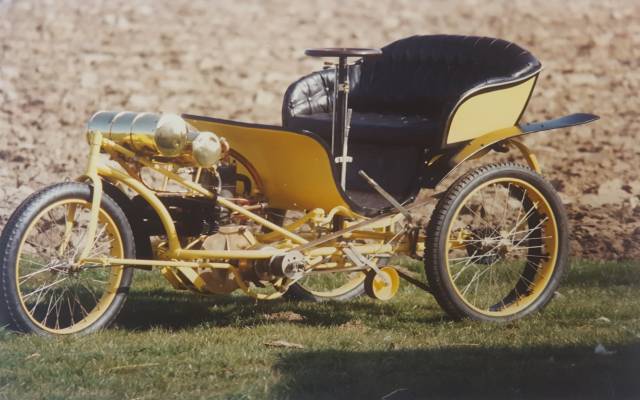
1899 | Phebus Tricycle
Aché Frères
Create search alert
Let yourself be notified as soon as a listing is published that matches your search filters.
Create listing
Do you have a Phebus Tricycle that you want to sell? Then create a listing now.
Create listingPhebus Tricycle Classic Cars: Prices & Market Values
History of the Phebus Tricycle
Phebus, a name significant among early French manufacturers, is closely associated with the innovative phase of automotive history in the late 19th century. The Phebus Tricycle was produced during a time when inventors across Europe experimented with compact, lightweight vehicles powered by small internal combustion engines. Emerging as one of the more refined examples from this era, the Phebus Tricycle encapsulated both the technical curiosity and optimism of its time. These tricycles were designed primarily for urban and semi-urban use, where their lightness and agility set them apart in a world still dominated by horse-drawn carriages and bicycles.
Model History of the Phebus Tricycle
The Phebus Tricycle line exemplified the transition from pedal power to petrol propulsion. Early models were strictly motorised, setting them apart from more common motor-assisted bicycles. There were minimal variations, given the brief and early production period of Phebus Tricycles, and there are no widely recognised predecessors or direct successors to this lineage. Instead, these tricycles exist as a snapshot of experimentation that eventually led to the four-wheeled automobile's dominance.
Highlights of the Phebus Tricycle
The Phebus Tricycle shines for its innovative design and rare mechanical simplicity. Its lightweight frame, compact motor, and rear-wheel drive reflect the experimental spirit of the era. Unlike many early vehicles, the Phebus was built with ease of use and personal transport in mind, filling a niche between the horse-drawn carriage and the more cumbersome first-generation automobiles.
Technical data of the Phebus Tricycle
Special Editions and Collectible Models
There are no officially designated special editions or unique variants of the Phebus Tricycle known from historical records. Most surviving examples are valued for their originality and period-correct features, as the basic model was already produced in very limited numbers.
Engine and Performance, Transmission and Handling
Performance for the Phebus Tricycle was dictated by the constraints of its pioneering engine and chassis configuration. These machines were known for their modest speed, suitable for urban environments of the era, and offered straightforward, chain- or belt-driven transmission. Handling was nimble due to the low weight and direct steering, though comfort was dictated purely by the resilience of the wheels and frame. Braking was rudimentary and calls for cautious driving, especially by modern standards. All currently known Phebus classic vehicles on the market are Tricycles, highlighting the historical significance and mechanical purity of this early motorised vehicle.
Interior, Comfort, Exterior and Design
The Phebus Tricycle was stripped-down by necessity, with a focus on weight-saving and reliability rather than comfort or luxury. Materials tended towards steel tubing, spoked wheels, minimalistic seats, and basic handlebars. Accoutrements were sparse, and each machine often featured subtle hand-built differences due to the small scale of production. Any surviving original parts, such as lamps, levers, or period-correct upholstery, are considered of particular interest to serious collectors.
Summary
The Phebus Tricycle is a quintessential artefact of the dawn of motoring, representing a time when engineering ingenuity met the promise of powered personal travel. Today, these rare tricycles are valued by enthusiasts for their historical importance, transparency in mechanical design, and status as a direct link to the birth of the automobile.