Pegaso Z-102 classic cars for sale
The Pegaso Z-102 stands out as one of the most advanced and ambitious sports cars of the 1950s, with impressive engineering by Wifredo Ricart, remarkable technical innovation, and custom bodies from some of Europe’s greatest coachbuilders.
Suchergebnisse
Zur Zeit sind keine passenden Inserate zu Ihrer Suche veröffentlicht.
Create search alert
Let yourself be notified as soon as a listing is published that matches your search filters.
Create listing
Do you have a Pegaso Z-102 that you want to sell? Then create a listing now.
Create listingPegaso Z-102 listing references from Classic Trader
Below you will find listings related to your search that are no longer available on Classic Trader. Use this information to gain insight into availability, value trends, and current pricing for a "Pegaso Z-102" to make a more informed purchasing decision.
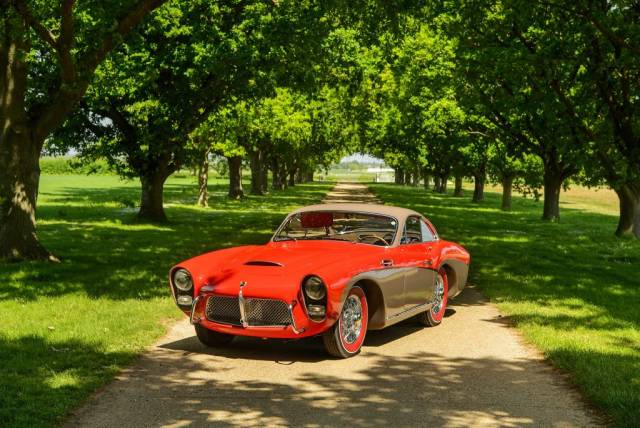
1955 | Pegaso Z-102 Berlinetta Coupe Panoramica
1955 Pegaso Tipo Z-102B 2.8 Saoutchik Coupe Speciale
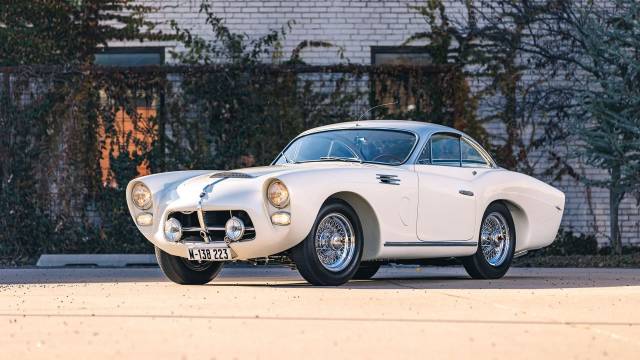
1954 | Pegaso Z-102 Berlinetta Coupe Panoramica
1954 Pegaso Z-102 Saoutchik Berlinetta Series II
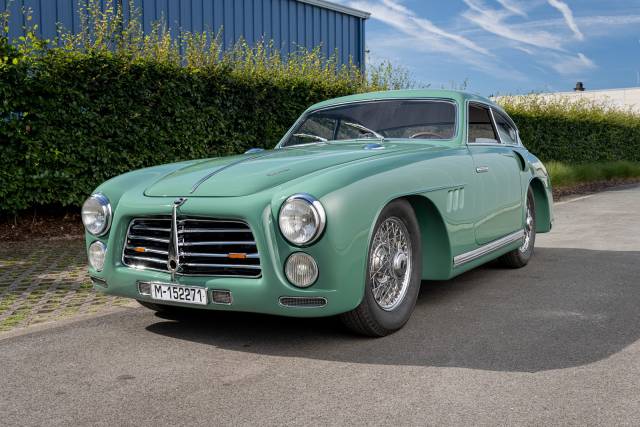
1951 | Pegaso Z-102
Pegaso Z-102 Berlinetta coupe ENASA
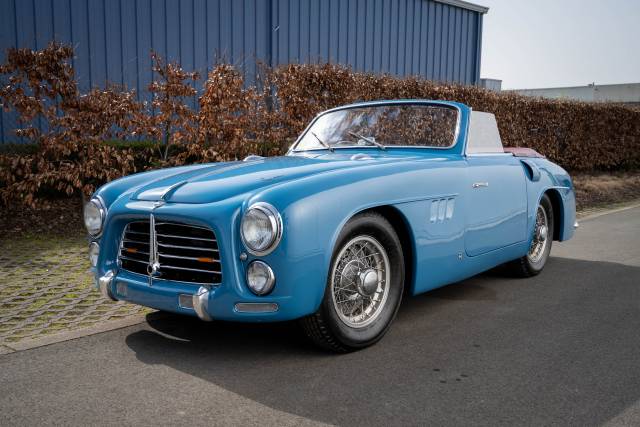
1955 | Pegaso Z-102
1955 Pegaso Z-102 2.8-Litre Cabriolet
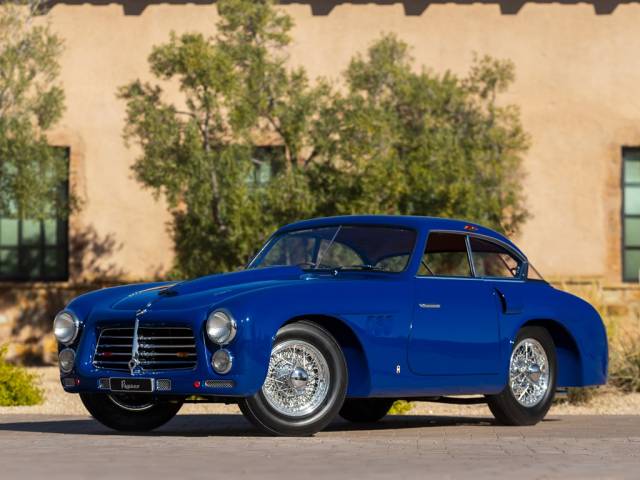
1952 | Pegaso Z-102 Berlinetta Coupe Panoramica
1952 Pegaso Z-102 Berlinetta by ENASA
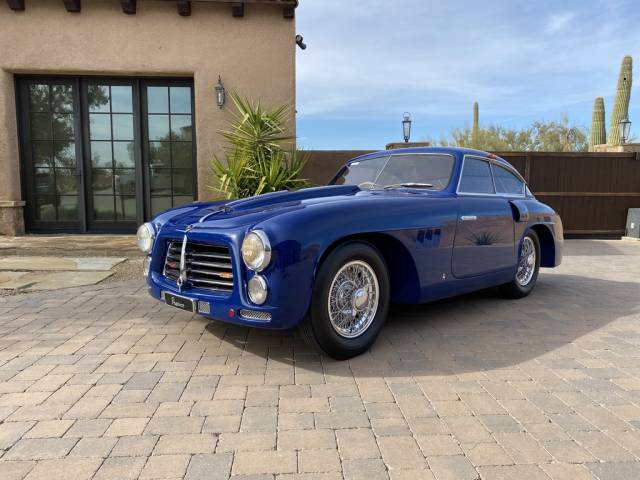
1951 | Pegaso Z-102
Enasa Berlinetta
Create search alert
Let yourself be notified as soon as a listing is published that matches your search filters.
Create listing
Do you have a Pegaso Z-102 that you want to sell? Then create a listing now.
Create listingPegaso Z-102 Classic Cars: Prices & Market Values
History of the Pegaso Z-102
The Pegaso Z-102 was developed in Spain from 1951 to 1958 by the state-owned company ENASA, otherwise known for commercial vehicles. Under the guidance of Wifredo Ricart, an engineer famous for his innovative Alfa Romeo Tipo 512 GP design, Pegaso aimed to demonstrate Spain’s post-war engineering capability. The Z-102 was conceived on racing principles, featuring a highly advanced V8 engine, a tubular steel chassis, and engineering solutions more at home on the track than on the road. Initial prototypes were entirely built in the La Sagrera Hispano-Suiza plant in Barcelona. Debuted at the 1951 Paris Motor Show, the Z-102 immediately attracted attention for its radical construction and speed, including setting a top speed record of 241.6 km/h (150 mph) in 1953 at Jabbeke, Belgium. Despite its potential, the Z-102 struggled to make a major impact in motorsport and placed financial strain on Pegaso, which eventually ceased production in 1958 after only 83 chassis were constructed.
Model History of the Z-102
As Spain’s first new flagship after WWII, the Z-102 set out as a grand tourer with real racing intentions. No direct predecessor existed—the Z-102 was a clean-sheet design, asserting Spain’s capabilities on the global stage. Due to development costs and technical ambitions, only a handful of cars were produced, making each Z-102 unique. The model gave rise to an attempted successor, the simplified Z-103, but only prototypes of it were completed before Pegaso withdrew from sports car manufacturing in 1958.
Highlights of the Pegaso Z-102
Key features of the Z-102 include its all-alloy quad-cam V8, advanced chassis, and bespoke bodies from renowned European coachbuilders like Saoutchik (Paris), Carrozzeria Touring (Milan), Serra (Barcelona), and Pegaso’s own workshop. The car was available as coupé (Berlinetta), cabriolet, and spider, with the most striking examples coming from Saoutchik’s flamboyant Parisian studio and Touring Superleggera’s elegant ‘Superleggera’ constructions. The technical specification matched or exceeded sports cars from Ferrari, Aston Martin, or Mercedes-Benz of the period. Prominent owners included the Shah of Persia and President Craveiro Lopes of Portugal, giving the Z-102 considerable cachet. The nickname "Spanish Ferrari" reflects its ambition and performance.
Technical Data
Special Editions and Collectible Models
Among the 83 Z-102 chassis built, several were individually coachbuilt and each has its own distinctive traits and rarity. Saoutchik produced 18 bodies, including seven Series II Berlinettas and several Spyders distinguished by extravagant chrome and flamboyant lines—a handful surviving today. Touring Superleggera’s Berlinetta and Spider bodies are valued for both their engineering and elegance—these are especially rare and highly prized among connoisseurs. Two open Touring Spiders competed at Le Mans in 1953, while a supercharged Z-102 set a world speed record for production cars. Accessories like leopard fur seats and gold-plated controls were available by special order, further marking out the Z-102 as a car for individualists.
Weak Spots and Common Issues
Due to the advanced and complex engineering, Z-102s can be challenging to maintain. The highly stressed V8 engines require knowledgeable specialists for overhaul, including expertise in quad-cam timing, dry sump lubrication, and over-square V8 construction. Sourcing original body panels, aluminium details, and period accessories is difficult, given the low production numbers. Prospective owners should inspect for chassis fatigue, gearbox synchronisation issues (first gear is not synchronised), and check the condition of unique inboard brakes and suspension components, all of which may require custom fabrication.
Engine and Performance, Transmission and Handling
The Z-102 delivered thrilling on-road and track performance, with outputs from 165 to 195 hp in naturally aspirated cars and the ability to exceed 240 km/h in supercharged variants—placing it at the very top of the 1950s sports car league. Despite this, the Z-102’s handling was demanding: steering required effort, and the sophisticated transaxle setup created unique driving characteristics unfamiliar to most drivers of the era. Alle Räder waren an Torsionsstäben gefedert, und die De-Dion-Hinterachse bot bessere Roadeigenschaften unter hoher Last als viele Konkurrenten. Cars bodied by Saoutchik exhibited substantial presence, while Touring-bodied cars delivered a more refined drive. The most notable examples are Saoutchik Berlinettas, famous for their flamboyant styling, and Touring Superleggera Berlinettas and Spiders, which were both the most expensive and elegant. The rare supercharged car that set the 1953 Jabbeke speed record is the most extreme technical variant of the series.
Interior, Comfort, Exterior and Design
The Z-102’s visual drama was a result of collaboration with preeminent design houses. Saoutchik’s Berlinettas are instantly recognisable for their swooping arches and daring use of chrome and contrasting trim, while Touring’s interpretations were more restrained and made extensive use of the superleggera technique, allowing for lighter weight and tauter lines. Interiors could be specified with wild options including leopard fur upholstery and gold-plated controls, a reflection of the bespoke nature of these cars. Pegaso’s trademark flying horse emblems, lavish use of aluminium, and innovative structural details set the Z-102 apart from both its Spanish and international rivals.
Other Features
The Pegaso Z-102 was an ambassador for Spanish engineering, exhibited at major international shows in Paris and Barcelona. Its exclusivity was heightened by celebrity ownership and a very brief production run. Motorsport efforts included entries at Le Mans and the Carrera Panamericana, though car reliability sometimes limited success.
Summary
The Pegaso Z-102 remains a unique expression of 1950s sports car ambition, combining uncompromised engineering, bespoke design, and a touch of showmanship seldom seen in European automotive history. Each car offers a singular experience, rooted in Spanish craftsmanship and technical audacity.