- Car
- Panhard & Levassor
- Panhard & Levassor 16 HP (0 offers)
Panhard & Levassor 16 HP classic cars for sale
The Panhard & Levassor 16 HP stands as a milestone in early automotive engineering, combining a powerful 4-cylinder engine, outstanding reliability for its era, and innovative features like the Système Panhard and 4-speed transmission. Lovingly built around 1902, this French veteran is renowned for its mechanical ingenuity and suitability for historic touring events.
Search results
Currently, there are no matching listings for your search.
Create search alert
Let yourself be notified as soon as a listing is published that matches your search filters.
Create listing
Do you have a Panhard & Levassor 16 HP that you want to sell? Then create a listing now.
Create listingPanhard & Levassor 16 HP listing references from Classic Trader
Below you will find listings related to your search that are no longer available on Classic Trader. Use this information to gain insight into availability, value trends, and current pricing for a "Panhard & Levassor 16 HP" to make a more informed purchasing decision.
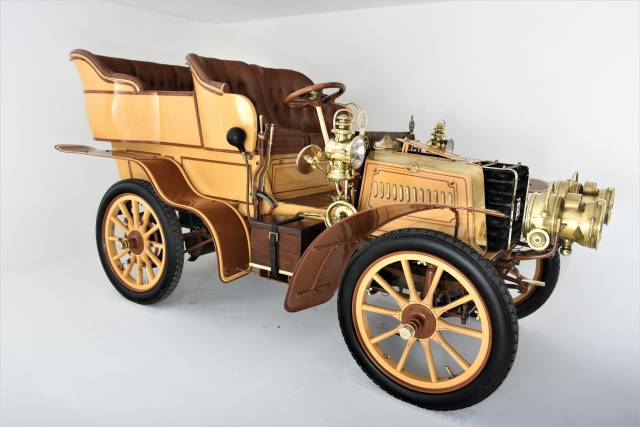
1902 | Panhard & Levassor 16 HP
Fully restored

Create search alert
Let yourself be notified as soon as a listing is published that matches your search filters.
Create listing
Do you have a Panhard & Levassor 16 HP that you want to sell? Then create a listing now.
Create listingPanhard & Levassor 16 HP Classic Cars: Prices & Market Values
History and Introduction of the Panhard & Levassor 16 HP
Panhard & Levassor, one of the true pioneers of the French automobile industry, brought to market the 16 HP model (also known as 16 CV) at the very end of the 19th century. First introduced in 1899 with the Phénix engine and later equipped from 1901 with the Centaure engine, the 16 HP became synonymous with robust power and reliability. The car quickly distinguished itself through technical breakthroughs such as the use of a front-mounted engine and rear-wheel drive (the celebrated Système Panhard), innovations in valve technology, and the early adoption of a steering wheel and four-speed manual transmission. Production continued until about 1903, with about 153 units featuring the 4,072 cc engine being built. Immediately recognisable for its tonneau body with rear entrance and seating for five, the model marked a move towards more practical and drivable motor vehicles, paving the way for future advancements in car design.
Model Series History
The model lineage began with the initial 16 CV, equipped with the Phénix engine, before being upgraded to the Centaure motor after 1901. The Panhard & Levassor 16 HP replaced various less powerful predecessors, and was itself succeeded by even more advanced models as the marque continued to push the boundaries of automotive engineering in the pre-WWI era. Each successive model retained the hallmark innovative character, often serving as a testbed for new automotive concepts such as improved ignition systems, cooling, and refined bodywork. The 16 HP momentarily represented the pinnacle of Panhard’s lineup before newer, more powerful vehicles took its place in the later Edwardian period.
Highlights of the Panhard & Levassor 16 HP
The 16 HP boasted a 4-cylinder engine cast in pairs for better balance and durability—an advanced feature for its time. Notable mechanical advancements included atmospheric inlet valves combined with mechanical exhaust valves, plus an early adoption of an electric starter on later and restored vehicles. Its reputation grew due to its pioneering role in integrating the Système Panhard and improvements such as four-speed manual transmission and advanced pedal layout. The robust construction, steady road holding, and ability to comfortably carry five passengers on its wooden frame with metal cladding contributed further to its fame. Accessories such as Dubrelle oilers, Ducellier brass acetylene lamps, and numerous period trimmings are commonly found on well-preserved examples.
Technical Data
Special Editions and Rare Models
Gold-standards among collectors are vehicles retaining original components such as Dubrelle oilers, Ducellier lighting, and period accessories. Although not formally labelled as special editions, cars with original coachwork, as well as those restored with period-correct upgrades (for example, enhanced ignition or improved braking), are particularly sought-after by historic rally participants.
Weak Spots and Common Issues
Due to their pioneering era of manufacture, the 16 HP models require specialised knowledge for proper maintenance. Oil circulation systems and the mechanical valve gear need regular inspection, and wooden chassis with metal cladding must be checked for rot and corrosion. The transmission and period braking systems, while innovative for their day, benefit from careful adjustment. Genuine spare parts are rare, but well-restored vehicles are often upgraded with subtle improvements for safety and regular use in historic rallies.
Engine and Performance, Transmission and Handling
The 4,072 cm³ four-cylinder engine delivers between 16 and 20 HP and is paired with a four-speed manual gearbox, driving the rear wheels in accordance with the Système Panhard layout. The driving experience is marked by impressive torque, strong climbing ability, and the stability provided by the advanced chassis design. Braking was ahead of most competitors from the same era, and expertly set-up examples can maintain reliable travel speeds above 60 km/h, making the 16 HP suitable not only for display, but also for participation in long-distance veteran car tours. - Panhard & Levassor 16 HP Centaure (4-cylinder, 4,072 cm³, c. 1902)
- Notable for four-speed gearbox, impressive mechanical reliability, and advanced safety features for its time
Design, Interior and Exterior
The 16 HP is instantly identifiable by its rear-entry tonneau body, often fabricated from wood and finished with metal panels. Genuine examples feature period-correct details such as brass Dubrelle oilers, Ducellier acetylene headlights, delicate brass mirrors, and distinctively shaped horns. Cabins were relatively capacious for the time, typically accommodating five occupants. The simplistic but functional arrangement of controls, along with bespoke trimmings, reflected the company's drive toward comfort and usability. Many cars feature accessories like covered lighting and roof guards for longer tours, and some have unique bodywork contracts from renowned Parisian coachbuilders, further adding to their individuality.
Other Relevant Features
Many surviving Panhard & Levassor 16 HP models serve as ambassadors for early French automotive ingenuity at historic rallies and exhibitions, often featuring subtle modernisation such as updated starting or improved carburation for enhanced reliability. The model's suitability for regular touring and public events underscores the robustness of its original design, especially when complemented by discreet contemporary upgrades.
Summary
The Panhard & Levassor 16 HP exemplifies early 20th-century motoring at its most advanced, uniting robust engineering, innovative features, and impressive touring capabilities. Representing 100% of current supply and demand within its segment, it is a mainstay for serious veteran car enthusiasts—especially those drawn by authenticity, technical curiosity, and rally-readiness. Its combination of historical importance, mechanical quality, and period charm ensures its continued relevance among discerning collectors of early French automobiles.