- Automobil
- Panhard & Levassor
- Panhard & Levassor 10 CV (0 Angebote)
Panhard & Levassor 10 CV classic cars for sale
The Panhard & Levassor 10 CV stands out for its role in pioneering early motoring, featuring engineering advancements that shaped the automotive landscape of its era. Collectors and enthusiasts value its distinct place in automotive history, mechanical ingenuity, and unmistakable vintage aesthetics.
Suchergebnisse
Zur Zeit sind keine passenden Inserate zu Ihrer Suche veröffentlicht.
Create search alert
Let yourself be notified as soon as a listing is published that matches your search filters.
Create listing
Do you have a Panhard & Levassor 10 CV that you want to sell? Then create a listing now.
Create listingPanhard & Levassor 10 CV listing references from Classic Trader
Below you will find listings related to your search that are no longer available on Classic Trader. Use this information to gain insight into availability, value trends, and current pricing for a "Panhard & Levassor 10 CV" to make a more informed purchasing decision.
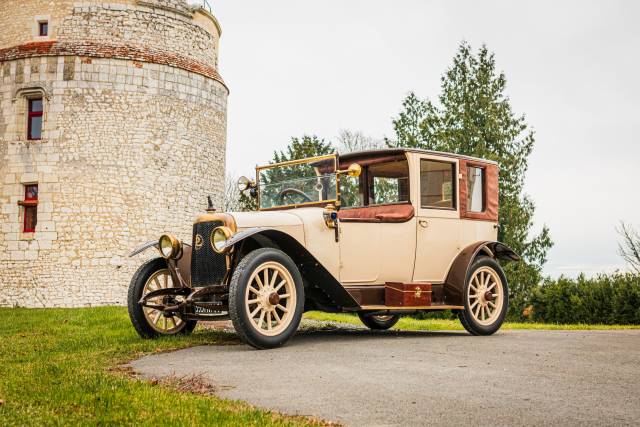
1919 | Panhard & Levassor 10 CV
Panhard-Levassor X31 Coupé Chauffeur Rigier - État concours - Garantie
Create search alert
Let yourself be notified as soon as a listing is published that matches your search filters.
Create listing
Do you have a Panhard & Levassor 10 CV that you want to sell? Then create a listing now.
Create listingPanhard & Levassor 10 CV Classic Cars: Prices & Market Values
History of the Panhard & Levassor 10 CV
The Panhard & Levassor 10 CV was produced at a time when the French company was setting global standards for innovation in the automotive industry. As one of the most prominent early car manufacturers, Panhard & Levassor laid the foundations for the modern car with features like front-mounted engines and rear-wheel drive. The 10 CV model derived its name from the French fiscal horsepower classification, positioning it firmly in the upper-middle segment for its period. The model played a key role in cementing Panhard & Levassor’s reputation as a leader in robust, forward-thinking automobiles that prioritised both functionality and advancement.
Model History of the 10 CV Series
In the context of Panhard & Levassor’s line-up, the 10 CV was positioned as an advanced and capable touring car building on the marque's experience with earlier models such as the 6 CV and 8 CV. After the 10 CV, Panhard continued to develop increasingly sophisticated vehicles, with successors introducing further refinements in both mechanical layout and chassis design, maintaining the company's reputation for quality and innovation.
Highlights of the Panhard & Levassor 10 CV
The 10 CV is especially notable for its advanced engineering for the time, including robust four-cylinder engines and innovative chassis construction that delivered a surprisingly high level of comfort and stability for early motorists. Panhard & Levassor was among the first to introduce a front-engine, rear-wheel-drive layout that would become standard throughout the industry.
Technical Data
Special Editions and Collectible Models
Special or limited editions of the Panhard & Levassor 10 CV are rare, and few factory records remain detailing bespoke builds. Some vehicles were coachbuilt to order, featuring unique bodies or luxurious interiors crafted by renowned artisans of the era, making certain survivors highly prized within specialist circles.
Weak Spots and Common Issues
Due to the advanced age of all surviving 10 CVs, components such as the wooden frame, early electrical systems, and engine internals commonly require attention. Replacement parts can be difficult to source, so maintenance demands both mechanical skill and a robust supply network for period-correct components. Lubrication systems of the era require regular inspection to avoid premature wear.
Engine, Performance, Transmission and Handling
The Panhard & Levassor 10 CV was respected for its time for providing dependable power and flexibility, ideal for both city driving and longer expeditions. The engine, combined with early manual transmissions, delivered smooth acceleration and robust torque. While not designed for sporting performance, the chassis layout was engineered for lasting reliability and relatively refined handling, given 1920s road conditions. The most interesting 10 CV models often feature open or coachbuilt bodies, frequently with custom touches from contemporary artisans. Earlier variants with authentic period fittings and mechanical originality are especially desirable for those seeking mechanical authenticity and historical relevance.
Interior, Comfort, Exterior and Design
Early Panhard & Levassor vehicles, including the 10 CV, are marked by a distinctive upright radiator and a strong but simple body style. Interiors were typically outfitted with quality woodwork and comfortable seating for their era, sometimes enhanced by custom coachbuilds with special leathers or fabrics. Accessories might include period lighting, unique dashboards, and bespoke luggage options. Surviving vehicles today often feature restored or preserved interior details that showcase early motoring luxury.
Other Notable Features
Several 10 CV vehicles were produced in collaboration with European coachbuilders, resulting in one-of-a-kind bodies. These collaborations can yield rare examples with unusual design attributes or historical provenance, adding to the appeal and complexity of the surviving vehicles.
Summary
The Panhard & Levassor 10 CV occupies a crucial chapter in automotive history, representing both the early adoption of vital automobile technologies and remarkable coachbuilding artistry of the time. With all currently offered Panhard models on the market falling under the 10 CV designation, the model remains a focal point for enthusiasts seeking original engineering and craftsmanship typical of pioneering French motoring.