Osella PA6 classic cars for sale
The Osella PA6 is a Group 6 sports prototype built to push the limits on the most demanding race circuits and hillclimb events between 1978 and 1982. Known for its versatile powertrains and successful stints in international competition, the PA6 is the defining Osella for racing purists.
Search results
Currently, there are no matching listings for your search.
Create search alert
Let yourself be notified as soon as a listing is published that matches your search filters.
Create listing
Do you have a Osella PA6 that you want to sell? Then create a listing now.
Create listingOsella PA6 listing references from Classic Trader
Below you will find listings related to your search that are no longer available on Classic Trader. Use this information to gain insight into availability, value trends, and current pricing for a "Osella PA6" to make a more informed purchasing decision.
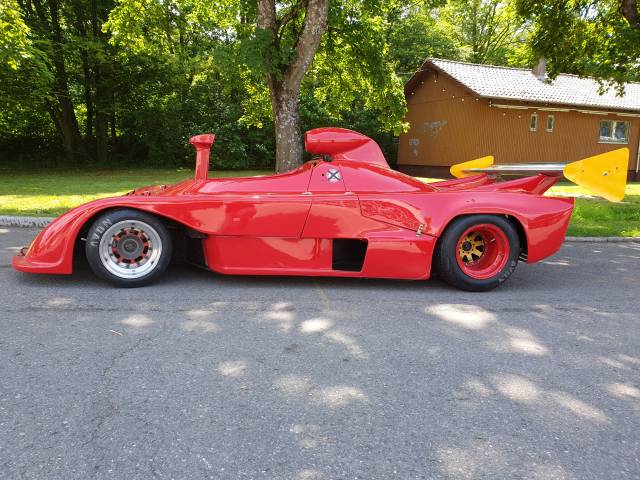
1978 | Osella PA6
Osella PA6 (Ex Heinz Wengert)
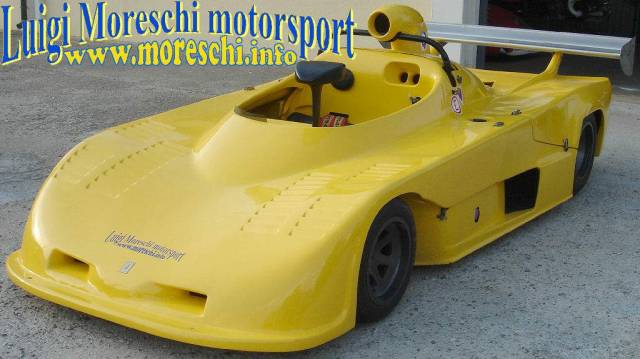
1978 | Osella PA6
BMW M12/7
Create search alert
Let yourself be notified as soon as a listing is published that matches your search filters.
Create listing
Do you have a Osella PA6 that you want to sell? Then create a listing now.
Create listingOsella PA6 Classic Cars: Prices & Market Values
History of the Osella PA6
Osella introduced the PA6 specifically for Group 6 prototype racing during the late 1970s, targeting World Sportscar Championship events. The chassis made its debut in 1978, at a time when endurance and adaptability were crucial for success in motorsport. Osella's development approach allowed for the use of several top-tier 2.0-litre engines, securing the car's competitive edge on both sprint circuits and winding hillclimbs. As international regulations shifted, the PA6 transitioned from the World Sportscar Championship to carve out a formidable presence in hillclimb races, a testament to its robust engineering and versatility.
Model History – Evolution, Predecessor and Successor
The PA6 followed in the footsteps of earlier Osella prototypes but refined their approach for the newly formed Group 6 ruleset. After the PA6, Osella continued the evolution with the PA7, which shared much of its DNA but incorporated advancements learned from the PA6’s campaign. While the PA6 was itself an outgrowth of the pragmatic, motorsport-focused spirit of Osella, it strongly influenced later models and maintained competitiveness for years, both on circuit and mountain. Today, the PA6 stands as a transitional car that bridged earlier prototypes and the later, more specialised Osellas.
Highlights of the Osella PA6
The PA6's motorsport pedigree is underlined by its adaptability to different powerful engines, including the BMW M12/7 and Cosworth BDG, as well as Cosworth's famed FVA unit. Built around a lightweight and rigid chassis, the PA6 delivered a balance of handling and speed sought by privateer and professional teams. Its versatility was proven not only on high-speed tracks but also in rigorous hillclimb events post-retirement from sports car racing.
Technical Data
Special Editions and Collectible Models
The PA6’s racing career involves chassis built for specific customer or team requirements, sometimes with factory support for international campaigns. While there were no strictly limited factory series, notable PA6 cars often built their renown through success in either circuit racing or hillclimbs, sometimes with distinct livery or team upgrades.
Weak Spots and Common Issues
No specific weak spots are documented in current sources. However, as with all historic racing machines, thorough attention must be paid to chassis integrity, suspension wear, and engine maintenance—especially due to the varied powerplants used. Sourcing period-correct mechanical components and ensuring compliance with modern safety standards are crucial for continued use on track or in competition.
Engine, Transmission and Handling
The performance of the Osella PA6 was defined by its mid-mounted, naturally aspirated engine configuration, often tuned for maximum output in the 2.0-litre class. The space-frame construction and low weight yielded nimble, responsive handling, and adjustable suspensions helped adapt the PA6 to both smooth circuits and the punishing gradients of hillclimb courses. Gearboxes were typically matched to engine choice, allowing for optimal gearing on each event. Among PA6s, chassis with documented race history and those fitted with the BMW M12/7 engine are particularly notable, as these combinations achieved strong results in period.
Interior, Comfort, Exterior and Design
Design was focused solely on competitive advantage: lightweight aluminium bodywork, aerodynamically contoured for maximum efficiency, with exposed wheels ahead of the cockpit. The interiors were spartan, prioritising ergonomics for the driver, quick instrument readability, and ease of access for rapid changes. The PA6's overall proportions and visual language broadcasted its purpose-built racing heritage. Distinctive liveries, team decals, and custom sponsor paint schemes are common among surviving chassis, giving each example unique visual character.
Other Features
Many PA6s, after the close of their circuit racing days, underwent conversion or upgrades for hillclimb events, sometimes with updated safety cells or mechanical improvements. Their chassis can often be found with non-original powerplants, reflecting the adaptable modular nature of Osella's design philosophy.
Summary
The Osella PA6 represents a high point in 1970s and early 1980s prototype racing technology, with every example engineered to suit the top echelons of international sports car competition. It defines Osella's presence among historic racing machinery, dominating both Classic Trader’s listings and search demand for the marque—a unique, specialised machine for seasoned collectors and track-focused enthusiasts alike.