Nissan Laurel classic cars for sale
The Nissan Laurel stands as Nissan’s answer to luxury and sporty saloons from 1968 to 2002, combining refined comfort with proven Skyline mechanicals and technology. This range was available as both two- and four-door cars, appealing to drivers desiring a higher standard of finish without sacrificing performance. Discover more about the Laurel’s fascinating journey below.
Suchergebnisse
Zur Zeit sind keine passenden Inserate zu Ihrer Suche veröffentlicht.
Create search alert
Let yourself be notified as soon as a listing is published that matches your search filters.
Create listing
Do you have a Nissan Laurel that you want to sell? Then create a listing now.
Create listingNissan Laurel listing references from Classic Trader
Below you will find listings related to your search that are no longer available on Classic Trader. Use this information to gain insight into availability, value trends, and current pricing for a "Nissan Laurel" to make a more informed purchasing decision.
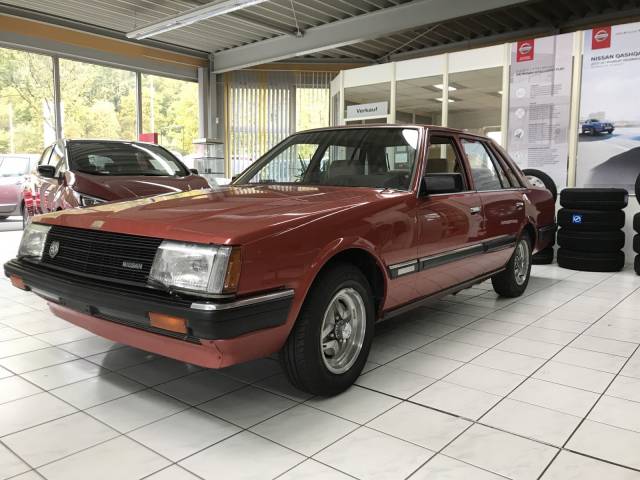
1984 | Nissan Laurel
Nissan/Datsun Laurel 2.4 aus 1. Hand
Create search alert
Let yourself be notified as soon as a listing is published that matches your search filters.
Create listing
Do you have a Nissan Laurel that you want to sell? Then create a listing now.
Create listingNissan Laurel Classic Cars: Prices & Market Values
History of the Nissan Laurel
Unveiled in 1968, the Nissan Laurel marked Nissan’s entry into the premium mid-size segment. Designed to sit above the Datsun Bluebird, the Laurel adopted many elements from the more luxurious Nissan Gloria but on a slightly shorter wheelbase for improved agility. What truly set the Laurel apart was its ongoing relationship with the Nissan Skyline series—borrowing not just engines, but also handling characteristics. Over the decades, the Laurel expanded its appeal, introducing innovations such as all-wheel drive and turbocharged engines in later generations, cementing its status as a sophisticated yet understated choice within Nissan’s model line-up.
Model History
The Laurel series began in 1968 and saw numerous generations until 2002, with each release reflecting current trends in technology and design. Continuing through multiple body styles, including two- and four-door saloons, it always stood as the luxury alternative to the Skyline, often sharing platforms and key mechanical components. Early Laurels focused on refinement and ride comfort, while the later models embraced advancements like all-wheel-drive and forced induction turbochargers. As the model evolved, it maintained steady links to the Skyline, and no direct successor continued the Laurel name after production ceased.
Highlights and Standout Features
Throughout its production, the Laurel distinguished itself by consistently offering a blend of luxury features and sporty engineering inherited from the Skyline. This approach brought forth vehicles with extended wheelbases for added comfort, high-quality interior finishes, and technologies often reserved for higher tiers. Later introductions of turbo engines and AWD made select Laurels even more appealing to drivers seeking discreet but capable saloons. Notably, the Laurel’s continuous alignment with Skyline innovations resulted in a unique legacy among Japanese classics.
Technical Data
Special Editions and Collectible Models
Over the years, several Laurel variants stood out either for their limited availability or unique features. Some turbocharged versions, especially those equipped with all-wheel drive, are particularly prized among enthusiasts. While certain market-specific trims or commemorative releases may exist, typically Japanese Domestic Market (JDM) Laurels with performance enhancements and advanced equipment are the most sought after in collector circles.
Weak Spots and Common Issues
Laurel models are known for their mechanical integrity, owed in part to their relationship with the robust Skyline range. However, as with many classic cars, potential buyers should closely inspect for corrosion, especially on older models, and ensure that all electrical components are functioning correctly. Later turbo and AWD models require special attention regarding drivetrain maintenance and turbocharger condition.
Engine, Performance and Handling
Performance was always a hallmark of the Laurel, thanks to the use of capable engines shared with the Skyline. Chassis tuning delivered controlled ride comfort, while later turbo and AWD models offered discrete yet significant advances in acceleration and all-season capability. Manual and automatic transmissions were available depending on the variant and market. Among notable Laurels, turbocharged and all-wheel-drive variants from the final generations stand out for combining durable mechanicals with modern driving dynamics. Models fitted with the six-cylinder engines are especially valued by enthusiasts for their balance of performance and refinement.
Interior, Comfort and Exterior Design
The Laurel’s interior typically featured higher-quality materials, greater noise insulation, and additional luxury touches compared to other Nissan saloons of its era. The longer wheelbase enhanced rear passenger comfort. Interior trim varied, but high-specification models boasted wood accents, plush seats, and advanced instrumentation. Externally, subtle design differences such as grille patterns, chrome highlights, and wheel designs marked the evolution of the Laurel, ensuring an understated but premium appearance.
Other Noteworthy Features
Depending on market and equipment level, Laurels could be specified with a range of factory accessories, including advanced audio systems for their era, alloy wheels, and upgraded air conditioning. JDM-spec Laurels sometimes featured unique digital dashboards or bespoke upholstery variations.
Summary
The Nissan Laurel occupies a distinct space in the classic car market, blending executive-class comfort and understated performance over several decades. Its technical connection to the Skyline and ongoing innovations in drivetrain and luxury features have made it a discreet but appealing choice among Japanese classics, as reflected in supply and demand statistics today.