Neoplan Midibus classic vehicles for sale
The Neoplan Midibus presents a focused solution for medium-capacity passenger transport, combining advanced engineering from Neoplan with the flexibility required for diverse uses. Its standing in the classic bus market is defined by a distinctive approach to mid-sized mobility and notable popularity among enthusiasts, as evidenced by market statistics.
Search results
Currently, there are no matching listings for your search.
Create search alert
Let yourself be notified as soon as a listing is published that matches your search filters.
Create listing
Do you have a Neoplan Midibus that you want to sell? Then create a listing now.
Create listingNeoplan Midibus listing references from Classic Trader
Below you will find listings related to your search that are no longer available on Classic Trader. Use this information to gain insight into availability, value trends, and current pricing for a "Neoplan Midibus" to make a more informed purchasing decision.
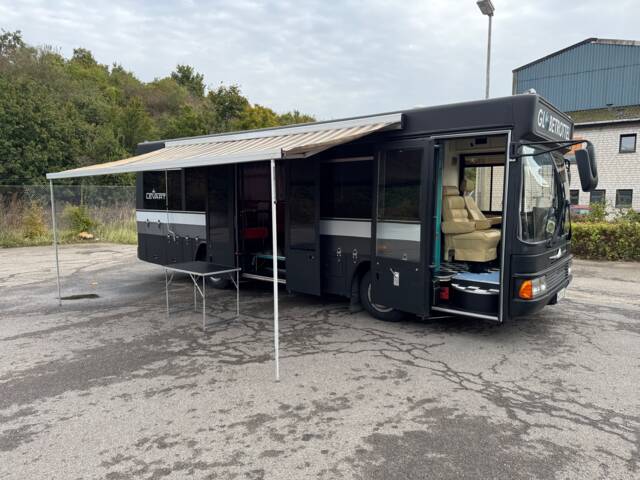
1987 | Neoplan Midibus
Globetrotter Büro- Event- und Partybus mit H-Kennzeichen
Create search alert
Let yourself be notified as soon as a listing is published that matches your search filters.
Create listing
Do you have a Neoplan Midibus that you want to sell? Then create a listing now.
Create listingNeoplan Midibus Classic Cars: Prices & Market Values
History of the Neoplan Midibus
Neoplan, established as a leader in innovative bus engineering, introduced the Midibus to bridge the gap between city buses and smaller shuttles. Designed in response to shifting demands for more adaptable and economic transport solutions, the Midibus carried forward Neoplan's traditions of high build quality and structural ingenuity. The model carved its own niche by focusing on routes where large coaches were impractical, all while retaining the signature Neoplan attention to stability and passenger comfort.
Model History
The Neoplan Midibus does not stem from a single predecessor but evolved from the company's broader search for mid-capacity solutions in the 1980s and 1990s. Successor models integrated further safety advancements and, over time, more contemporary drivetrain options, adapting to changing regulations and transit demands. Each Midibus variation reflected its era’s expectations—both in powertrain and in passenger-focused amenities.
Highlights of the Neoplan Midibus
One defining aspect of the Neoplan Midibus is its adaptability. While primarily designed for urban and suburban transit, configurations ranged from school and airport shuttles to touring variants. Key features included low-floor boarding for accessibility, reliable diesel engines, and the robust, corrosion-resistant bodywork Neoplan is renowned for.
Technical Data
Special Editions and Collectible Models
Information on official special editions of the Neoplan Midibus is limited. Many vehicles, however, were individually customised by operators for specific uses—such as executive shuttles or mobile command centres—often receiving unique interior designs, bespoke seating, and upgraded technology according to operator specifications.
Engine, Performance, Transmission and Handling
Neoplan Midibuses typically employed robust, well-proven diesel engines supplied by leading European manufacturers. Matched with automatic or manual transmissions, these drivetrains were engineered for reliability in demanding stop-and-go conditions. Ride comfort was enhanced through air suspension setups, with handling balanced for stability even on urban routes and in higher-capacity shuttle service. • Neoplan Midibus (diesel, manual or automatic transmission): highlighted for sturdy engineering, ride comfort and proven urban operation.
Interior, Comfort, Exterior and Design
The Neoplan Midibus interior often reflected its intended application: from utilitarian city layouts with standing room to more refined seating arrangements for shuttle and excursion service. Special attention was paid to passenger accessibility, with low steps or kneeling systems featured on multiple versions. Externally, the design language followed Neoplan’s streamlined tradition, with wide panoramic windows for visibility and characteristic, corrosion-resistant body panels. Some operators opted for custom exterior colours and decorative wraps, further distinguishing their fleets.
Summary
The Neoplan Midibus stands out among classic mid-sized buses for its innovative approach to both engineering and usability. Its share of listings and searches underlines sustained interest in this particular model series. For enthusiasts seeking a reliable, versatile classic bus for restoration or continued operation, the Neoplan Midibus offers proven mechanics, adaptability, and recognisable design.