- Car
- Moskwitsch
- Moskwitsch 412 (0 offers)
Moskwitsch 412 classic cars for sale
The Moskwitsch 412 established itself as an affordable mid-size saloon from the Soviet era, recognised for its robust engineering and practicality. Known for its durability and surprising performance, the 412 remains a distinctive presence in the classic car world. Discover what set this unique model apart below.
Search results
Currently, there are no matching listings for your search.
Create search alert
Let yourself be notified as soon as a listing is published that matches your search filters.
Create listing
Do you have a Moskwitsch 412 that you want to sell? Then create a listing now.
Create listingMoskwitsch 412 listing references from Classic Trader
Below you will find listings related to your search that are no longer available on Classic Trader. Use this information to gain insight into availability, value trends, and current pricing for a "Moskwitsch 412" to make a more informed purchasing decision.
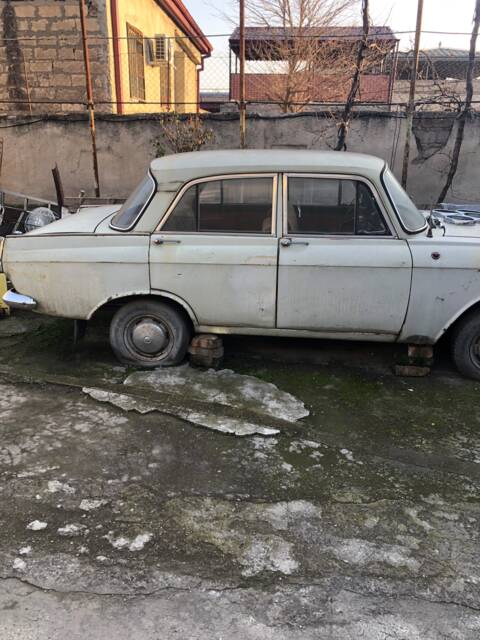
1974 | Moskwitsch 412
Very rare in USA and Western Europe
Create search alert
Let yourself be notified as soon as a listing is published that matches your search filters.
Create listing
Do you have a Moskwitsch 412 that you want to sell? Then create a listing now.
Create listingMoskwitsch 412 Classic Cars: Prices & Market Values
History of the Moskwitsch 412
Produced from 1967 to 1976 by Moskvitch at the AZLK plant in Moscow, the 412 was marketed as a modern, reliable sedan for the masses in the Soviet Union and export markets. It directly succeeded the Moskvitch 408 and was built during a time of rapid technological and industrial growth. The 412’s primary contribution was bringing modern engine technology and safety updates to a design rooted in Soviet practicality. Its widespread export to Western Europe and developing regions made it a rare Soviet model to achieve genuine international presence.
Model History
The Moskwitsch 412 was the successor to the 408 and underwent continuous improvement throughout its production run. Notable evolutions included the introduction of a new engine and enhanced safety equipment, such as improved seatbelt anchorage and updated brake systems. Later, it was succeeded by the Moskvitch 2140 in the late 1970s, which carried over much of the 412’s engineering while modernising the aesthetics and interior.
Highlights of the Moskwitsch 412
A major highlight is the 1.5-litre aluminium OHV engine, which stood out at the time for its higher output and low weight compared to many contemporaries in the segment. Export models featured additional trim details and some upgrades not available to domestic buyers. The body offered surprising interior space for its class, and the robust suspension was tailored for rougher roads. According to our supply statistics, the 412 represents a significant share of Moskwitsch classic offerings, marking it as a key model for enthusiasts of Soviet motoring history.
Technical Data
Special Editions and Collectible Models
While not widely associated with factory-limited editions, some export variants released under the name 'Moskvitch Elite' or fitted with extra chrome details are sought after today. Additionally, certain collaborations with Western assembly lines, mostly in Belgium and Finland, produced export models (IZh 412 and 412 IE), which have distinct trim and compliance features.
Weak Spots and Common Issues
The Moskwitsch 412 is mechanically simple but requires attention to body rust, especially at the sills, doors, and suspension mounting points, due to basic factory rust protection. The aluminium engine demands regular coolant changes to prevent corrosion. Wiring problems and poorly insulated interiors are common, and rear axles should be checked for excessive play. Replacement parts are still attainable from Eastern European sources but often require patience.
Engine and Performance, Transmission and Handling
The 1.5-litre four-cylinder engine gives the 412 reasonable acceleration for its period, with reliable mid-range torque well-suited to both city and long-distance driving. The four-speed manual is robust though gear changes can feel notchy. The stiff suspension setup allows the 412 to handle unpaved roads far better than many Western contemporaries, but ride comfort is basic and noise insulation is minimal. The steering is recirculating ball, providing dependable—if heavy—feedback. Popular models include 412 export variants with disc brakes and additional comfort options, as well as rare Estate and IZh-assembled cars. Export models often feature dual-circuit brakes, improved front seats, and enhanced build quality, making them particularly prized by collectors.
Interior, Comfort, Exterior and Design
The Moskwitsch 412’s design exudes 1970s Soviet rationalism with clean, boxy lines, minimal chrome, and persistent focus on practicality. Interiors are spartan but functional, with hard-wearing vinyl, basic instrumentation, and generous glazing that provides good visibility. Most cars were finished in muted colours, but export editions could feature brighter hues and two-tone dashboards. Accessories were limited, but roof racks and additional gauges were available through the dealer network.
Other Notable Features
Left-hand drive was standard, though some rare export vehicles were built for right-hand drive markets. The 412 was homologated for Group 1 rallying, participating in numerous reliability trials including the London–Sydney Marathon, which underlines its ruggedness. Its simplicity aids restoration, making it a popular entry-level classic for hands-on enthusiasts.
Summary
The Moskwitsch 412 stands as a robust, utilitarian classic, combining Soviet engineering with a surprisingly international spirit. Its distinctive technical layout, export history, and reputation for reliability distinguish it in the world of classic saloons. The model remains in demand among enthusiasts valuing practicality, mechanical honesty, and a slice of Cold War automotive history.