Morgan F Super classic cars for sale
The Morgan F Super stands out among classic three-wheelers, combining distinctive design with engineering rooted in 1930s British motoring. This model attracts enthusiasts interested in purist driving, vintage race pedigree, and a deeply mechanical driving experience.
Search results
Currently, there are no matching listings for your search.
Create search alert
Let yourself be notified as soon as a listing is published that matches your search filters.
Create listing
Do you have a Morgan F Super that you want to sell? Then create a listing now.
Create listingMorgan F Super listing references from Classic Trader
Below you will find listings related to your search that are no longer available on Classic Trader. Use this information to gain insight into availability, value trends, and current pricing for a "Morgan F Super" to make a more informed purchasing decision.
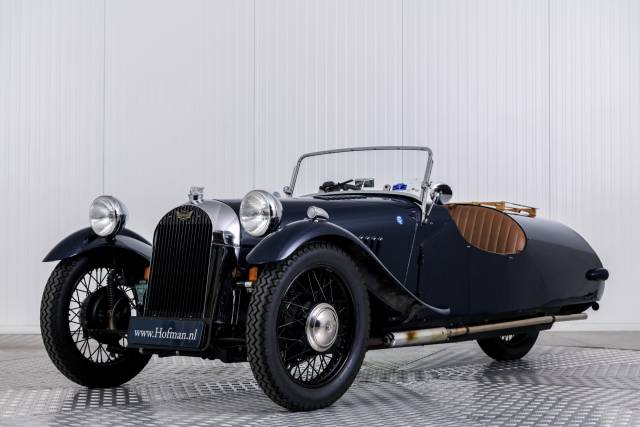
1946 | Morgan F Super
Morgan F-SUPER 10HP Three Wheeler

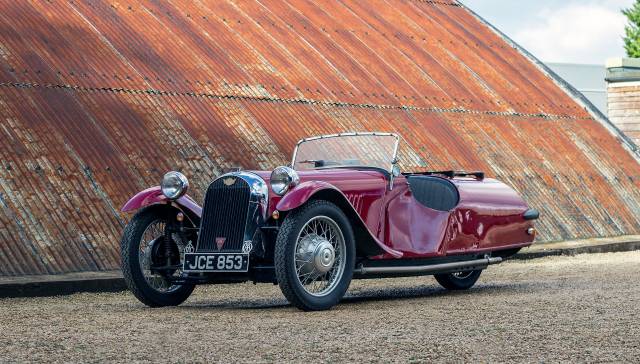
1950 | Morgan F Super

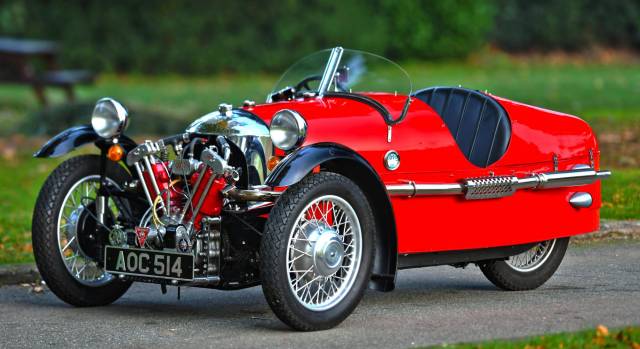
1934 | Morgan F Super
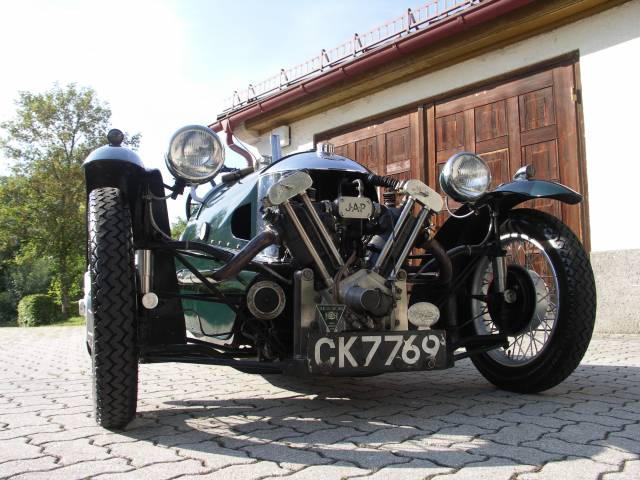
1934 | Morgan F Super
Threewheeler Super Sport

Create search alert
Let yourself be notified as soon as a listing is published that matches your search filters.
Create listing
Do you have a Morgan F Super that you want to sell? Then create a listing now.
Create listingMorgan F Super Classic Cars: Prices & Market Values
History of the Morgan F Super
The Morgan F Super saw its debut in 1933 as a further development of Morgan’s successful three-wheeler range. Deeply rooted in the interwar years, it was positioned as a sporting variant aimed at drivers seeking excitement and aerodynamics—qualities prized on both the road and track of the era. The F Super continued Morgan’s tradition of V-twin engine mounting up front, a practice that offered both visual character and direct cooling. With open cockpits and no-nonsense mechanics, the model reflected the British lightweight sports car ethos of the time.
Model history
The Morgan F Super emerged after the earlier Morgan V-twin-based three-wheelers like the Runabout and Aero, providing enhancements in both stability and power. The F Super remained in production up to 1952, outlasting many of its contemporaries. After the F Super, Morgan gradually shifted its focus to four-wheeled models, marking the end of an era for the three-wheeler line before eventually introducing more modern interpretations decades later.
Highlights of the Morgan F Super
The Morgan F Super was primarily recognised for its front-mounted V-twin engine, exposed cooling system, lightweight tubular chassis, and minimalistic, open cockpit. It was a machine designed primarily for the thrill of driving, emphasising agility and driver involvement. Period-correct wire wheels and the iconic Morgan grille gave it unmistakable aesthetic presence at any gathering of vintage British machinery.
Technical data
Special Editions and Collectible Models
While standardisation dominated most Morgan F Super production, occasional custom liveries, period modifications for competition, and special bodywork appear in the history of individual cars. However, no factory-produced limited editions are known for the F Super.
Engine, Transmission and Handling
Thanks to its V-twin engine layout and lightweight build, the F Super delivers lively acceleration for its era and a unique soundtrack. Power output varied based on engine supplier, but the mix of immediate throttle response and direct steering made this a choice for drivers valuing mechanical engagement over comfort. The three-speed manual transmission with reverse gear requires accurate shifting, rewarding the rhythmical operation of a seasoned driver. The narrow track and pronounced weight transfer give the F Super an old-school driving feel, with considerable feedback coming through its unassisted controls. Most F Supers relied on air-cooled JAP V-twins, but the Matchless-powered variants are of particular note for their robust reputation. Cars retained in original specification, especially with period-correct mechanical components and coachwork, are sought by enthusiasts for their authenticity and driving purity.
Interior, Comfort, Exterior and Design
The F Super’s cockpit prioritises the essentials: a low-cut windscreen, spartan dash, and bucket seats with minimal padding. Bodywork was almost always open, with cycle wings front and rear. Aluminium and steel construction kept weight down, while wire wheels and period lighting completed the look. Accessory wind deflectors, tonneau covers, and period badges reflect common period upgrades. Most cars were finished in British shades—greens, reds, or blues—with upholstery and details tailored by their original owners or coachbuilders.
Other Features
Owners often retrofitted additional gauges, spot lamps, and competition-inspired touches depending on intended use. Many F Supers have track or motorsport history, with some surviving examples participating in hill climbs or amateur circuit events in Britain before and after WWII.
Summary
The Morgan F Super symbolises a hands-on era of British motoring, distinguished by its purist approach to sports car design and focus on mechanical simplicity. As the only Morgan three-wheeler represented in our inventory data, its status is firmly established among enthusiasts valuing driving sensation, heritage, and race-bred engineering.