- Car
- Monteverdi (1 offer)
Buy Classic Monteverdi Cars
Monteverdi combined Swiss ambition, Italian coachbuilding and big American V8 power in hand-built grand tourers, limousines and luxury four-wheel drives. For an Australian collector, a properly documented Monteverdi is a rare, highly individual alternative to the familiar European GT.
Search results
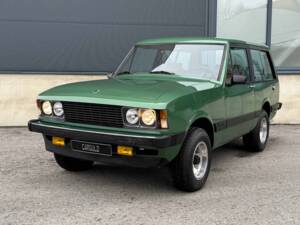
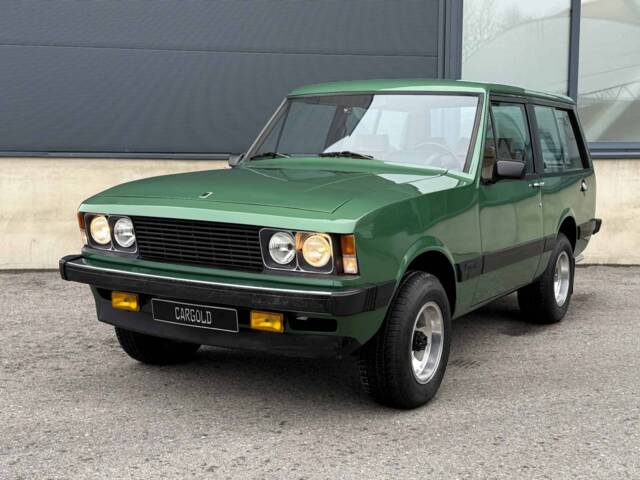
1978 | Monteverdi Safari
1st owner / Original paint / original 51.565 km!

Monteverdi listing references from Classic Trader
Below you will find listings related to your search that are no longer available on Classic Trader. Use this information to gain insight into availability, value trends, and current pricing for a "Monteverdi" to make a more informed purchasing decision.
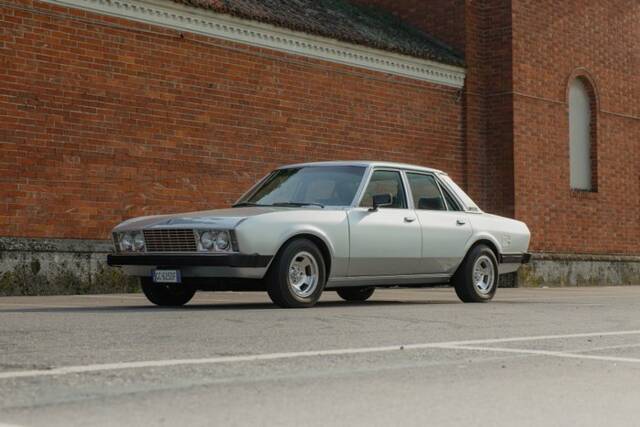
1980 | Monteverdi Sierra Grande 1500
Monteverdi - Sierra - 1980

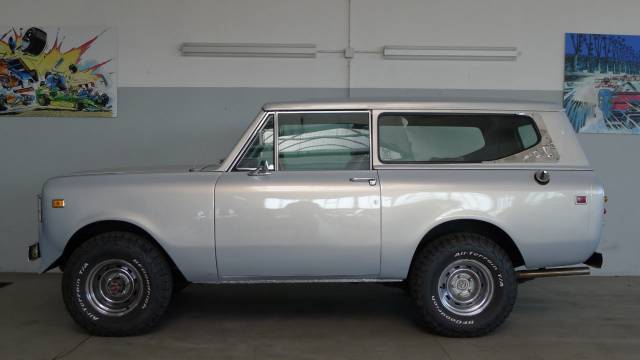
1979 | Monteverdi Sahara
Optisch und technisch umfangreich saniert, sehr selten
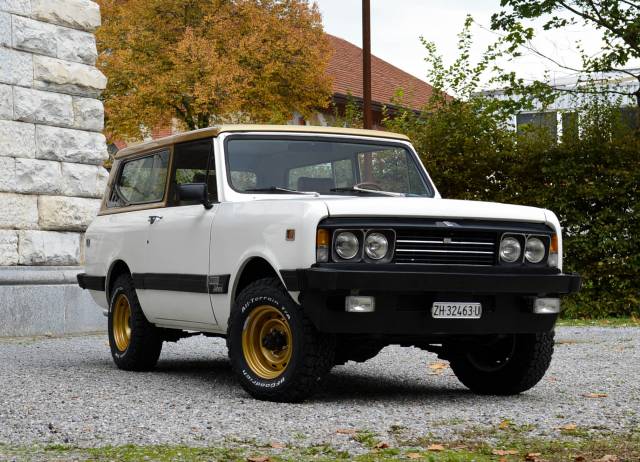
1979 | Monteverdi Sahara
1 von ca. 30 gebauten Fahrzeugen, aus 1. Hand, garantierte Kilometer, Veteran

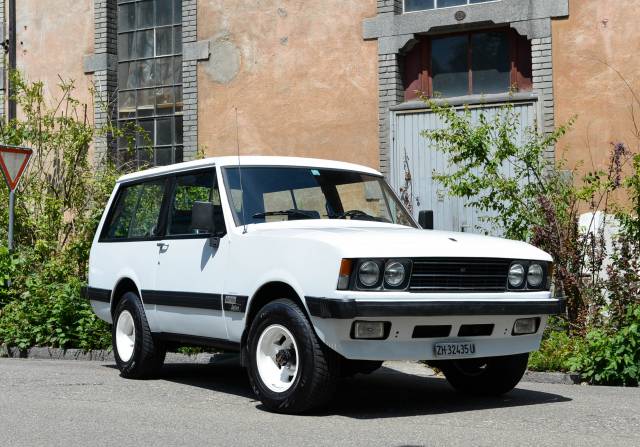
1978 | Monteverdi Safari
Sehr originales Fahrzeug aus Schweizer Auslieferung mit Veteraneneintrag
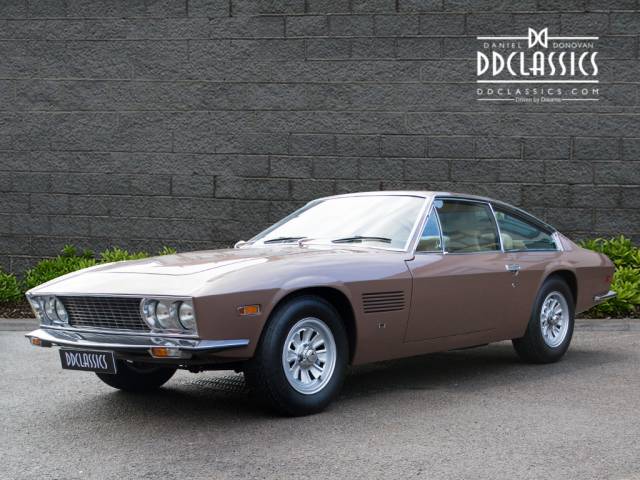
1971 | Monteverdi High Speed 375 L
1 of only 6 RHD examples - Famous previous owners - Simply stunning!

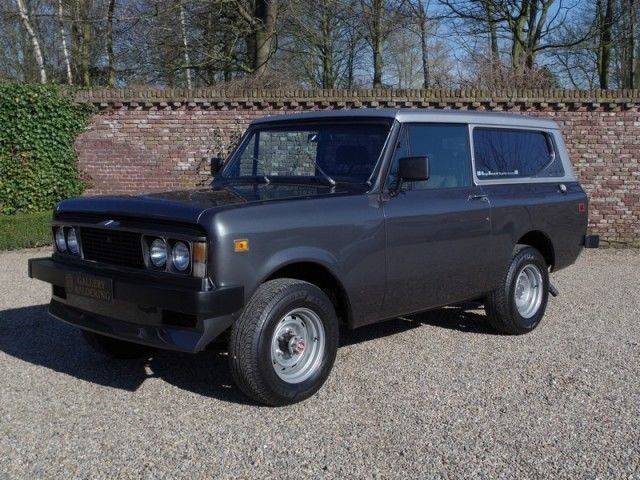
1978 | Monteverdi Sahara
Andere Monteverdi Sahara with only 81.086 kms!
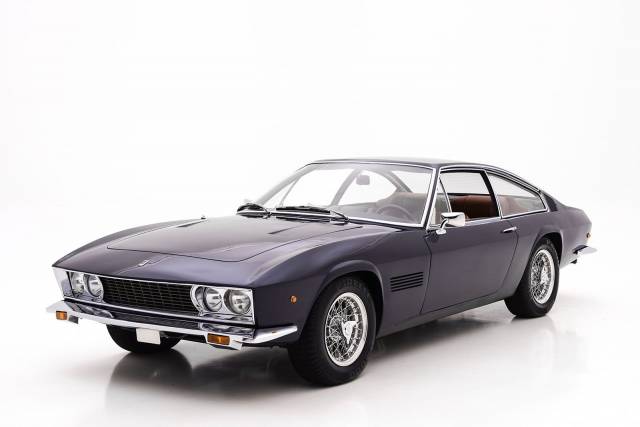
1970 | Monteverdi High Speed 375 L
Monteverdi 375L
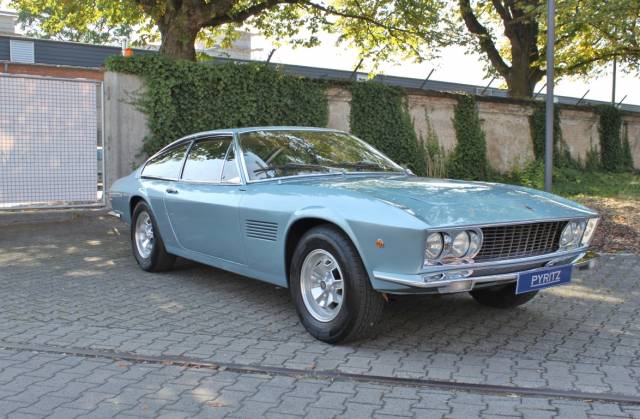
1973 | Monteverdi High Speed 375 L
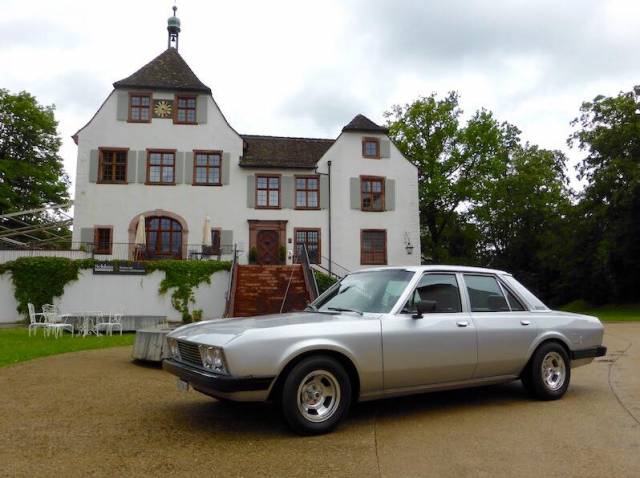
1980 | Monteverdi Sierra Grande 1500
Luxus-Rarität - nur 20 Stück gebaut !
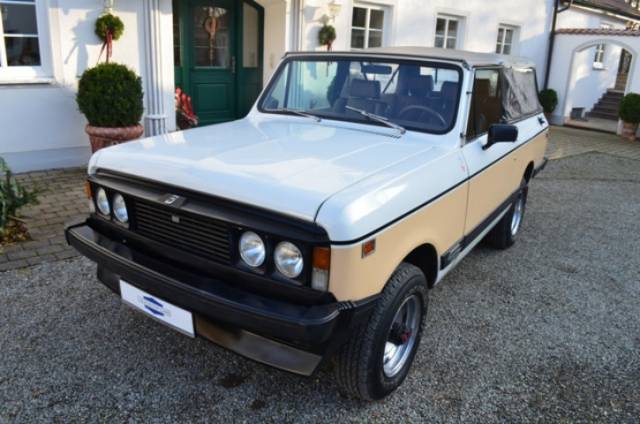
1980 | Monteverdi Sahara
Sahara A Vollcabrio / Convertible
History & Heritage
Monteverdi was never a volume manufacturer, which is precisely why the badge deserves careful attention. Peter Monteverdi, a racing driver, dealer and entrepreneur from Binningen near Basel, had already built MBM competition and sports cars before presenting the first Monteverdi in 1967. His commercial idea was clear-eyed: combine a chassis developed in Switzerland with Italian style and the huge, readily serviceable torque of a Chrysler V8. The result belongs beside Iso, Jensen, Facel Vega and De Tomaso, though Monteverdi production was smaller and each car was more individual.
The first production expression was the High Speed 375 S, unveiled at the 1967 Frankfurt Motor Show. Early cars wore elegant bodies by Pietro Frua, over a square-section tubular chassis with double-wishbone front suspension and a De Dion rear axle. Chrysler 426- and 440-cubic-inch engines gave the low, long coupe the performance expected of an expensive continental GT. The “375” designation refers to a period SAE output, so advertisements which simply call every car “375 hp” should be read with care; engine, tune and the test standard matter.
After the relationship with Frua ended, Monteverdi turned to Carrozzeria Fissore at Savigliano. From 1969 its more formal, crisply folded bodywork defined the second High Speed generation. The 375 L became the principal 2+2, joined by the shorter 375 S, 375 C convertible, Berlinetta and the imposing 375/4 four-door. With its Chrysler 440, leather-lined cabin, air conditioning and possible division, bar or television, the 375/4 was intended to be a genuine alternative to a Mercedes-Benz 600 or Rolls-Royce, not merely a stretched coupe.
In 1970 Monteverdi showed the other extreme. The hai 450 SS placed a 426 Hemi behind its occupants under a sharply wedged, mid-engined body; “hai” is German for shark. The later 450 GTS was advertised as lighter and quicker still. It is a compelling part of the marque story, but also the point at which exact identity matters most. Sources differ on prototypes, completed period cars and later completions, so no buyer should accept an appealing production-number claim in place of chassis research and documentary proof.
The oil crisis changed the market for thirsty, handmade GTs. Monteverdi pivoted rather than disappearing: the 1976 Safari applied Fissore coachwork and a plush cabin to International Scout mechanicals, making it an unusually early luxury 4x4. The related Sahara was more closely based on the Scout, while the Sierra from 1977 reworked a Chrysler platform into a discreet V8 luxury saloon, convertible and estate. Car manufacture ended in 1982. The later Monteverdi Car Collection preserved much of the firm's history in Binningen until its closure in 2016.
Highlights & Features
The appeal is the meeting of three distinct traditions. Swiss small-series engineering enabled a customer to specify unusual trim and equipment; Frua and Fissore supplied coachbuilt form and detail; Chrysler supplied engines and TorqueFlite automatics that a capable V8 specialist can understand. That mixture is useful in Australia. A fuel pump, ignition part or automatic-transmission service item may be obtainable through Chrysler channels, while a Monteverdi-specific lamp, windscreen surround, grille, rubber seal or leather trim component may require patient international searching or remanufacture.
Five representative lines show that Monteverdi was a make rather than a single-car story:
- High Speed 375 S, L, C and 375/4 (1967–1976): the central GT family. The early Frua S is the intimate coachbuilt collector car; the Fissore L is a more relaxed 2+2; the convertible and four-door have their own rarity and purpose.
- hai 450 SS/GTS (1970–1973): Monteverdi's spectacular Hemi-powered mid-engined statement. It is suitable only for buyers prepared to commission serious provenance and engineering work.
- Safari (1976–1982): a luxurious four-wheel drive well before the modern premium SUV. It offers International Scout toughness but a substantially more elaborate Fissore body and interior.
- Sahara (from 1978): the simpler, more utilitarian four-wheel-drive derivative. It should not be represented as a Safari just because the badges or broad mechanical family match.
- Sierra (1977–1980): a low-volume Swiss interpretation of a Chrysler V8 saloon. Its mechanical basis is conventional; its body, lighting, interior and trim are not.
Hand construction means a Monteverdi may legitimately differ from brochure photographs. Wheel design, instruments, trim, exterior colour, lighting and even mechanical specification could be tailored. Originality is therefore evidenced, not guessed. Factory correspondence, delivery documents, old registration papers, period photographs, invoices and a recognised marque expert's report are more persuasive than a fresh restoration with a vague story. This is especially important in a market where a seemingly small difference in bodybuilder, engine or history can change collectability substantially.
Technical Data
Figures below are representative period specifications rather than a substitute for a particular car's build record. Power quotations are period SAE or DIN claims where stated and should not be treated as directly interchangeable.
Market Overview & Buying Tips
The Monteverdi market is international, thinly traded and highly conditional. Condition, exact coachwork, history, matching drivetrain, export papers and the quality of a prior restoration matter more than year alone. Public sales give useful anchors, not a universal price list. A 1973 High Speed 375 L with Fissore bodywork, documented museum history and recent mechanical work sold through Bring a Trailer for US$330,000 on 21 February 2025. At the 2026-27 LCT threshold this is roughly the kind of purchase that can attract Australian luxury-car tax after conversion, freight and duty; it is not a cheap import merely because it is old.
There are more modest indicators too. Classic.com records a 1980 Sierra at €35,000 in November 2024, another 1980 Sierra at €27,111 in July 2024, and a 1978 Sahara at €38,500 in April 2024. These figures concern individual cars and different sale circumstances, but they explain the range inside the make. A 1971 375/4 attracted a US$400,500 highest bid at Bring a Trailer in September 2025 without meeting reserve; it should be described accurately as a bid, not a sale. Exceptional provenance—this was the first 375/4 and a Peter Monteverdi press car—makes it a poor benchmark for an ordinary project.
For Australian buyers, start the purchase file before arranging shipping. Most Monteverdis are left-hand drive, although the marque's individual-build nature means the actual steering position and original specification must be checked rather than assumed. LHD historic registration and use rules vary by state and territory. Confirm with the relevant registration authority whether the proposed car can be registered where it will live, and whether lighting, tyres, glazing, seat belts or any modification need attention. A conversion to RHD is a significant modification; it can compromise originality and, if recent, may affect eligibility under the older-vehicle route. A well-preserved LHD car with a clear state-registration path is usually preferable to an undocumented conversion.
Australia's Commonwealth process is separate from state registration. A passenger car or light 4WD more than 25 years old may use the older-vehicle concessional RAV-entry pathway. Apply through ROVER and obtain the approval before shipping. The application needs ownership evidence, build date, VIN or chassis number and photographs; for a vehicle with significant alterations, evidence of when those changes were completed is also needed. Approval permits import and RAV entry, but does not guarantee state or territory registration.
Budget on landed cost, not headline purchase price. Australian Border Force says GST is generally 10% of the value of the taxable importation, which includes customs value, international transport and insurance, plus duty and relevant tax. Customs duty, where applicable, is assessed on customs value; the applicable tariff treatment may depend on origin and documentation, so obtain a broker's written estimate rather than assume a single rate. LCT can apply to private imports whose GST-inclusive value exceeds the annual threshold; for 2026–27 it is A$80,809, with the tax charged at 33% of the amount above the threshold. Also allow for shipping insurance, port and broker fees, biosecurity inspection and cleaning, storage risk, inland transport, compliance work and state duty, registration and insurance. A dusty Safari or a car with soil in chassis rails can become expensive quickly at biosecurity inspection.
Before committing, use an independent inspector familiar with coachbuilt European cars and American V8s. Check the following across the range:
- Establish identity first. Photograph chassis stamping, plate, engine and transmission numbers, then reconcile them with all ownership papers and marque records. A replacement engine or reconstructed body is not automatically disqualifying, but must be declared and priced accordingly.
- Inspect structure, not paint. Use paint-depth measurement, magnet and borescope as appropriate. Examine sills, A-pillars, screen surrounds, floors, chassis pick-up points, boot floor, door bottoms and the joins of hand-formed panels. Corrosion can be hidden under beautiful paint; aluminium can suffer galvanic issues beside steel.
- Assess the drivetrain while cold. Chrysler engines and TorqueFlites are familiar technology, but verify oil pressure, cooling, blow-by, carburettor behaviour, leaks, shift quality and evidence behind any “rebuilt” claim. Compression and leak-down results are more useful than an invoice headline.
- Test every bespoke electrical and comfort item. Air conditioning, windows, instruments, locks, heaters, lighting and special 375/4 equipment can be costly to reproduce. A complete, operating cabin is a material asset.
On a High Speed, distinguish Frua and Fissore bodywork before ordering parts or valuing the car. Check the tubular chassis, front suspension, De Dion axle, propshaft, limited-slip differential and brakes, including the inboard rear brakes fitted to some examples. On a claimed Hemi car, confirm casting numbers, engine code and period order documentation. The hai warrants a marque specialist: inspect its spaceframe, cooling circuit, heat shielding, gearbox linkage and engine installation, and treat any replica or later assembly according to what it demonstrably is.
For Safari and Sahara, inspect the International-derived ladder frame, body mounts, spring hangers, crossmembers, footwells, rear structure and under-carpet corrosion. Test transfer case, low range, four-wheel-drive engagement and automatic operation. Mechanical Scout parts may be manageable, but Fissore panels, dashboard, grille, glass and badges can be far harder. Sierra buyers should look beyond the easy-to-understand 318 V8: bespoke trim, lamps, upholstery and body components are the expensive variables.
Driving Feel
A sorted High Speed 375 L is not a delicate Italian sports car. It is a large, handmade GT whose V8 delivers torque early and without fuss, while the TorqueFlite gives the car a long-legged, unhurried character. From the right-hand seat in an LHD example, an Australian owner should expect a very different rhythm on local roads: broad sightlines and careful overtaking judgement matter, but the sound and effortless surge are central to the experience. The shorter 375 S feels more concentrated; the 375/4 is surprising because its stately four-door presence disguises real pace.
The hai is altogether more intense—low seating, a shallow view over the nose, mechanical noise close behind and a Hemi that becomes more serious with revs. It rewards a properly set-up chassis, modern-quality tyres chosen with care and a driver who respects period braking and immense torque. Safari and Sahara offer the opposite pleasure: upright visibility, low-range capability and old-school V8 ease. The Sierra is a quiet, rare V8 cruiser rather than a sports saloon, suited to the buyer who enjoys being noticed only after the badge is read.
Design & Coachwork
Monteverdi's design language changed with its coachbuilders but retained an expensive, self-possessed presence. Frua's early High Speed bodies are flowing and elegant, comparable in mood to the best Italian GTs of the late 1960s. Fissore's later cars are sharper: broad frontal treatment, taut flanks, generous glass and a formal rear end. The 375 L succeeds as a 2+2 because it looks proportioned rather than simply extended, while the 375/4 translates the same visual vocabulary into a genuine limousine.
The hai is pure early-1970s wedge drama. Safari demonstrates that a luxury off-roader could have a distinctive coachbuilt identity long before that became a mainstream formula, whereas Sahara deliberately remains closer to its rugged Scout roots. Sierra used restrained Europeanised front and rear treatment, leather and instrument detail to turn a Chrysler-based saloon into an unusually discreet Swiss luxury car.
For restoration, the variety is a warning as much as an attraction. Photograph every panel gap, fitting, wiring route and trim detail before disassembly; retain even damaged original parts as patterns. A symmetrical, heavily restored car with generic accessories can look less convincing—and be less valuable—than a carefully preserved car wearing imperfect but correct hand-built details.
Summary
A classic Monteverdi suits the collector who values rarity, engineering character and documented identity over the convenience of a large parts catalogue. High Speed models represent the marque's GT heart, hai its most audacious ambition, Safari and Sahara its prescient four-wheel-drive chapter, and Sierra its quiet luxury alternative. Find the Monteverdi whose specification, condition, provenance and Australian import path all stand up to scrutiny, then this Swiss-Italian-American hybrid can be a deeply rewarding classic to own.