- Automobil
- Mercedes-AMG
- Mercedes-AMG F1 (0 Angebote)
Mercedes-AMG F1 Classic Cars for Sale
The Mercedes-AMG F1 models are technological benchmarks, shaped by decades of Formula One innovation. With a rich motorsport heritage and cutting-edge engineering, these vehicles represent the leading edge of automotive performance, both on and off the track.
Suchergebnisse
Zur Zeit sind keine passenden Inserate zu Ihrer Suche veröffentlicht.
Create search alert
Let yourself be notified as soon as a listing is published that matches your search filters.
Create listing
Do you have a Mercedes-AMG F1 that you want to sell? Then create a listing now.
Create listingMercedes-AMG F1 listing references from Classic Trader
Below you will find listings related to your search that are no longer available on Classic Trader. Use this information to gain insight into availability, value trends, and current pricing for a "Mercedes-AMG F1" to make a more informed purchasing decision.
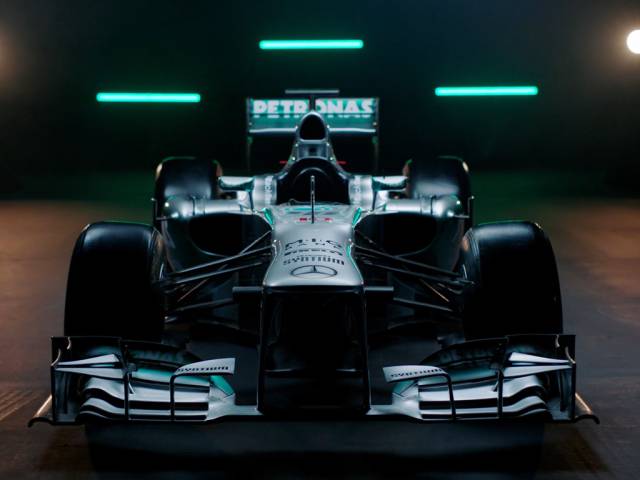
2013 | Mercedes-AMG F1 W04
2013 Mercedes-AMG Petronas F1 W04
Create search alert
Let yourself be notified as soon as a listing is published that matches your search filters.
Create listing
Do you have a Mercedes-AMG F1 that you want to sell? Then create a listing now.
Create listingMercedes-AMG F1 Classic Cars: Prices & Market Values
History of Mercedes-AMG F1
Mercedes-Benz's involvement in Formula One dates back to 1954, when the brand first participated as both a team owner and engine supplier. Throughout the decades, Mercedes has repeatedly set standards in motorsport engineering and performance. The modern era is defined by the Mercedes-AMG Petronas F1 Team, based in Brackley, England, yet racing under a German licence. The team is often referred to as the 'Silver Arrows', a nickname that hints at their racing livery and formidable competition record. In January 2022, ownership was diversified to include Ineos and Toto Wolff alongside Mercedes-Benz Group, symbolising a new era of partnership and competitive drive.
Model History
The Mercedes-AMG F1 lineage does not follow traditional road car model generations but instead evolves year-on-year in response to changing regulations and breakthroughs in racing technology. Early Mercedes participation in F1 set remarkable milestones, from Juan Manuel Fangio’s victories in the 1950s with the W196, through to the dominance of modern hybrid-powered cars under the AMG brand. Successive race cars, rather than road-going models, mark the development path, with technical triumphs mirrored in every iteration of the race vehicle.
Highlights of Mercedes-AMG F1
The relentless development in aerodynamics, powertrain efficiency, hybrid technology, and teamwork distinguish Mercedes-AMG F1 models. The integration of advanced hybrid systems set new standards in both Formula One and broader automotive technology. Engineering is not confined to performance—data-driven strategy and constant innovation are pillars of the F1 team, making every car a technical tour de force.
Technical Data
Special Editions and Collectible Models
Within each Formula One season, Mercedes-AMG may produce chassis or liveries commemorating championships or milestones, but typical 'special editions' in the collector sense are rare. Occasionally, championship-winning cars or those driven by celebrated drivers become sought after due to their historical context and documented competition pedigree.
Weak Spots and Common Issues
Technical complexity is the hallmark of F1 vehicles, translating to high maintenance costs and the need for specialist knowledge. Long-term preservation is challenged by the constant evolution of materials and technology inherent to Formula One design. Spare parts are not widely available and typically require specialist sourcing or bespoke fabrication.
Engine, Performance, Transmission and Handling
Mercedes-AMG F1 cars redefine automotive performance boundaries each season. Hybrid powertrains combine turbocharged V6 internal combustion with electric power for lightning-fast acceleration and controlled energy deployment. Transmission systems are seamless-shift, race-specific units engineered for absolute reliability under extreme conditions. On track, these machines exhibit advanced aerodynamics and finely balanced chassis responses for maximum grip and cornering speed. Notably, individual championship cars, such as those driven by Lewis Hamilton or Nico Rosberg, often become centrepieces for collectors seeking technical milestones or key moments in F1 history.
Interior, Comfort, Exterior and Design
The design of a Mercedes-AMG F1 vehicle is determined exclusively by function. Interiors are crafted around the driver, utilising ultra-lightweight composite seats, minimal displays, and controls focused on performance. Exteriors feature high-downforce aero elements, distinctive 'Silver Arrow' livery, and a low, wide stance for maximum track efficiency. Accessories and special equipment relate directly to race requirements: steering wheel interfaces, telemetry systems, and modular aerodynamic packages dominate the specification lists.
Other Relevant Features
Ownership of a Mercedes-AMG F1 car is often accompanied by unique documentation, provenance verification, and sometimes even direct affiliation with the team. These factors add a layer of exclusivity, further defining their presence beyond traditional road-going collectables.
Summary
Mercedes-AMG F1 models capture the zenith of motorsport engineering, shaped by competition at the absolute highest level. Their presence in the classic car market is defined by unrivalled technical sophistication, singular supply, and a deep link to Mercedes-Benz’s highest-profile achievements on the global racing stage.