Mega Club classic cars for sale
The Mega Club stands out as an extremely adaptable small car from France, produced in limited numbers between 1992 and 1998 by Aixam. Based closely on Citroën technology with unique convertible options, the Mega Club attracts anyone seeking a modular, rust-resistant vehicle with distinctive body construction. For those eager to explore more about this exceptional model's story and features, keep reading.
Search results
Currently, there are no matching listings for your search.
Create search alert
Let yourself be notified as soon as a listing is published that matches your search filters.
Create listing
Do you have a Mega Club that you want to sell? Then create a listing now.
Create listingMega Club listing references from Classic Trader
Below you will find listings related to your search that are no longer available on Classic Trader. Use this information to gain insight into availability, value trends, and current pricing for a "Mega Club" to make a more informed purchasing decision.
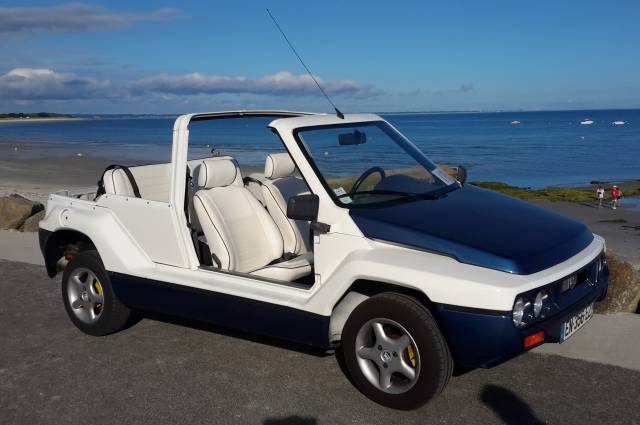
1994 | Mega Club
La voiture MODULABLE , Coupé, Pick-up, Décapotable, Buggy FUTURE COLECTOR
Create search alert
Let yourself be notified as soon as a listing is published that matches your search filters.
Create listing
Do you have a Mega Club that you want to sell? Then create a listing now.
Create listingMega Club Classic Cars: Prices & Market Values
History of the Mega Club
The Mega Club traces its roots to the ambition of Aixam, a French manufacturer based in Aix-les-Bains, to build a versatile and robust vehicle as the spiritual successor to the Mehari by Citroën. Produced from 1992 to 1998 in roughly 3,600 units, the Mega Club utilised a Citroën AX 1.4L diesel platform and introduced a modular design approach. Customers could easily transform the Mega Club from a hardtop coupé to a cabriolet, buggy, or even a pick-up, providing remarkable adaptability for leisure and light utility purposes. The galvanised chassis and composite ABS resin bodywork were directly aimed at resisting European weather and rough use. Unlike its all-steel contemporaries, the Mega Club's unique material choices continue to catch the eye of collectors and enthusiasts.
Model History of the Mega Club
Emerging as a creative reinterpretation of the Citroën AX, the Mega Club followed the legacy of vehicles like the Citroën Mehari, focusing on outdoor versatility. The concept set the Mega Club apart from traditional superminis, blending convertible practicality with the underpinnings of the reliable Citroën AX diesel drivetrain. Subsequent development saw the introduction of variations such as the Club (hardtop coupé), buggy, and pick-up, all type-approved even with unconventional setups such as no doors. Production remained niche, never reaching mass-market visibility but instead cementing a cult following among fans of French leisure cars.
Highlights of the Mega Club
A focal point of the Mega Club experience is its modularity: with options for a sunroof, removable hardtop, and convertible layouts, alongside homologated open-body configurations, the Club broke new ground in adaptable bodywork. The galvanised chassis and plastic composite panels ensured exceptional resistance to rust, a rare trait in 1990s small cars. Even the wheels offered variety, including original aluminium (ALU) and steel (TOLE) rims with decorative hubcaps (enjoliveurs). Around 3,600 units were produced, which has made the Mega Club one of the more elusive finds in the segment.
Technical Data
Special Editions and Collectible Models
The Mega Club was offered in several versions, most notably the standard Club with a hardtop that transforms the car into a coupé. Variants allowed conversion to buggy, cabriolet, or pickup; configurations without doors were fully type-approved, underlining its versatility. Limited overall production and the possibility of factory-converted models with unique specifications mean that nearly every surviving example carries a degree of rarity.
Engine and Performance, Transmission and Handling
The Club’s diesel power unit, taken from the Citroën AX, delivers robust torque while maintaining fuel efficiency typical of small French diesels from the early 1990s. The low curb weight thanks to the composite materials results in agile handling, particularly in urban or resort environments. The drivetrain is known for its simplicity and durability, and the galvanised chassis contributes to an enduringly solid ride, though performance figures are modest compared to hot hatches of the era. The hardtop Club variant stands out for its coupé look and modular transformation potential, combining practical weatherproofing with open-air fun in a single package.
Interior, Comfort, Exterior and Design
The Mega Club’s design is marked by its unconventional use of ABS-plastic and fibre resin for the exterior, available in a palette of vibrant factory colours directly referencing the French beach-car tradition. The interior offers minimalist, easily washable trims suitable for leisure or light utility roles, with special touches such as original aluminium and steel wheels. Accessories like sunroofs, removable hardtops, and official homologated doorless options show a focus on both lifestyle and adaptability. Special editions or dealer packs may have added custom upholstery or period accessories, but the fundamental DNA is straightforward durability matched to user-configurable options.
Other Features
The Mega Club’s approach to accessibility is worth mentioning: nearly every element of the bodywork can be replaced or altered without specialized tools. Its modular nature made it a darling at campsites and resorts across Europe, and examples that have survived with all their conversion parts are particularly prized.
Summary
The Mega Club, produced by Aixam from 1992 to 1998, is a highly modular, rust-resistant supermini with a Citroën AX diesel heart and bodywork designed for maximum versatility. Built in a small series of about 3,600 vehicles, it is now a true niche find among classic car enthusiasts who appreciate practical design, unique body materials, and the freedom to adapt their car to season or activity.