Mazda 121 classic cars for sale
The Mazda 121 has seen multiple generations across several decades, representing a unique mix of reliability and innovative small car engineering. Those searching for a quirky, dependable classic from Mazda's diverse line-up will find the 121 series particularly intriguing with its changing concepts and global market variations.
Search results


1994 | Mazda 121 1.3
Die kleinste Cabrio-Limousine der Welt!

Mazda 121 listing references from Classic Trader
Below you will find listings related to your search that are no longer available on Classic Trader. Use this information to gain insight into availability, value trends, and current pricing for a "Mazda 121" to make a more informed purchasing decision.
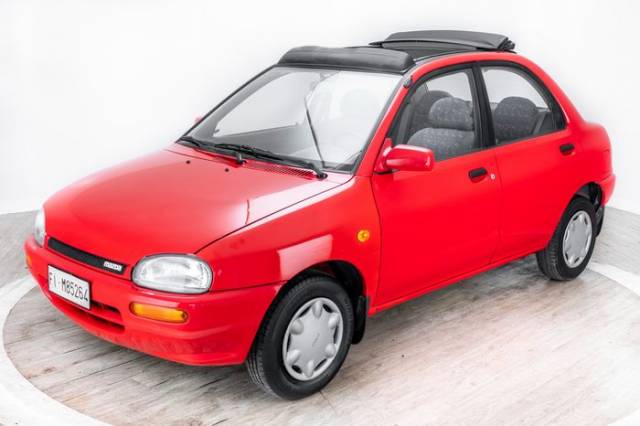
1992 | Mazda 121 1.3

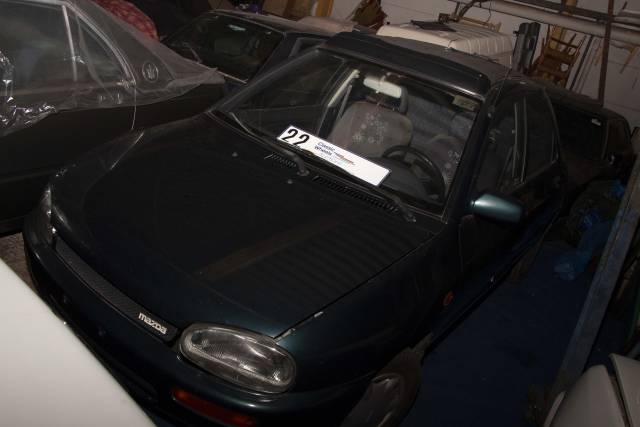
1994 | Mazda 121 1.3
Mazda 121 1994

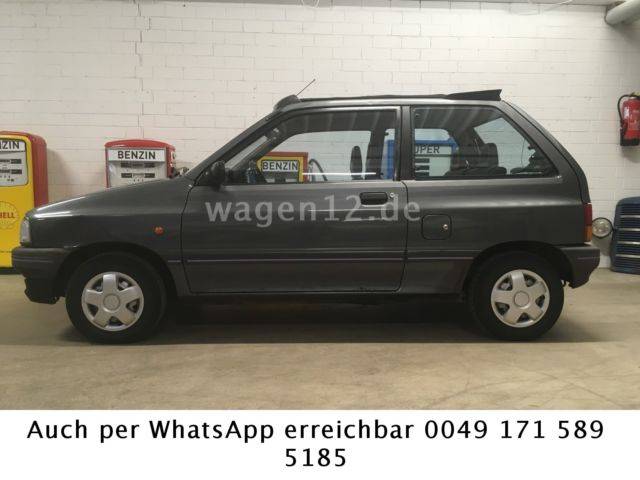
1990 | Mazda 121 1.3
Toller Cityflitzer

Mazda 121 Classic Cars: Prices & Market Values
History of the Mazda 121
Mazda has a long tradition of responding to different international markets with distinct models, and the Mazda 121 is a prime example of this strategy. First introduced in 1975 as a piston-engined version of the second-generation Mazda Cosmo sports car, the 121 name has graced several conceptually different cars until 2002. Over this timeline, it transformed from a stylish personal coupe associated with the Cosmo lineage to a series of practical, subcompact models that underlined Mazda's flexibility and engineering focus. The rapid shifts in the body styles and mechanical layouts of the 121 were closely tied to regional market demands and partnership deals, reflecting Mazda’s dynamic approach to the ever-evolving small car sector.
Model History of the Mazda 121
The 121 badge has a fragmented but fascinating trajectory. It first appeared on Cosmo-based coupés from 1975 to 1981. In the late '80s, the name returned on a version of the Ford Festiva, built as a subcompact tailored for urban driving. The 1991 shift brought the Japanese Autozam Revue to international shores as the 121—this iteration featuring a four-door sedan layout, prioritising space and versatility for small car buyers. Between 1996 and 2002, European buyers saw the 121 name on both the Mazda Demio and a badge-engineered Ford Fiesta. This constant evolution marked the 121 as Mazda’s flexible response to regional tastes and partnership opportunities.
Highlights of the Mazda 121
Throughout its production, the Mazda 121 stood out for its adaptation to diverse markets with each generation offering specific features: striking design transitions, practical dimensions, and a focus on city usability. The shift from Cosmo coupé to compact sedans or hatchbacks is a testament to the model’s adaptability. For the enthusiast, each generation of the 121 offers unique mechanical setups—rear-wheel drive origins to front-wheel drive platforms, often tied to innovative engine configurations and clever packaging.
Technical Data for Mazda 121
Special Editions and Collectible Models
Due to their history of badge engineering and market-specific production, some Mazda 121 versions may feature exclusive trim or accessory packages, particularly the European Fiesta-based models. However, no widely recognised limited editions have gained classic status so far, as the focus mainly remained on practicality and affordability.
Engine and Performance, Transmission and Handling
Performance characteristics of the Mazda 121 range are particularly tied to the specific generation. The earliest Cosmo-based models offered a smooth, comfortable ride with ample cruising capability, while later front-driven subcompacts (both Festiva- and Fiesta-derived) prioritised fuel economy, drivability in tight spaces, and simple ergonomics. The engineering focus progressively shifted from sportier to more utilitarian and reliable daily transportation, especially in urban and suburban driving scenarios. DA and DB models, which span the transition from mid-80s to the late '90s, are particularly notable given their equal representation in supply. The DA (Festiva-type) is highly sought-after in listing views, suggesting buyer preference, likely due to its honest, no-nonsense approach to subcompact motoring.
Interior, Comfort, Exterior and Design
The Mazda 121 family reflects changing design philosophies. The earliest examples leaned towards the personal luxury coupé feel with plush interior trim. Later models were influenced by both Japanese domestic taste and European partnership models, resulting in a straightforward, functional cabin, compact exterior profiles, and thoughtful packaging—like wide-opening doors and clever storage. Optional and special equipment varied widely, with some models receiving colour-contrasting interiors, unique wheel covers, or exterior details specific to market requirements.
Summary
The Mazda 121 represents one of Mazda’s most flexible nameplates, evolving to fit many automotive niches over nearly three decades. From its grand touring origins to humble, reliable runabouts, the 121 delivers a useful lesson in how car makers adapt iconic badges to suit new eras and markets. Its variety across generations presents opportunities for collectors keen on uncovering unusual small cars that escaped mainstream attention yet remain true to Mazda’s dependable engineering ethos.