Maxwell Model 25 Classic Cars for Sale
The Maxwell Model 25, featuring a 3-speed manual gearbox and famed for its resilience, is a standout among early 20th-century American tourers. Exemplars from around 1916 remain running today and are renowned for their historic achievements, including coast-to-coast journeys in harsh conditions. This model is highly appealing to those seeking authentic prewar mechanics and original condition, and it often surfaces as barn finds ideal for promotional purposes.
Search results
Currently, there are no matching listings for your search.
Create search alert
Let yourself be notified as soon as a listing is published that matches your search filters.
Create listing
Do you have a Maxwell Model 25 that you want to sell? Then create a listing now.
Create listingMaxwell Model 25 listing references from Classic Trader
Below you will find listings related to your search that are no longer available on Classic Trader. Use this information to gain insight into availability, value trends, and current pricing for a "Maxwell Model 25" to make a more informed purchasing decision.
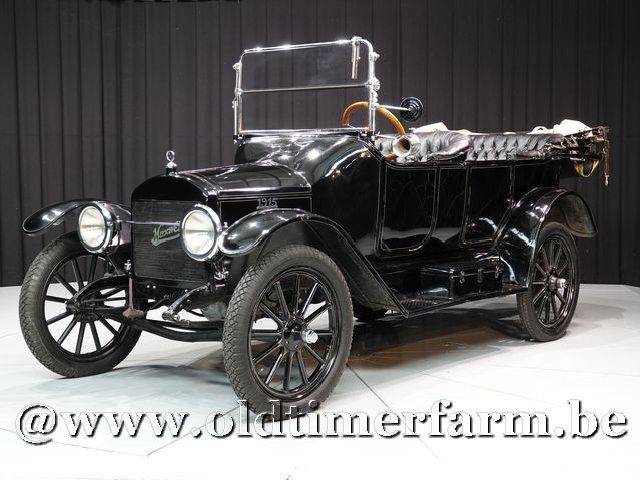
1915 | Maxwell Model 25
1915 Maxwell Tourer '15
Create search alert
Let yourself be notified as soon as a listing is published that matches your search filters.
Create listing
Do you have a Maxwell Model 25 that you want to sell? Then create a listing now.
Create listingMaxwell Model 25 Classic Cars: Prices & Market Values
History of the Maxwell Model 25
Launched in the 1910s, the Maxwell Model 25 emerged as a robust and well-built vehicle during a transformative period in American automotive history. Maxwell, already established for reliable cars, pitched the Model 25 against contemporaries from Ford and Chevrolet, focusing on superior build quality and engineering. The Model 25 gained public attention for its proven durability, notably when Tuthill and Scull completed a cross-country trip from Newark to Los Angeles and back in 1916. This demonstration doubled as an advertisement for the Maxwell’s toughness, navigating difficult winter conditions and rough early road networks. Surviving Model 25s are valued not only for their mechanical integrity but also as living witnesses to early American motoring adventures.
Model History
The Maxwell Model 25 followed earlier Maxwell tourers, taking over as a flagship for durability and practicality from around 1914. Predecessors lacked the more refined engineering and ease of use present in the Model 25, such as its 3-speed gearbox. Later, after the Chrysler takeover in the mid-1920s, Maxwell’s legacy fed directly into the design and production standards of Chrysler vehicles. While there was no direct ‘successor’ under the Maxwell name, the engineering DNA of the Model 25 lived on in the inaugural Chrysler models.
Highlights of the Maxwell Model 25
With its 3-speed manual transmission and commendable stamina, the Model 25 is evidence of Maxwell's ingenuity. It stands out for surviving genuine barn finds, often functioning after decades of storage. Its participation in notable endurance drives, like the 1916 winter coast-to-coast trip, solidified its reliability reputation. These vehicles often remain close to their original specification, further increasing their allure for events and promotions.
Technical Data
Special Editions and Collectible Models
Special status is often conferred more by originality and provenance than by official limited editions. Vehicles documented as barn finds or with a direct history tied to notable endurance journeys—such as those replicated or inspired by the 1916 transcontinental run—are especially cherished among collectors.
Weak Spots and Common Issues
Due to the age of the Maxwell Model 25, wear in drivetrain components, wiring, and frame rust are possible concerns. Mechanical parts may require bespoke restoration. Barn find specimens, though attractive, often require careful inspection for woodwork integrity and aged rubber parts. As with most vehicles over a century old, sourcing correct spares and period-correct materials is essential for authentic restoration.
Engine and Performance, Transmission and Handling
The Model 25 isn’t just a curiosity—it’s drivable. Its 3-speed box is straightforward if unsynchronised, and the engine delivers sufficient torque for touring speeds of its day. The durability was proven in real-world trials; for example, the 1916 coast-to-coast journey highlighted its stamina. These cars, when restored to factory condition, can comfortably handle parades, exhibitions, and historically themed drives. Most notable are the touring editions dating around 1916, often sought out for their documented reliability and original mechanical features.
Interior, Comfort, Exterior and Design
The Maxwell Model 25’s aesthetics typify prewar American tourers, with tall, upright bodies, spartan interiors, and lightweight construction. Materials prioritised functionality; leather and wood dominated the cockpit, offering durability over luxury. Externally, many examples retain their original coachwork. Special accessories like period luggage racks or acetylene lamps enhance authenticity, especially those cars with known original hardware. Opera windows, elaborate paintwork, or custom coachwork are less common, but occasionally found on surviving examples.
Other Features
The Model 25's value often increases when documentation or evidence of original use—such as period photos or historic registration—survives. Vehicles used in marketing or promotional displays may retain unique livery or period-correct advertising accessories, distinguishing them in the collector scene.
Summary
A Maxwell Model 25 merges historic value with genuine mechanical interest. Rare, durable, and immediately recognisable, this early American classic keeps the pioneering spirit of prewar motoring alive. For those wanting an authentic, promotional, or carefully preserved piece of motoring history, this model offers a compelling mix of originality, documented achievements, and period-correct engineering.