Marmon 75 Classic Car for Sale
The Marmon 75 stands out among pre-war American classics for its innovative engineering, generous proportions, and unique status within early luxury motoring. Discover what puts the Marmon 75 in a league of its own.
Search results
Currently, there are no matching listings for your search.
Create search alert
Let yourself be notified as soon as a listing is published that matches your search filters.
Create listing
Do you have a Marmon 75 that you want to sell? Then create a listing now.
Create listingMarmon 75 listing references from Classic Trader
Below you will find listings related to your search that are no longer available on Classic Trader. Use this information to gain insight into availability, value trends, and current pricing for a "Marmon 75" to make a more informed purchasing decision.
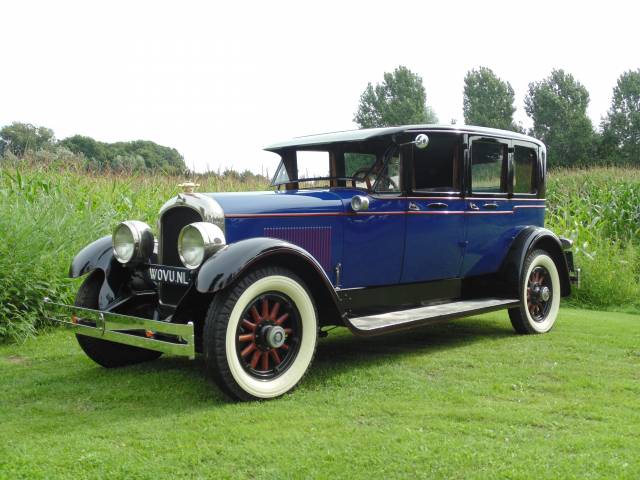
1927 | Marmon 75
Rarity

Create search alert
Let yourself be notified as soon as a listing is published that matches your search filters.
Create listing
Do you have a Marmon 75 that you want to sell? Then create a listing now.
Create listingMarmon 75 Classic Cars: Prices & Market Values
History of the Marmon 75
The Marmon 75 emerged during a transformative era in the American automotive industry. Produced by the Marmon Motor Car Company of Indianapolis, it was introduced as a flagship model showcasing advanced engineering and high-quality craftsmanship. The 75's launch marked Marmon's ambition to rival other high-end automakers, targeting buyers seeking innovation and stately motoring. While Marmon earned its early reputation with the iconic 'Wasp' winning the first Indianapolis 500, the 75 exemplified the company's expertise in luxury cars of the 1920s and early 1930s, blending powerful engines with refined design cues unique to the marque.
Model Series History
The Marmon 75 followed the earlier Marmon 34, known for its lightweight aluminium construction and advanced engineering for its time. The 75 series built on these strengths, offering greater displacement and improved comfort. While production numbers were modest compared to mainstream competitors, the 75 remains notable for being the mainstay of Marmon's luxury offering before the later introduction of the V16. The 75 represented the final phase of Marmon's dominance before the effects of the Great Depression changed the landscape for independent American luxury car firms.
Highlights of the Marmon 75
A landmark in American motoring, the Marmon 75 features a straight-eight engine, generous wheelbase, and exceptional build quality, all aimed at providing a refined yet commanding road presence. Its aluminium bodywork contributed to a relatively lightweight construction for its class, while details such as innovative lubrication systems and robust chassis components highlighted the marque's technical ambitions.
Statistically, listings data indicate that the Marmon 75 accounts for 100% of all Marmon vehicles currently available on Classic Trader, both in supply and demand, underlining its central role in the surviving legacy of Marmon automobiles.
Technical Data
Special Editions and Collectible Models
Within the 75 series, certain custom-bodied examples commissioned from prominent coachbuilders stand out for their individual specifications. These limited-production variants exhibit unique body styles, extended wheelbases, and bespoke interior finishes, making each surviving example a distinctive collector's piece.
Weak Spots and Common Issues
As with many early American luxury vehicles, sourcing original components for the Marmon 75 can present challenges. Attention should be given to the condition of the aluminium body panels, which can be susceptible to corrosion when neglected. Engine wear and lubrication system issues may arise in long-stored cars, and rebuilding suspension or braking systems could require specialist knowledge due to unique period design choices.
Engine and Performance, Transmission and Handling
The Marmon 75's inline-eight delivers substantial torque and smooth power delivery, designed for comfortable, high-speed touring on period highways. The manual gearbox requires deliberate shifting due to non-synchronised gears typical of luxury cars from this era. The ride quality, supported by long wheelbase and robust leaf springs, prioritises comfort and stability over agility. The steering feels substantial but precise, reflecting the 75's grand touring aspirations.
Popular models: The most noteworthy examples feature custom coachwork, often combining rare mechanical options with opulent interiors—making them stand out for collectors focused on period luxury and technical sophistication. undefined
Interior, Comfort, Exterior and Design
The exterior of the Marmon 75 showcases sweeping fenders, chrome trim, and an imposing grille, conveying dignity and status. Custom coachbuilders often furnished 75s with unique paint finishes, laminated safety glass, and luxurious fabrics such as mohair or leather for the interior. Instrumentation is elaborate for its time, frequently including elegant clock faces, temperature and oil gauges, and art-deco touches. Accessories like fold-out tables, robe rails, and premium lighting systems underline the bespoke luxury character of the 75.
Other Features
Period add-ons such as trunk racks, side-mounted spares, and wheel discs were popular on the Marmon 75. Some examples were equipped with early radio systems and heating units, underscoring the personalisation possibilities available to high-end buyers.
Summary
The Marmon 75 occupies a distinctive position in early American luxury motoring, marrying technical innovation with imposing style. As the definitive surviving model series from Marmon, every example represents not just sophisticated engineering, but also an era of automotive ambition and bespoke craftsmanship.