March F5000 classic car for sale
The March F5000 stands out as a purpose-built single-seater for the fiercely competitive Formula 5000 racing series of the 1970s. March Engineering's approach combined lightweight construction with high-powered V8 engines, ensuring strong competition on circuits around the globe. This model offers pure motorsport engineering and a direct link to the era's racing history.
Suchergebnisse
Zur Zeit sind keine passenden Inserate zu Ihrer Suche veröffentlicht.
Create search alert
Let yourself be notified as soon as a listing is published that matches your search filters.
Create listing
Do you have a March F5000 that you want to sell? Then create a listing now.
Create listingMarch F5000 listing references from Classic Trader
Below you will find listings related to your search that are no longer available on Classic Trader. Use this information to gain insight into availability, value trends, and current pricing for a "March F5000" to make a more informed purchasing decision.
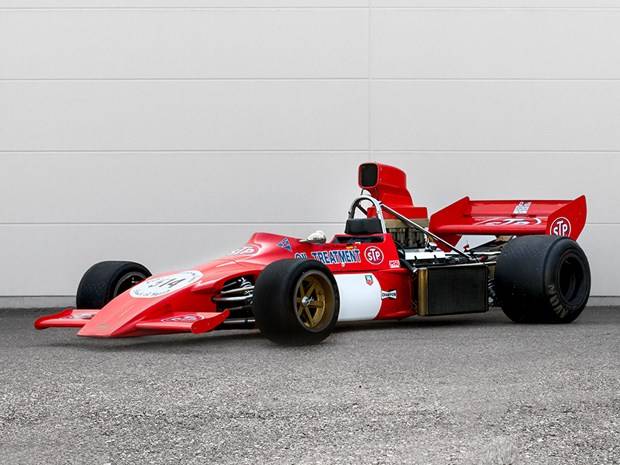
1973 | March F5000/73A
Auktion #668 Classic + Race Cars, 29.10.2016
Create search alert
Let yourself be notified as soon as a listing is published that matches your search filters.
Create listing
Do you have a March F5000 that you want to sell? Then create a listing now.
Create listingMarch F5000 Classic Cars: Prices & Market Values
History of the March F5000
March Engineering was founded in 1969 in Bicester, UK, and quickly became a dominant force in international motorsport. With the rise of the Formula 5000 series, March recognised the opportunity to design a chassis capable of handling large American V8 engines and enduring long, gruelling races. The F5000 models were specifically crafted for this category, competing in both Europe and the United States. Their engineering philosophy prioritised adaptability and repairability at the track, a significant selling point for teams facing tough season schedules.
Model History
March offered several iterations of F5000 chassis during the early to mid-1970s, notably the March 73A, 74A, and 75A, each marked by subtle improvements in aerodynamics and chassis rigidity. The model also benefited from feedback gathered through international campaigns, often leading to in-season updates. There was no direct predecessor, as March's F5000 project was tailored for this racing formula. After the decline of Formula 5000, many chassis were adapted for other categories or historic racing events.
Highlights and Special Features of the March F5000
Distinctive for their use of robust Chevrolet or Ford V8 engines, March F5000 cars feature an unmistakable mix of British chassis engineering and American power. Lightweight aluminium monocoque construction provided excellent rigidity and allowed for quick repairs after racing incidents. Adjustable suspension and modular design meant that the car could be tuned extensively for different tracks. Having been campaigned worldwide, these cars have rich racing provenance and are sought after for historic motorsport.
Technical Data
Special Editions and Collectible Models
March produced limited-run evolutions throughout the F5000 programme, with models like the 73A and 75A standing out for their continuous upgrades in weight distribution and aerodynamics. While most variants were oriented towards privateer teams, factory-supported cars with unique features occasionally surfaced and are recognised among collectors for their historical relevance in significant races.
Weak Spots and Common Issues
F5000 cars, by their very nature, require meticulous maintenance. Areas to scrutinise include the monocoque for stress cracks, especially around the suspension pickup points. Engines, particularly the large displacement V8s, are prone to wear as a result of high-load applications, demanding regular rebuilds. The Hewland gearboxes, though robust, require attention to synchros and bearings. Cooling systems, particularly after historic racing, should be checked for corrosion or blockages due to infrequent use.
Engine, Performance, Transmission and Handling
With well over 500 horsepower and a curb weight frequently under 700 kg, the March F5000 delivers brute acceleration and a formidable power-to-weight ratio that defined Formula 5000. Typically paired with 5-speed Hewland gearboxes, the cars offered rapid, precise shifts crucial to circuit performance. Adjustable suspension, broad slicks, and powerful brakes provide race-proven handling, allowing drivers to exploit the car’s full potential on track.
Popular F5000 models include: - March 73A: Known for its successful campaigns in both Europe and North America.
- March 75A: Refinements to aerodynamics and suspension geometry made this a favoured choice in later F5000 seasons.
- Chassis typically fitted with Chevrolet or Ford V8s, outputting around 500+ hp with extensive scope for tuning.
Interior, Comfort, Exterior and Design
The F5000’s minimalist cockpit is function-first—drivers interface with a straightforward instrument cluster, racing harness, and lightweight bucket seat. Exterior design reflects functional aerodynamics: deep front splitters, wedge-like body profiles, and exposed suspension elements. Livery options were determined largely by sponsors and teams, though period-correct colours and original sponsor decals often increase collectability. Factory-supplied parts included quick-release steering wheels and custom pedal boxes for driver adaptation. Aluminium cladding and riveted joints underscore the hand-crafted engineering of the period.
Other Noteworthy Aspects
Many surviving March F5000s today are maintained within historic racing communities where they compete in dedicated vintage series—this not only preserves their engineering legacy but also ensures continued availability of spares and technical knowledge. In some cases, period documentation and race history can strongly enhance a car’s appeal.
Summary
March F5000 models encapsulate a very specific era of motorsport, where ingenuity met raw power on European and American circuits. With limited supply and specialist appeal, these cars remain a fixture in historic racing circles today, prized for their authenticity, serviceability, and dynamic capabilities.