March 85B classic cars for sale
The March 85B is a purebred racing machine from the mid-1980s, built for Formula 3000 and renowned for its adaptability, particularly in the American open-wheel scene. Rarely seen outside specialist circles, the 85B attracts enthusiasts seeking a true competition pedigree.
Résultats de la recherche
À l'heure actuelle, il n'y a pas d'annonces correspondant à votre recherche.
Create search alert
Let yourself be notified as soon as a listing is published that matches your search filters.
Create listing
Do you have a March 85B that you want to sell? Then create a listing now.
Create listingMarch 85B listing references from Classic Trader
Below you will find listings related to your search that are no longer available on Classic Trader. Use this information to gain insight into availability, value trends, and current pricing for a "March 85B" to make a more informed purchasing decision.
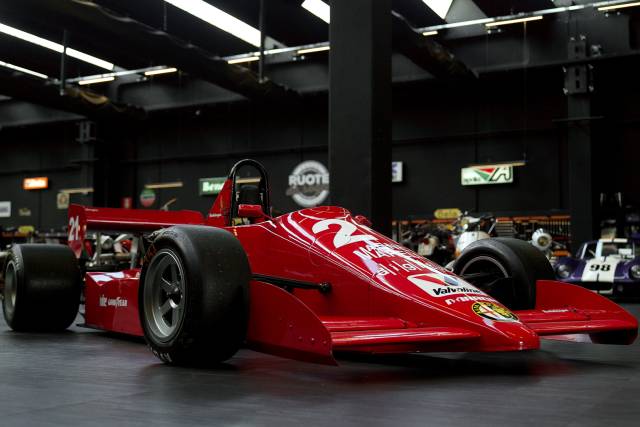
1985 | March 85B
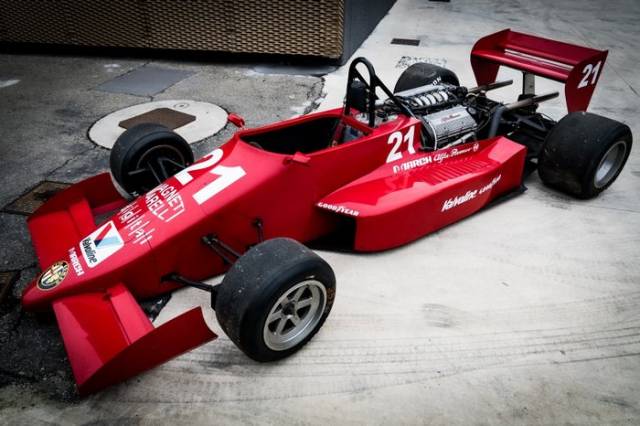
1985 | March 85B
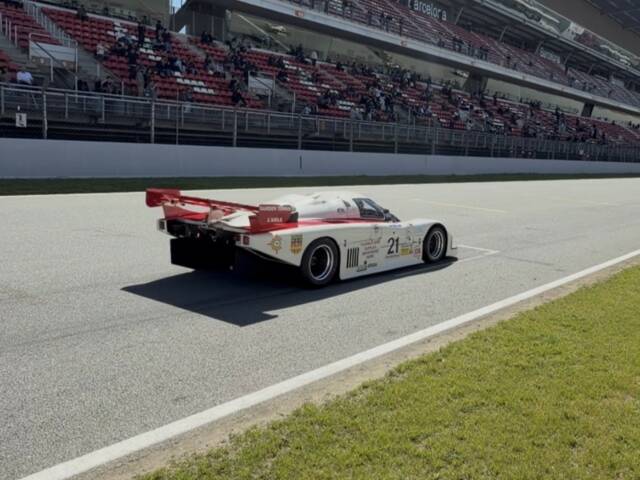
1985 | March 85B
March 85G Porsche | 1985 | Route 66 Auctions - For sale by auction. Estimate 509500 EUR
Create search alert
Let yourself be notified as soon as a listing is published that matches your search filters.
Create listing
Do you have a March 85B that you want to sell? Then create a listing now.
Create listingMarch 85B Classic Cars: Prices & Market Values
History of the March 85B
Launched by March Engineering in 1985, the March 85B played a pivotal role in the new Formula 3000 category, replacing the earlier Formula Two. Built in Bicester, England, the 85B was designed to be robust, fast, and easy to maintain—key criteria for privateer teams. Its clean, functional lines and adaptable chassis helped establish March as a dominant force during the early days of Formula 3000. In parallel, the 85B found its way across the Atlantic, being modified for the American Racing Series (later known as Indy Lights), further broadening its motorsport legacy.
Model history: From F2 to F3000 and Beyond
The March 85B originated as the follow-up to earlier Formula Two March models, benefiting from the knowledge and technology accumulated during those competitive years. The car's development coincided with the transition to Formula 3000, which brought new technical regulations and a shift from 2-litre F2 engines to 3-litre engines derived from Formula 1. Its career in Europe was notable for its consistency and reliability, while in North America, the 85B was adapted with a Buick V6 for the American Racing Series, laying groundwork for future March models in the US single-seater landscape.
Highlights and Unique Features
The March 85B stands out due to its dual role in both European Formula 3000 and the formative years of Indy Lights in the US. Its design prioritises serviceability and mechanical grip, making it a favourite in historic racing. The chassis was developed for flexibility, accepting different engines and modifications for different series, showing March’s knack for versatility.
Technical Data: March 85B
Special Editions and Collectible Models
One significant variation of the March 85B is the version adapted for the American Racing Series, where it utilised a Buick V6 pushrod engine. These US-specification cars are especially interesting for collectors because of their connection to the origins of Indy Lights.
Weak Spots and Common Issues
While no specific weak spots are documented here, race cars like the March 85B typically require regular inspection of the drivetrain and chassis components. Look out for fatigue in suspension pick-up points and thorough history regarding parts replacements. Correct set-up and attention to engine wear—especially in cars powered by period V8 or V6 blocks—are essential for longevity and performance.
Engine, Transmission, and Handling
On track, the March 85B delivers the direct, analogue feedback expected of mid-1980s single-seaters. The Cosworth V8 in European cars provided strong power delivery, while the Buick V6 in the American version offered distinctive low-end torque. Paired with a crisp manual gearbox, the 85B rewards precision and commitment, remaining a staple in historic racing events where its mechanical grip and handling can still challenge modern machinery. The standout variants include the Cosworth DFV-powered Formula 3000 cars and the American-spec Buick V6 cars. Each brings unique characteristics relevant to their racing histories and technical layouts.
Interior, Comfort, Exterior, and Design
True to its racing origins, the March 85B is pared-back, with a cockpit wrapped around the essentials: bucket seat, harness, clear instrumentation and purpose-driven controls. Weight-saving was a prime concern; no decorative trims were used. The exterior follows the classic open-wheel format: slender nose, wide sidepods, and exposed suspension. Livery customisation is common, with many cars original to their period teams’ colours or restored in historic schemes. No luxury accessories—every design feature is focused on performance and service access.
Other notable features
The adaptability of the March 85B chassis influenced later open-wheel designs, especially in its application for multiple racing regulations and markets. This adaptability makes well-maintained examples a platform of choice for historic racing applications or even track-day enthusiasts seeking genuine competition machinery.
Summary
The March 85B encapsulates a crucial era in international single-seater racing, bridging the gap between Formula 2 and Formula 3000 while also creating a legacy in North America’s open-wheel scene. Every example tells a racing story, and with 100% of March classic car activity focused on this model, it is a singular icon for collectors and racers alike.