March 721 classic cars for sale
The March 721, introduced for the 1972 Formula One season, represents a significant chapter in the history of British motorsport engineering. Powered by the formidable 3.0 L Ford-Cosworth DFV engine, this rare Formula One chassis attracts enthusiasts with its unique technical pedigree and connection to some of the sport's best-known drivers. Explore the details and significance of the March 721.
Suchergebnisse
Zur Zeit sind keine passenden Inserate zu Ihrer Suche veröffentlicht.
Create search alert
Let yourself be notified as soon as a listing is published that matches your search filters.
Create listing
Do you have a March 721 that you want to sell? Then create a listing now.
Create listingMarch 721 listing references from Classic Trader
Below you will find listings related to your search that are no longer available on Classic Trader. Use this information to gain insight into availability, value trends, and current pricing for a "March 721" to make a more informed purchasing decision.
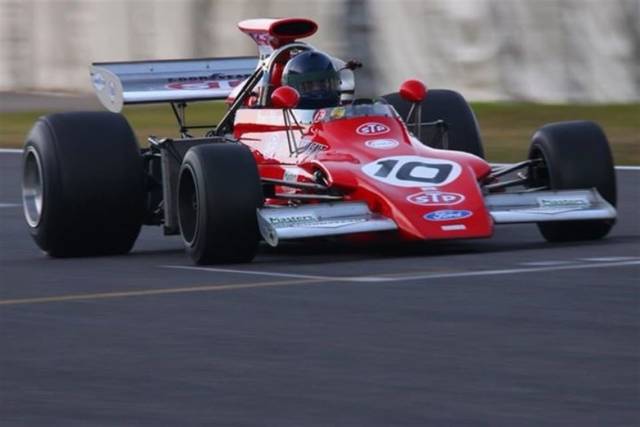
1972 | March 721G Formula 1
Has received a new FIA HTP papers, valid through December 31, 2033
Create search alert
Let yourself be notified as soon as a listing is published that matches your search filters.
Create listing
Do you have a March 721 that you want to sell? Then create a listing now.
Create listingMarch 721 Classic Cars: Prices & Market Values
History of the March 721
March Engineering presented the 721 for the 1972 Formula One World Championship as part of their ongoing effort to challenge the established works teams. Founded only in 1969, March quickly built a reputation for innovative car design and fielded cars for both works drivers and customer teams. The 721 was their response to the highly competitive era of F1, combining the proven Ford-Cosworth DFV V8 with a lightweight chassis and advanced aerodynamics for the time. Notably, the car was campaigned by drivers of renown such as Ronnie Peterson, Niki Lauda, Henri Pescarolo, Rolf Stommelen, and Mike Beuttler, each contributing to its racing pedigree through various Grand Prix entries during 1972.
Model history
The predecessor to the 721 was the March 711, a car that brought March several strong results in the hands of Ronnie Peterson during the 1971 season. For 1972, the 721 was introduced with multiple variants, adapting as the season unfolded to changing technical requirements and learnings from race experience. After the 721, March continued its Formula One journey with the 731 and subsequent models, each iterating on the concepts developed in the early '70s. While the 721 did not bring the team championship glory, it solidified March's status as a manufacturer willing to experiment and adapt in the upper echelons of motorsport.
Highlights of the March 721
The most distinguishing aspect of the March 721 is its Formula One heritage and direct association with several iconic drivers. The car was constructed with a focus on integrating the DFV V8 engine, regarded as one of the most competitive power units of its era. Its design reflects both innovation and the evolutionary strides made by March at a time when F1 saw significant changes in chassis, suspension, and aerodynamics.
Technical data
Special Editions and Collectible Models
The March 721 itself was offered in multiple configurations to suit the technical needs and feedback received during the 1972 season. Variants such as the early 721 and later adaptations (notably the 721X and 721G) reflected ongoing experimental development. These cars, while not produced in large numbers, are sought-after due to their direct connection to factory Formula One efforts and association with drivers like Peterson and Lauda.
Weak Spots and Common Issues
Due to the highly specialised nature of Formula One engineering, the March 721 requires expert attention to both its bespoke mechanical components and chassis structure. Parts availability may be limited given the small production numbers, and any restoration or maintenance work should be entrusted to specialists familiar with classic F1 technology—especially the Ford-Cosworth DFV engine and race-grade transmission components.
Engine and Performance, Transmission and Handling
With the Cosworth DFV delivering substantial power through an exceedingly light chassis, the March 721 was capable of impressive lap times when set up correctly. Its handling characteristics were defined by direct steering feedback, responsive suspension, and the need for precise tuning to suit each circuit—traits typical of early '70s Formula One machinery. Notable chassis include those driven by Ronnie Peterson, whose skill made the most of the car's technical setup. The DFV engine provided reliability and raw power, but performance varied chassis by chassis depending on setup, development phase, and driver.
Interior, Comfort, Exterior and Design
As a purebred racing car, the March 721's design prioritised function over comfort. The cockpit was minimal, focused on providing only the essentials for the driver. Externally, the 721 is notable for its slim, aerodynamic bodywork, large rear wing, and racing livery options styled after sponsors. Material choices reflected the priorities of lightweight construction, with aluminium and fibreglass prevalent throughout. Special accessories or bespoke design elements were typically limited to period-correct racing modifications rather than luxury features.
Other relevant features
The March 721's provenance is closely tied to its chassis history and documented race entries. Well-documented race cars with verifiable competition history tend to carry higher interest among collectors. Additionally, original components and period-correct restoration significantly enhance the vehicle's historical value.
Summary
The March 721 is emblematic of early 1970s Formula One, combining innovative British engineering with the legendary DFV engine and a competitive spirit. With its entire market share focused exclusively on this series, the 721 stands out not just for its rarity but also for its direct ties to Grand Prix racing history. Properly maintained examples offer a tangible link to one of motorsport's most fascinating eras.