MAN L 2000 classic vehicles for sale
The MAN L 2000 is well-known among classic commercial vehicles for its reliability and robust engineering. With its enduring build quality and technical design focused on commercial utility, the L 2000 remains a frequent sight in the classic transporter market. Discover the engineering strengths and unique features that have defined this model series since its introduction.
Search results
Currently, there are no matching listings for your search.
Create search alert
Let yourself be notified as soon as a listing is published that matches your search filters.
Create listing
Do you have a MAN L 2000 that you want to sell? Then create a listing now.
Create listingMAN L 2000 listing references from Classic Trader
Below you will find listings related to your search that are no longer available on Classic Trader. Use this information to gain insight into availability, value trends, and current pricing for a "MAN L 2000" to make a more informed purchasing decision.
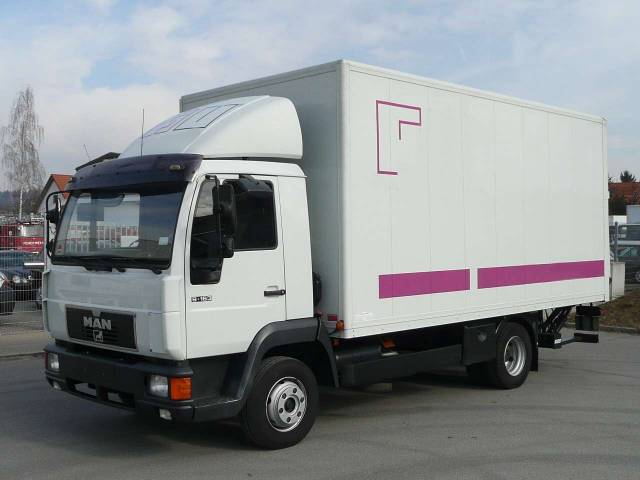
1999 | MAN L 2000
Mercedes-Benz Atego MAN 9.163 L2000 Koffer mit Hebebühne
Create search alert
Let yourself be notified as soon as a listing is published that matches your search filters.
Create listing
Do you have a MAN L 2000 that you want to sell? Then create a listing now.
Create listingMAN L 2000 Classic Cars: Prices & Market Values
History and Origins of the MAN L 2000
The MAN L 2000 series was developed as a medium-duty commercial vehicle, introduced to continue MAN’s tradition of producing versatile and dependable trucks for business and industrial use. Designed for flexibility across different applications, from local distribution to specialized utility vehicles, the L 2000 focused on efficiency, offering a range of body configurations. The model’s frame and drivetrain were optimised for daily operation and straightforward maintenance—an approach that guaranteed decades of service for many operators.
Model Evolution and Key Milestones
The L 2000 was part of MAN’s effort in the late 20th century to renew and expand their light and mid-range truck offering. This series generally succeeded earlier MAN short-haul models with improvements in engine technology, cab ergonomics, and payload versatility. Later generations led to the introduction of the LE series, which built on the L 2000’s practical foundation with upgraded drivetrains and more modern cabins.
What Makes the MAN L 2000 Stand Out
The L 2000 is notable for its straightforward, highly functional engineering. Its cab-over-engine design improves visibility and manoeuvrability in tight spaces, while the modular chassis allows for a variety of body types—making it a favourite for conversions into fire engines, delivery vehicles, and mobile workshops. Durability is a hallmark: the engines and chassis are known to withstand high mileage and demanding work cycles.
Technical Specifications
Special Editions and Collector Versions
Some examples of the MAN L 2000 found use in emergency services and municipal fleets, where they were outfitted with bespoke equipment and reinforced structures. Fire engine versions and rare low-mileage municipal trucks stand out as interesting finds due to unique adaptations, specialised paint, and additional equipment fitted from new.
Weak Spots and Common Issues
Routine maintenance for the L 2000 is generally straightforward thanks to its utilitarian build. Typical issues may involve corrosion on cab panels and wear on brake systems due to intensive usage. Engine and gearbox problems are infrequent when regular service intervals are maintained, but buyers are advised to inspect for chassis rust and oil leaks around the driveline. Cab interior plastics can show age and heavy use in commercial examples.
Engine, Transmission, and Handling
The L 2000’s diesel engines are tuned for torque rather than high-end power, supporting smooth acceleration and reliability under load. Manual transmissions are durable, with well-matched gear ratios for urban and regional use. Handling is predictable, with manoeuvrability a key strength thanks to the cab-forward configuration—allowing for tight-turning circles even in longer wheelbase models. Suspension prioritises durability over ride comfort, reflecting the truck’s hard-working intent. Noteworthy L 2000 variants include factory-built box vans, tipper trucks, and platform chassis for custom bodywork. Emergency service versions, especially those with authentic period equipment, are highly rated for their preserved specification and limited numbers.
Cabin, Comfort, Exterior, and Design Details
The MAN L 2000 features a cab-over design with a straightforward, purpose-driven appearance. Cabin ergonomics were ahead of their time, offering wide visibility and practical switching within reach of the driver. Standard cab materials favoured hard plastics and robust fabrics to withstand the demands of commercial use, with various options for seat comfort and climate control. Externally, the L 2000 is easily recognized by its clean lines, prominent MAN grille, and utilitarian bumpers. Special colour schemes and equipment arose mainly in fleet and emergency service applications, often with high-visibility paints and additional lighting. Options for auxiliary equipment included factory-fitted roof beacons, spotlights, bespoke interior shelving, and heavy-duty towbars.
Other Noteworthy Features
For classic vehicle collectors or enthusiasts, the L 2000’s adaptability to a wide array of uses means there are many unique specimens, particularly among ex-municipal vehicles. These may feature unusual bodywork, legacy livery, or specialised hydraulic accessories, adding variety to the available inventory.
Summary
The MAN L 2000 is a benchmark in classic commercial vehicle circles, valued for its durable construction, adaptable design, and straightforward mechanics. Its continued supply on the classic market and the diversity of available models make it a worthwhile consideration for those seeking a classic truck with genuine commercial heritage and unique specialist variants.