Lynx D-Type Replica classic cars for sale
The Lynx D-Type Replica is a meticulously crafted recreation of the famous Jaguar D-Type, built by British specialists Lynx. Known for its authenticity and attention to detail, this replica delivers an unrivalled driving experience for classic sports car enthusiasts. Its unique heritage and precise engineering set it apart from other re-creations on the market.
Résultats de la recherche
À l'heure actuelle, il n'y a pas d'annonces correspondant à votre recherche.
Create search alert
Let yourself be notified as soon as a listing is published that matches your search filters.
Create listing
Do you have a Lynx D-Type Replica that you want to sell? Then create a listing now.
Create listingLynx D-Type Replica listing references from Classic Trader
Below you will find listings related to your search that are no longer available on Classic Trader. Use this information to gain insight into availability, value trends, and current pricing for a "Lynx D-Type Replica" to make a more informed purchasing decision.
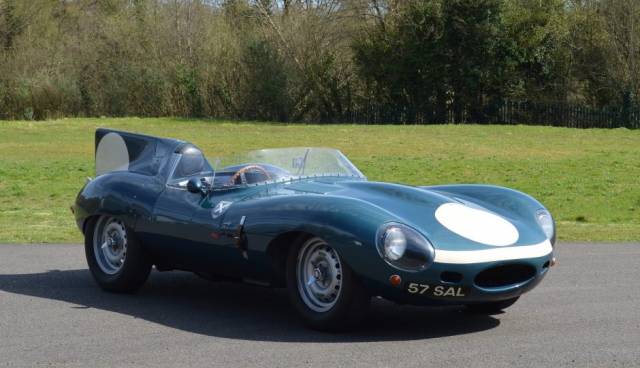
1987 | Lynx D-Type 4.2 Long Nose
Create search alert
Let yourself be notified as soon as a listing is published that matches your search filters.
Create listing
Do you have a Lynx D-Type Replica that you want to sell? Then create a listing now.
Create listingLynx D-Type Replica Classic Cars: Prices & Market Values
Introduction and history of Lynx D-Type Replica
Lynx began producing their D-Type Replica in the 1970s, responding to the enduring appeal of the original Jaguar D-Type—an endurance racing car of the 1950s famous for its Le Mans victories. Lynx quickly developed a reputation for authenticity, using original specifications, chassis layouts, and even period-correct materials wherever possible. The company's commitment to craftsmanship established the Lynx D-Type Replica as one of the most highly respected recreations, appealing to collectors looking to experience the spirit of historic motorsport without the constraints or costs of an original D-Type.
Model history
The Lynx D-Type Replica traces its lineage to the 1954-1957 Jaguar D-Type, which itself succeeded the Jaguar C-Type. While there is no direct production successor, Lynx later developed other projects including replicas of C-Type and XKSS models, catering to enthusiasts of vintage racing Jaguars. Each D-Type Replica could be ordered to customer specification, giving rise to both standard 'Short Nose' and 'Long Nose' body styles, mirroring the evolutions seen in Jaguar's own racing development.
Highlights of Lynx D-Type Replica
The Lynx D-Type Replica stands out for its faithful adherence to Jaguar’s original designs. Key features include an aluminium monocoque structure, bespoke running gear, and the option of Jaguar-sourced inline-six engines for an authentic driving experience. Details such as Dunlop-style wheels, classic switchgear, and period-correct instruments further reinforce the period accuracy. Every component is chosen for performance and authenticity, making it a frequent participant at historic racing and classic motoring events.
Technical data
Special Editions and Collectible Models
Lynx offered a range of bespoke configurations for their D-Type Replicas, including the choice between 'Short Nose' and 'Long Nose' bodywork—mirroring the factory updates seen in the 1950s. Some cars were built to exact 1955 Le Mans specification, while others incorporated period alternatives such as bonnet air scoops or aerodynamic fins. Limited builds tailored for competition or high performance are particularly desirable among motorsport enthusiasts.
Weak Spots and Common Issues
Due to their hand-built nature and use of period-appropriate materials, Lynx D-Type Replicas benefit from regular maintenance and inspection of the aluminium bodywork for corrosion or fatigue, especially around stressed chassis sections. Mechanical components such as the XK engine and driveline demand classic Jaguar specialist knowledge for optimal upkeep. Access to some bespoke or period parts may be limited, making preventative care especially important.
Engine and Performance, Transmission and Handling
Lynx D-Type Replicas deliver a raw and engaging driving experience, with the power of a tuned XK inline-six, lightweight aluminium construction, and responsive steering. The independent suspension and disc brakes provide precise handling, true to the character of mid-1950s sports racers. Gear changes are mechanical and direct, offering the analogue thrill expected from competition-inspired cars of this era. Popular variants include the 3.8-litre 'Long Nose' model, noted for its increased top speed and suitability for historic racing events thanks to its improved aerodynamics. The 'Short Nose' cars, generally fitted with a 3.4-litre engine, appeal to purists seeking the earliest D-Type experience.
Interior, Comfort, Exeterior and design
The Lynx D-Type Replica mirrors the original’s minimalist interior: bucket seats, a wood-rimmed steering wheel, toggle switches, and a compact, functional dashboard. Exterior styling incorporates distinctive elements such as the asymmetrical fin (on 'Long Nose' cars), faired-in headlamps, and a low, sleek body. Trim and paint finishes are often bespoke, with period-accurate colours and materials. Options for specialist trimmings—like racing harnesses and specific instrumentation—allow for further customisation. Accessories may include tonneau covers, bespoke wind deflectors, and historical decals, emphasising authenticity and era-appropriate flair.
Other relevant features
Many Lynx D-Type Replicas are eligible for historic racing events and rallies, especially those built to FIA specification. Their prestige as hand-crafted vehicles encourages detailed provenance records, and owners often join specialist clubs or networks to share technical resources and event information.
Summary
With its dedication to accuracy and its roots in motorsport history, the Lynx D-Type Replica occupies a unique space among classic sports cars. Representing the entirety of Lynx’s listings and demand on the Classic Trader platform, it is a focal point for enthusiasts seeking the true flavour of 1950s competition cars, supported by meticulous British engineering and a strong maintenance network.