Leyland Sherpa Classic Cars for Sale
The Leyland Sherpa stands out as a quintessential British light commercial vehicle, best recognised for its practical design, robust diesel technology and enduring popularity with businesses and enthusiasts. Distinct features such as its nine-seat configuration, versatile accessibility and unmistakably British interior provide the Sherpa with a magnetic charm for those seeking authentic classic vans.
Search results
Currently, there are no matching listings for your search.
Create search alert
Let yourself be notified as soon as a listing is published that matches your search filters.
Create listing
Do you have a Leyland Sherpa that you want to sell? Then create a listing now.
Create listingLeyland Sherpa listing references from Classic Trader
Below you will find listings related to your search that are no longer available on Classic Trader. Use this information to gain insight into availability, value trends, and current pricing for a "Leyland Sherpa" to make a more informed purchasing decision.
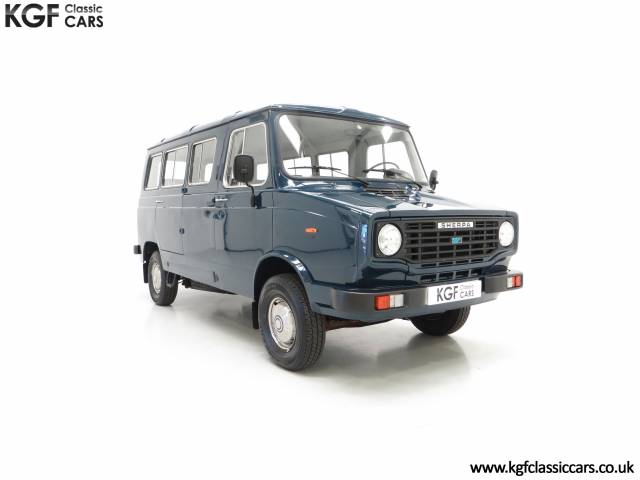
1982 | Leyland Sherpa 250
Create search alert
Let yourself be notified as soon as a listing is published that matches your search filters.
Create listing
Do you have a Leyland Sherpa that you want to sell? Then create a listing now.
Create listingLeyland Sherpa Classic Cars: Prices & Market Values
History of the Leyland Sherpa
Launched in 1974 by the Austin-Morris division of British Leyland, the Leyland Sherpa represented the evolution of the British Motor Corporation's approach to light commercial vehicles. The Sherpa's engineering reflected decades of incremental improvements, with roots in earlier BMC vans but adopting new, more modern diesel engines and practical, purpose-driven features. Production continued for decades and transitioned through several badges, underscoring the model’s resilience and importance in UK automotive history.
Model History
Initially released as the Sherpa in 1974, the model carried forward the lineage from earlier BMC light commercials, culminating in later developments as the Freight Rover and eventually the LDV Pilot, which marked the end of the series in 2005. Early Sherpas featured dedicated variants, including minibuses and vans, with flexible seating and access options. The simple, robust platform maintained relevance throughout fleet and private use, bridging several generations of light commercial vehicles.
Highlights of the Leyland Sherpa
The Leyland Sherpa 250 Minibus left the factory specifically for passenger transport, featuring nine proper forward-facing seats, sliding windows, and armrests as standard. Door access on the sides and rear, integrated stepping boards, and durable rubber mats made for highly functional entry and transit. Signature features include factory-fitted info plaques, distinctive British interior aroma, and rugged utilitarian engineering. Safety equipment like warning triangles, as well as practical additions such as mudguards and sump guards, underline its focus on reliability and safety. Factory options included single-colour gloss paint or Leyland-standard livery.
Technical Data
Special Editions and Collectible Models
Among the most sought-after variants is the Sherpa 250 Minibus, recognisable by its authentic factory configuration, original seats, and British-market detailing. Vehicles retaining untouched floor coverings, original toolsets, and period-specific badging often attract special attention from enthusiasts interested in period-correct originality.
Weak Spots and Common Issues
While the Leyland Sherpa’s durable construction is widely praised, factory-applied underbody protection could be incomplete or poorly finished, making early corrosion a recurring issue. Some vehicles exhibit visible weld seams and paint runs from the outset. Simplistic diesel pre-heating is practical but requires regular attention. Despite overall robust engineering, proper rust prevention and regular maintenance of brakes, undercarriage, and interior trim are important for longevity.
Engine, Performance, Transmission, and Handling
Sherpas with the classic B-Series diesel deliver approximately 52 PS and 107 Nm torque, prioritising durability and usability over pure performance. The four-speed, fully synchronised gearbox and simple rear-wheel drive setup offer uncomplicated maintenance and service. Hydraulically assisted brakes guarantee stable deceleration, even with a full passenger load. Handling reflects its utilitarian purpose—solid, straightforward, and predictable when kept within original specifications. - Sherpa 250 Minibus: Factory passenger model.
- BMC B-Series Diesel: 1798 cm³, 52 PS, 107 Nm, four-speed manual.
- 195 R14C tyres: Enhanced load capacity for transport focus.
Interior, Comfort, Exterior, and Design
Sherpas feature a unique British interior aroma, wood veneer dashboards, stowage compartments, and robust switchgear. Standard trim included rubber ribbed flooring, sun visors, and comprehensive gauges (fuel, temperature, tachometer). The factory gloss paint or Leyland livery allowed individuality, while utilitarian flourishes—like exposed welds, original tool kits, and stainless wheel covers—provided character. Practical body elements such as sliding windows, uncompromising black bumpers, and factory-fitted info plaques reinforce the Sherpa's no-nonsense aesthetic. Optional extras included unique colours and utilitarian upgrades focused on daily usability and resilience.
Other Relevant Features
Original Sherpa documentation, manuals, and period brochures often accompany well-preserved examples, adding value for enthusiasts. British market versions are characterised by certain details such as unique interior aromas and specific factory markings rarely found in imports. Historic advertising frequently referenced the 'Sherpa – Loads Better' slogan, reflecting the van's emphasis on practicality and ease of use for small businesses.
Summary
The Leyland Sherpa, particularly the 250 Minibus variant, offers a distinctly British mix of practicality, robust diesel engineering, and characteristic design. Factory features like durable seating, purposeful instrumentation, and authentic original details set it apart from many contemporaries. Enthusiasts value originality—factory paint, accessories, interior trim, and documentation—when seeking out surviving examples for restoration or preservation.