- Coche
- Lea-Francis
- Lea-Francis W-Type (0 ofertas)
Lea-Francis W-Type classic cars for sale
The Lea-Francis W-Type stands out among British vintage cars due to its rarity and engineering focus. This model series is valued by connoisseurs for its fine driving dynamics, distinctive design and scarcity, as evidenced by its unique presence in today's classic car offerings.
Resultados de la búsqueda
Actualmente no hay anuncios que coincidan con su búsqueda.
Create search alert
Let yourself be notified as soon as a listing is published that matches your search filters.
Create listing
Do you have a Lea-Francis W-Type that you want to sell? Then create a listing now.
Create listingLea-Francis W-Type listing references from Classic Trader
Below you will find listings related to your search that are no longer available on Classic Trader. Use this information to gain insight into availability, value trends, and current pricing for a "Lea-Francis W-Type" to make a more informed purchasing decision.
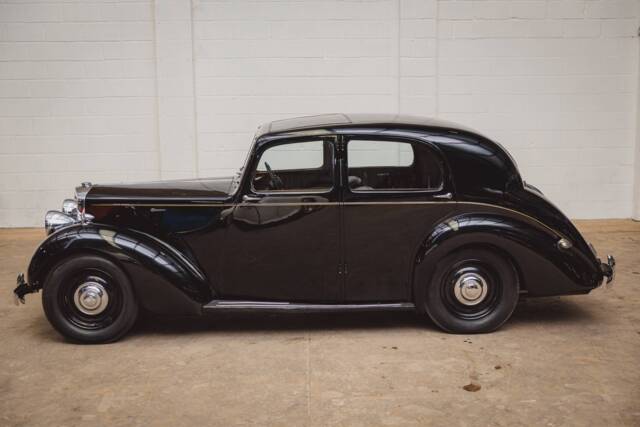
1930 | Lea-Francis W-Type 12/40
Delightful Example - Over £4k Recently Spent
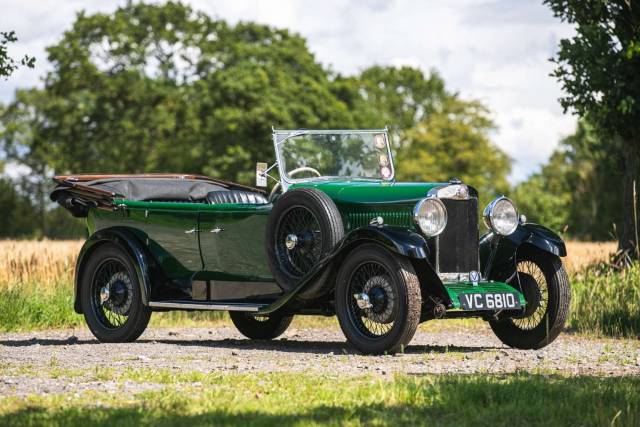
1931 | Lea-Francis W-Type 12/40
1931 Lea-Francis 12/40 HP P-Type Open Tourer
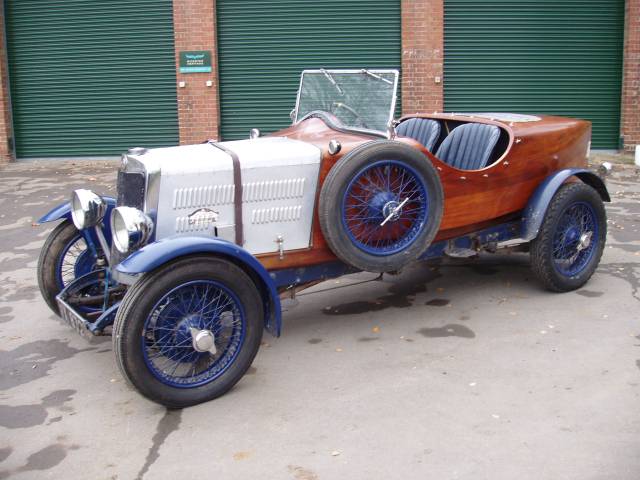
1930 | Lea-Francis W-Type 12/40
Create search alert
Let yourself be notified as soon as a listing is published that matches your search filters.
Create listing
Do you have a Lea-Francis W-Type that you want to sell? Then create a listing now.
Create listingLea-Francis W-Type Classic Cars: Prices & Market Values
History of the Lea-Francis W-Type
Lea-Francis, rooted in British automotive tradition, introduced the W-Type series in the post-war period, leveraging expertise in lightweight construction and precision engineering. Predominantly manufactured after World War II, these cars established the brand’s reputation for quality among enthusiasts. The W-Type was developed during a time of both constraint and innovation, with Lea-Francis continuing to utilise its in-house engines and a focus on sporting road cars. Production numbers were always low, making each surviving example significant for collectors and historians alike.
Model History
The W-Type followed earlier Lea-Francis successes in the 1930s, such as the 12 and 14HP models. Its direct predecessors were primarily pre-war sporting saloons and tourers. The range expanded into several sub-variants, yet all W-Type vehicles were built in notably limited quantities. After production ceased, Lea-Francis pivoted to focus on smaller production runs and new engineering projects, as shifting market conditions in the 1950s made it hard for small British marques to compete with mass producers.
Highlights and Features
Every W-Type reflects the maker’s meticulous approach: robust in-line four-cylinder engines, hand-built chassis, and balanced suspension. The rarity of the W-Type cannot be overstated; supply statistics show this series accounts for 100% of Lea-Francis classics listed on the current market, confirming its status as the definitive model for this brand. Demand matches supply with an identical share, demonstrating concentrated collector interest in the W-Type compared to other Lea-Francis vehicles, which rarely if ever appear in trading circles.
Technical Data
Special Editions and Collectible Models
Lea-Francis produced only a handful of W-Type sub-models and bodystyles, including tourers and saloons, often built to order. Some units were fitted with custom coachwork by independent British bodybuilders, creating unique versions that are highly regarded among marque specialists for their rarity and craftsmanship.
Weak Spots and Common Issues
Authenticity of parts can be a challenge due to limited production numbers and the niche aftermarket network for Lea-Francis classics. Typical concerns involve corrosion on bodywork and chassis, especially in vehicles not stored appropriately, and wear in suspension components. Engine spares and specialist knowledge are available through dedicated owners’ clubs.
Engine, Performance, Transmission and Handling
W-Type models were engineered for a balanced driving experience. Their four-cylinder engines are responsive and, paired with a manual gearbox, deliver a tactile, engaging feel characteristic of British cars from the period. The independent front suspension enables confident cornering and comfort over uneven roads, while the conservative overall weight emphasises agility. The W-Type was commonly used in period motoring events, and examples with sporting bodywork remain notable for their competitive spirit. Tourer versions are highlighted for their reduced weight and open body design, which accentuate the model’s agile dynamics and driver engagement.
Design: Interior, Comfort and Exterior
The W-Type’s design exemplifies post-war British restraint with its clean, understated lines and modest chrome detailing. Interiors were typically trimmed in genuine leather and walnut veneer, with instruments logically laid out for ease of use. Exterior colour options tended towards rich, deep hues that accentuated the hand-made aspect of each car. Various coachbuilt bodies, some featuring custom luggage racks or period rally accessories, further ensure that no two W-Types are completely alike. Owners could opt for additional fog lamps, bespoke wire wheels or period-correct radios to individualise their vehicle.
Other Notable Features
W-Type vehicles are valued just as much for their mechanical simplicity as for their historical position, representing one of the last truly hand-built British sporting cars before the market shifted to volume manufacturing. An active Lea-Francis owners’ club supports restoration and regular meets, ensuring technical knowledge is passed on to new enthusiasts.
Summary
The Lea-Francis W-Type appeals to buyers seeking an authentic slice of British motoring history. Its combination of technical ingenuity, hand-built charm and rarity ensures lasting interest among classic car aficionados.