Lanz D classic tractor for sale
The Lanz D series enjoys cult status among classic tractor fans, thanks to its unmistakable engineering and robust semi-diesel engines. With a heritage rooted in German engineering and models ranging from unrestored to expertly restored, these tractors attract collectors and professionals alike for their reliability and mechanical character.
Search results
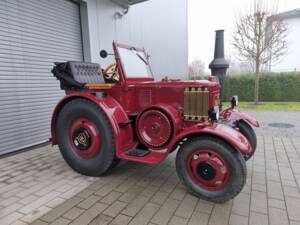
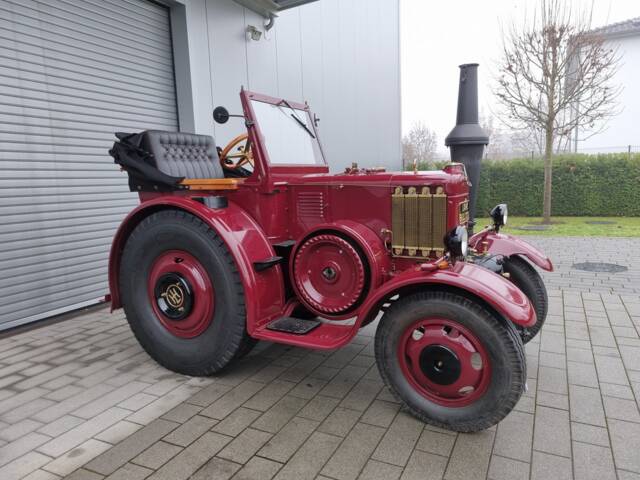
1938 | Lanz D 9531 Eil-Bulldog
Top restored and fully functional

Lanz D listing references from Classic Trader
Below you will find listings related to your search that are no longer available on Classic Trader. Use this information to gain insight into availability, value trends, and current pricing for a "Lanz D" to make a more informed purchasing decision.
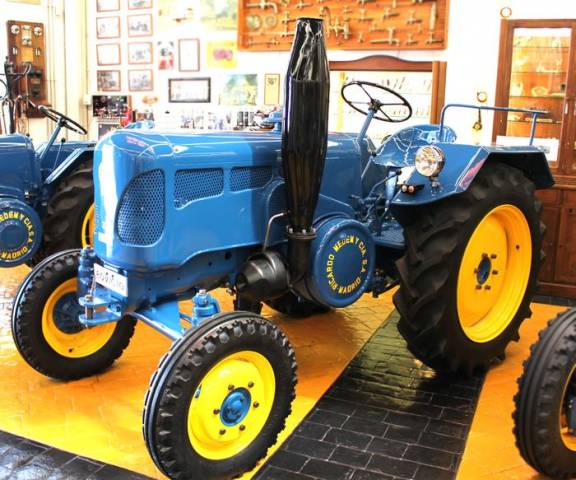
1960 | Lanz D 2016 Bulldog

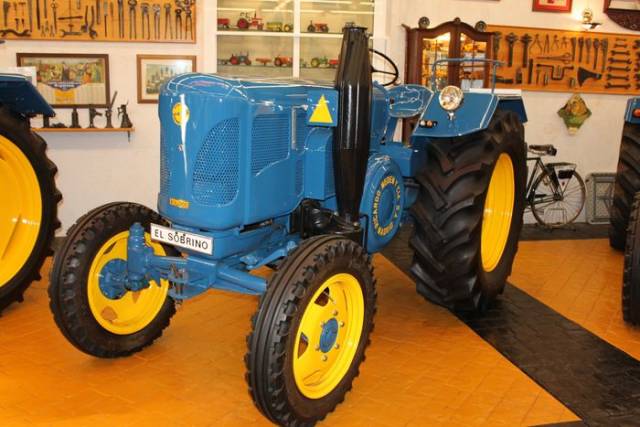
1960 | Lanz D 2016 Bulldog
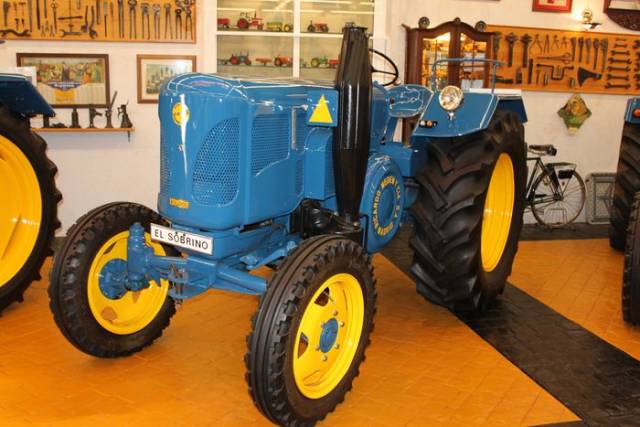
1960 | Lanz D 4016 Volldiesel
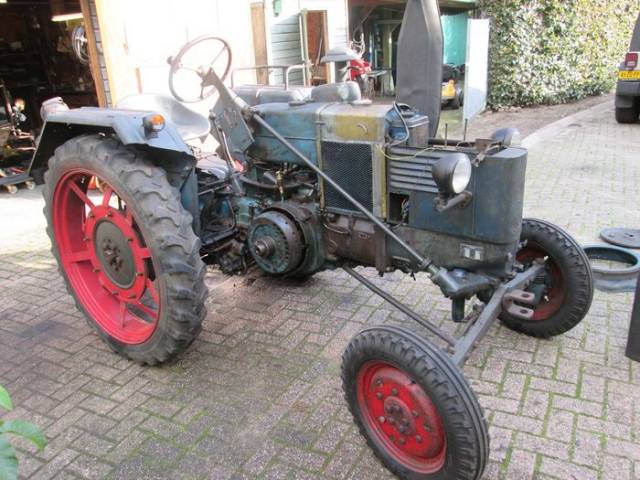
1953 | Lanz D 2206 Bulldog
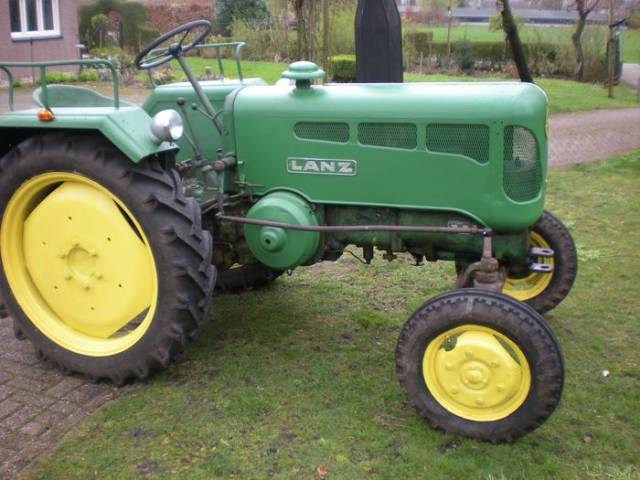
1963 | Lanz D 2016 Bulldog
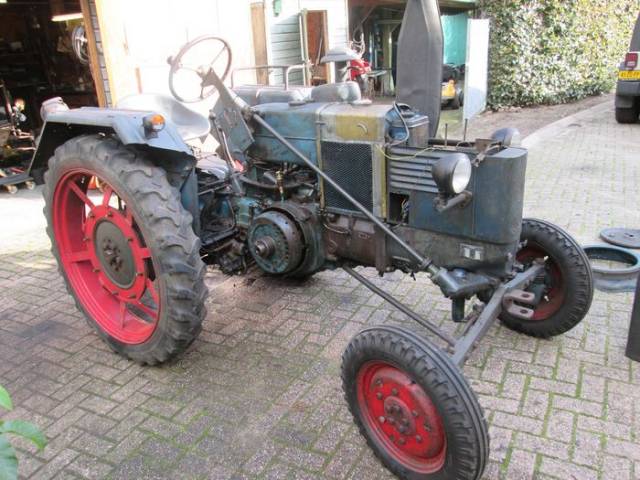
1953 | Lanz D 2206 Bulldog
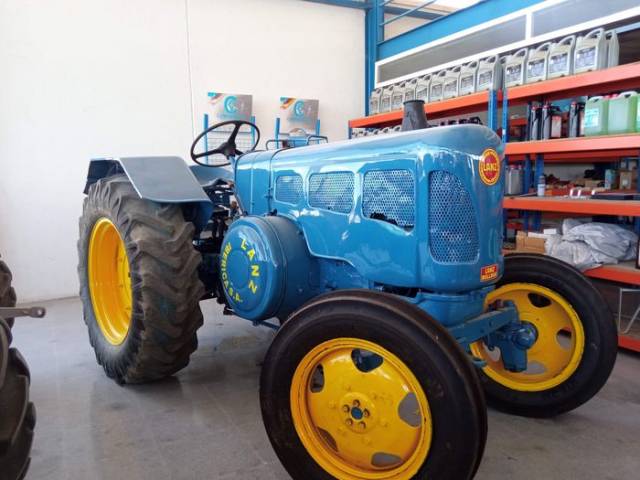
1960 | Lanz D 2016 Bulldog
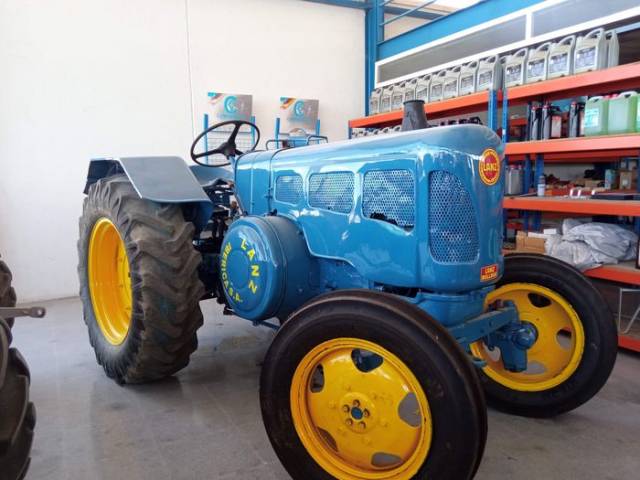
1960 | Lanz D 2016 Bulldog
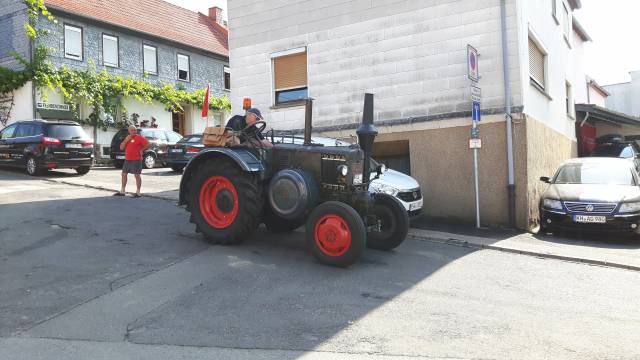
1942 | Lanz D 8506 Ackerluft-Bulldog
8506, neue Bereifung, gefederter Doppelsitz, Anhängerkupplung, Ackerschiene
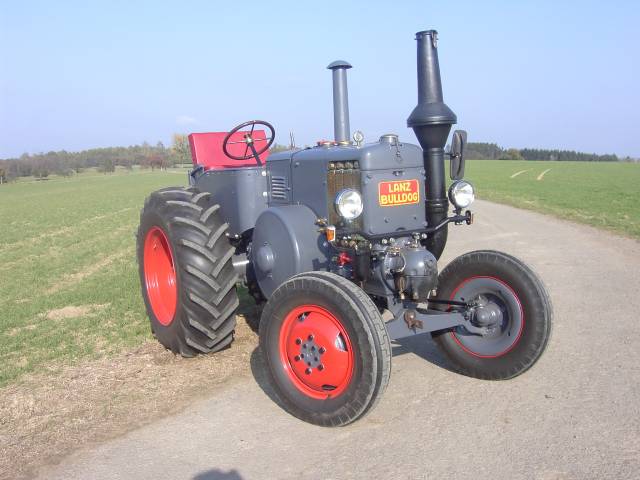
1950 | Lanz D 9506 Ackerluft-Bulldog
Lanz Glühkopfbulldog
Lanz D Classic Cars: Prices & Market Values
History of Lanz D Series
The Lanz D series represents a pivotal era in agricultural machinery, produced by Heinrich Lanz AG well into the 1960s. Particularly distinctive for their semi-diesel (Halbdiesel) engines, Lanz Bulldog tractors were renowned across Europe for their rugged simplicity and operational durability. The D series cemented Lanz’s reputation, building upon the brand’s expertise with robust clutch, gearbox, and brake assemblies that stood up to the demands of rural life. The last Lanz Bulldogs, as the John Deere takeover loomed, even left the Mannheim factory adorned in John Deere’s green and yellow—a testament to their enduring influence on later tractor designs.
D Series Model History
Lanz’s D series comprises multiple model variants including the 1616, 30, 40, and 2206, each representing slight evolutions in technical features or intended market. Earlier models benefited from Lanz’s experience with hand-cranked flywheels and basic electric starters, while later D-series machines incorporated hydraulic systems and safety cabs. Some units, especially toward the end of production, were assembled by Lanz Ibérica in Madrid, highlighting the international demand for these tractors. The D series followed earlier Bulldog lines and set a standard that saw some technical aspects adopted by subsequent John Deere tractors after their acquisition of Lanz.
Lanz D Series: Stand-Out Features and Market Data
Lanz Bulldog D tractors are fundamentally defined by their semi-diesel engines, straightforward mechanics, and the notable presence of robust electrical elements such as ignition coils in the Halbdiesel models. Distinctive features include optional factory cabs, factory-original paintwork, and the ability to be found both unrestored or meticulously brought back to factory condition. Accessories such as hydraulic kits and safety cages mark late-series and custom models. Their appeal also persists because of reliable running gear and drivetrains, which have continued to function for decades with minimal intervention.
Technical Data
Special Editions and Collectible Models
Certain Lanz D series units produced under Lanz Ibérica in Madrid are notable for their regional differences and unique build characteristics. Another rare collectible category includes the final series manufactured in original John Deere colours, symbolising the transition phase and adding historical intrigue for collectors.
Weak Spots and Common Issues
While Lanz D tractors have a reputation for durability, prospective buyers should pay close attention to the state of clutch and gearbox assemblies, particularly in unrestored models. Electrical issues with the ignition system can arise on semi-diesel versions, often due to aging coils or wiring. Original paint and sheet metal components are valued, but corrosion is possible where the vehicle’s use or storage history is unknown. Overall, basic mechanics enable straightforward repairs, but restoration parts authenticity should always be verified.
Engine Performance, Transmission and Handling
The proven semi-diesel engines of the D series balance torque with relatively simple maintenance, making these tractors popular with both hobbyists and professionals. The mechanical design ensures ease in starting (via flywheel or starter motor), smooth engagement of power through robust gearboxes, and reliable braking even after decades of use. Hydraulics, when present, expand utility for agricultural attachments. - Lanz D 1616: Known for its mechanical reliability and robust semi-diesel operation.
- Lanz D 2206: Favoured for its advanced hydraulic system and late-series safety improvements.
- Lanz D 30: A proven workhorse with straightforward mechanics and a reputation for dependability.
Interior, Comfort, Exterior and Design
Lanz D tractors favour functionality, with interiors focused around unembellished metal seating, clear controls, and optional enclosed cabs for later models. Exteriors are typically presented in the classic Lanz blue and grey or the later John Deere green and yellow. Distinctive design features include pronounced flywheels, simple tubular frames, and period-accurate emblems—elements often preserved or carefully replicated in restorations. Special accessories such as hydraulic couplings and safety cages cater to advanced uses and collector preferences.
Other Noteworthy Features
Lanz D series tractors are frequently found offered without papers, particularly when intended for historic registration, and many retain full sets of original covers and paintwork. Farmers and collectors value these tractors not only for their ease of use, but also for their straightforward mechanical layouts, making ongoing maintenance and repairs decidedly manageable.
Summary
The Lanz D series represents the backbone of the Lanz legacy within the classic tractor scene. With a massive presence in the classic market, strong demand, rugged engineering, and historical transitions between German and international manufacturing, D tractors epitomise the blend of robust design and technical evolution. Their continued appeal is rooted in practicality, mechanical transparency, and the unmistakable presence of a bygone era of agricultural engineering.