- Car
- Kaiser Jeep(1 offer)
Kaiser Jeep Classic Cars for Sale
Kaiser Jeep stands for authentic American off-road power and robust vehicles with deep military roots. Produced from the 1950s to the 1970s, these models such as the CJ-3B and Wagoneer combine original engineering with historical significance, attracting enthusiasts for their durability and classic design.
Search results
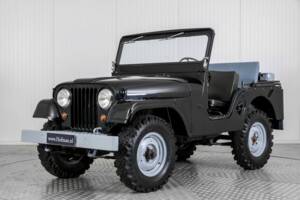
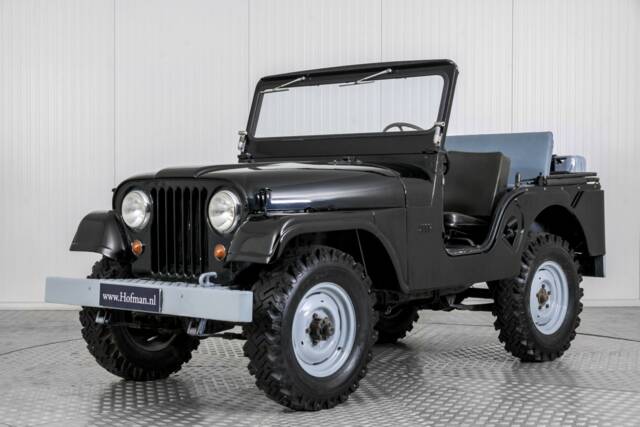
1969 | Kaiser Jeep CJ-5
Jeep kaiser CJ5

Kaiser Jeep listing references from Classic Trader
Below you will find listings related to your search that are no longer available on Classic Trader. Use this information to gain insight into availability, value trends, and current pricing for a "Kaiser Jeep" to make a more informed purchasing decision.
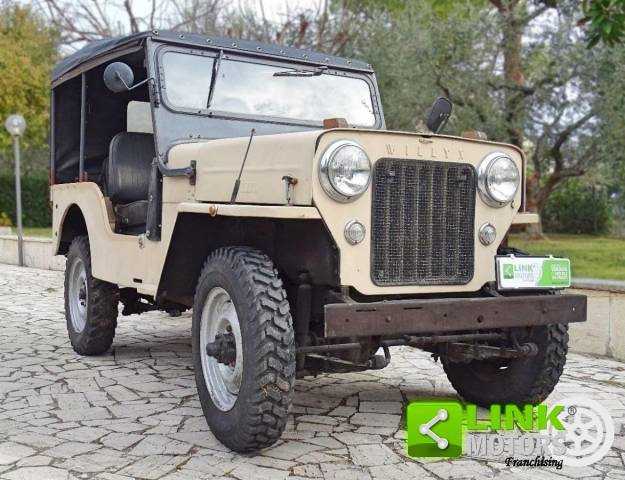
1953 | Kaiser Jeep CJ-3B
JEEP - WILLYS CJ 3B 1953

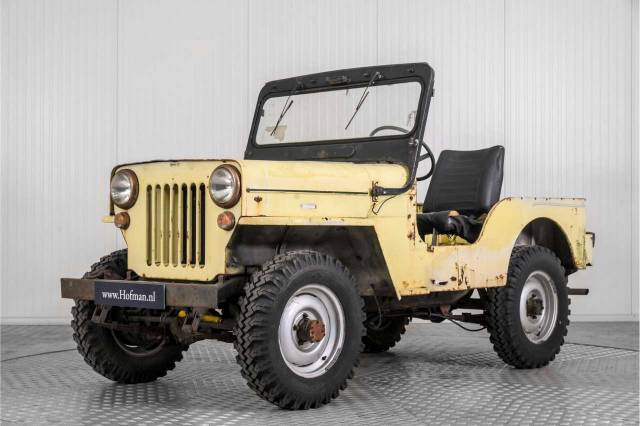
1955 | Kaiser Jeep CJ-3B
Oldtimer Willys CJ3 B M38A1
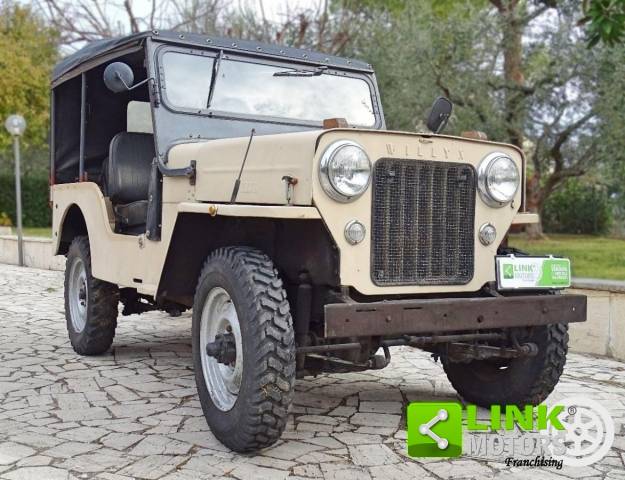
1984 | Kaiser Jeep CJ-3B
Jeep CJ 3 B
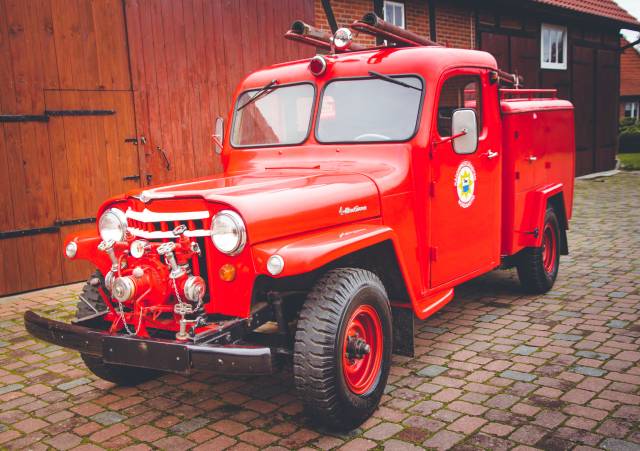
1957 | Kaiser Jeep CJ-6
Kaiser Willys Feuerwehr im original Zustand

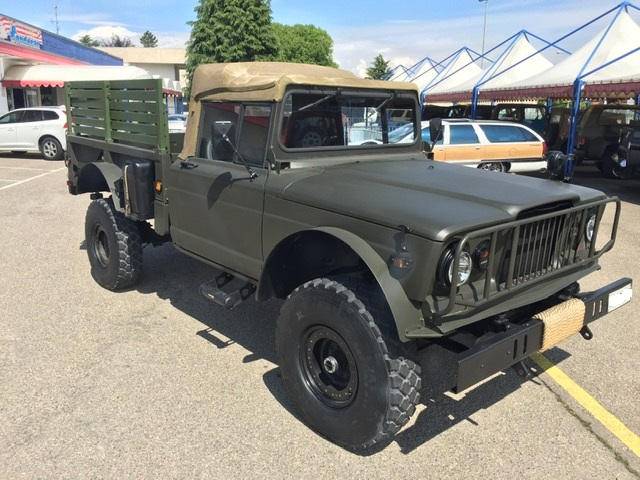
1968 | Kaiser Jeep M 715
KAISER M715 - 5.700 V8 Chevy - 4 M
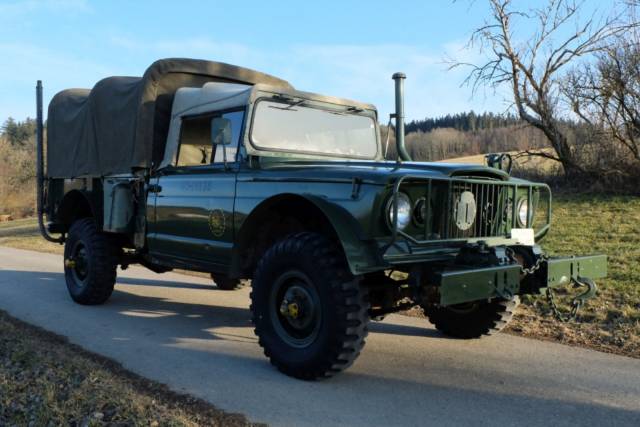
1967 | Kaiser Jeep M 715
Jeep Kaiser M715 U.S. Army
History of Kaiser Jeep
Kaiser Jeep originated from the 1953 merger between Kaiser Motors of Willow Run, Michigan, and Willys-Overland of Toledo, Ohio. This partnership aimed to unite both brands’ strengths, especially after Kaiser ceased American passenger car production to concentrate on utility vehicles. The result was a focus on rugged, purpose-built off-road vehicles – especially the Jeep lineage, maintaining strong connections to its military heritage. Throughout the 1960s, Kaiser Jeep introduced civilian models like the CJ series, mainly derived from successful military Jeeps of World War II. In 1970, American Motors Corporation (AMC) acquired Kaiser Jeep, eventually leading to further evolution under Chrysler from 1987 onward. While the passenger car segment was discontinued, the Jeep name flourished, laying the groundwork for today’s renowned SUV culture.
Model History
Kaiser Jeep’s portfolio included pivotal models that set standards for both utilitarian and leisure motoring. The CJ-3B, introduced in civilian production following military service, provided a practical yet rugged option for off-road drivers. The Wagoneer, released around 1962/63, replaced earlier 1940s wagon models and is considered a pioneer of the SUV class, with production lasting until 1991. The FC-150 and FC-170 Forward Control pickups expanded the range in 1957, catering to varied utility needs. The Jeep CJ-5 also became available during the Kaiser Jeep era, contributing further to the brand’s enduring popularity. Each model transition, such as from the CJ series to the later Wrangler, marks a step in Jeep’s technological and ergonomic development.
Highlights and Market Statistics
Kaiser Jeep’s classic models, particularly the CJ-3B and Wagoneer, stand out for their robust engineering and continued cult interest. The CJ-3B showcases the evolution from military to civilian use, with a distinctive high-hood design accommodating larger engines. The Wagoneer introduced luxury elements to all-terrain vehicles long before the SUV term was coined. Both were available in several body configurations, from pickup to convertible. Period-correct details like fold-down windshields and mid-century safety features such as seat belts further highlight their era-specific qualities.
Technical Data
Special Editions and Collectible Models
Within the Kaiser Jeep range, special factory configurations such as the Wagoneer Custom and limited production pickups (like export-only Forward Control variants) have become prized among collectors. The Jeepster Commando, with its convertible and pickup versions, also stands out for unique styling and rarity. Enthusiasts value original equipment and period accessories, as many vehicles saw service or harsh use, making preserved examples especially notable.
Weak Spots and Common Issues
As with many off-roaders of the era, chassis corrosion is a major concern, especially for vehicles exposed to moisture or road salt. Mechanical components like the manual transmission and leaf-spring suspension generally last with proper upkeep, but worn bushings and leaky axles are typical wear items. The minimalist interiors can show substantial wear, and sourcing authentic trim parts sometimes proves challenging. Electrical systems, particularly in models adapted from military sources, may require overhaul to meet civilian standards.
Engine and Performance, Transmission and Handling
The CJ-3B and early Wagoneer models excel in off-road prowess rather than outright speed. Both rely on reliable naturally aspirated engines and 3-speed manual transmissions delivering predictable torque to all four wheels. The Wagoneer introduced a blend of on-road comfort and off-road capability with coil front springs and an available automatic transmission in later versions. Handling is straightforward, with heavy, direct steering and a solid ride typical of body-on-frame construction. - CJ-3B: Noted for its high-hood design and simplicity, ideal for rugged terrains and easy maintenance.
- Wagoneer: Marks a transition to greater comfort, improved ride quality and versatility, setting the template for future SUVs.
- CJ-5: Further refinement of the CJ concept, offering a balance of off-road ability and basic practicality.
Interior, Comfort, Exterior and Design
Kaiser Jeep aesthetics embrace utility: flat fenders, upright bodies, and easily replacable panels feature prominently. The CJ-3B’s tall bonnet houses a taller engine, giving it a unique stance among Jeeps. Interior accommodation is spartan but straightforward, with durable materials and practical layouts. The Wagoneer shifted towards greater comfort, with plush bench seats, wood trim on some models, and improved weather insulation. Period accessories include optional soft tops, chrome details, and configurable interiors for cargo or passenger use. Distinct colour palettes, including military greens and civilian reds and blues, reflect the diverse uses these vehicles were tailored for.
Other Noteworthy Details
Some Kaiser Jeep models were assembled abroad, notably in Argentina, where production continued after the brand’s US passenger car lines were discontinued. This international legacy has made certain export variants especially notable among collectors. Jeep’s adaptation for both military and civilian service is reflected in their unique features and availability of parts.
Summary
Kaiser Jeep classic vehicles represent a vital chapter in the evolution of off-road mobility, blending military heritage with the practical needs of postwar America. Their influence stands out in the continued popularity of utility vehicles and SUVs today. Favoured by enthusiasts for their sturdy build, straightforward mechanics, and connection to automotive history, Kaiser Jeep’s CJ-3B, Wagoneer, and niche models offer rich variety for anyone seeking a classic American 4x4.