Jeep Jeepster Classic Cars for Sale
The Jeep Jeepster stands as a compelling example of post-war American innovation, bridging the gap between rugged commercial use and civilian driving pleasure. Its distinctive body design, a variety of engine options, and its place as a precursor to today’s crossovers attract enthusiasts of both history and engineering.
Search results
Currently, there are no matching listings for your search.
Create search alert
Let yourself be notified as soon as a listing is published that matches your search filters.
Create listing
Do you have a Jeep Jeepster that you want to sell? Then create a listing now.
Create listingJeep Jeepster listing references from Classic Trader
Below you will find listings related to your search that are no longer available on Classic Trader. Use this information to gain insight into availability, value trends, and current pricing for a "Jeep Jeepster" to make a more informed purchasing decision.
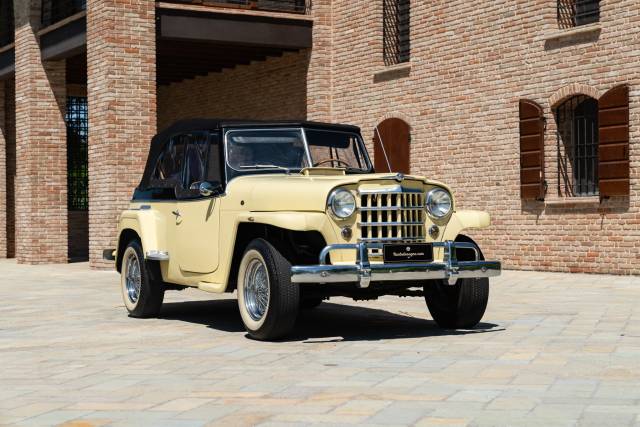
1950 | Jeep Willys Overland Jeepster

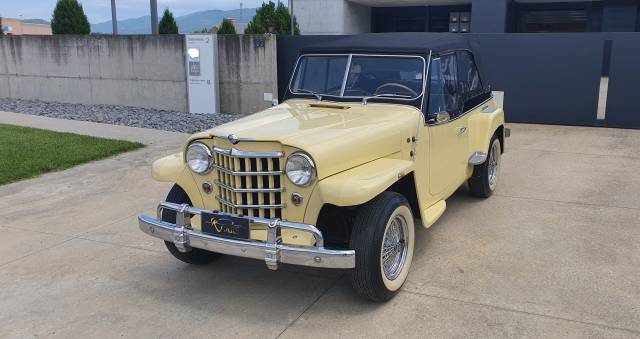
1950 | Jeep Willys Overland Jeepster
INCREDIBLE RESTORATION !!!
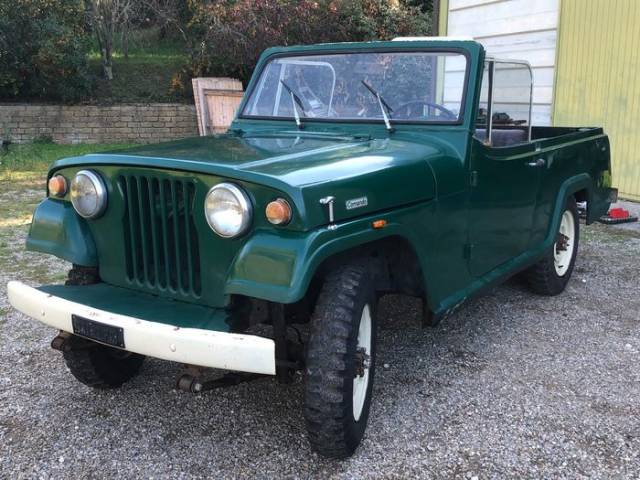
1979 | Jeep Jeepster Commando C-101

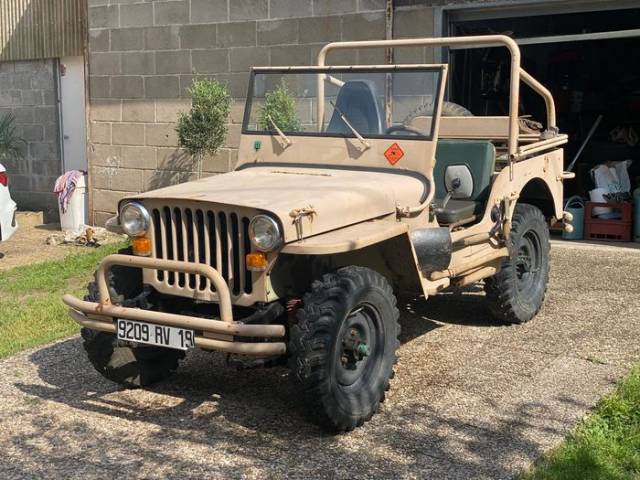
1950 | Jeep Willys Overland Jeepster
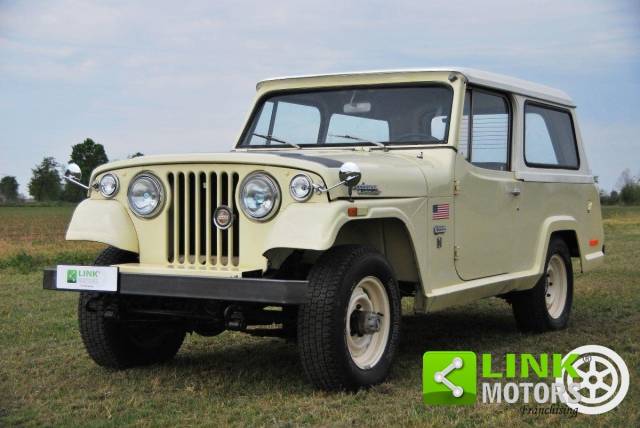
1972 | Jeep Jeepster Commando C-101
Jeep Jeepster Commando C101 Station Wagon 3.7 V6
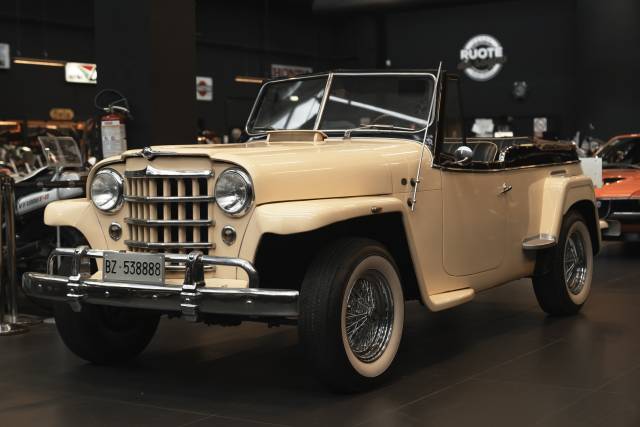
1950 | Jeep Willys Overland Jeepster
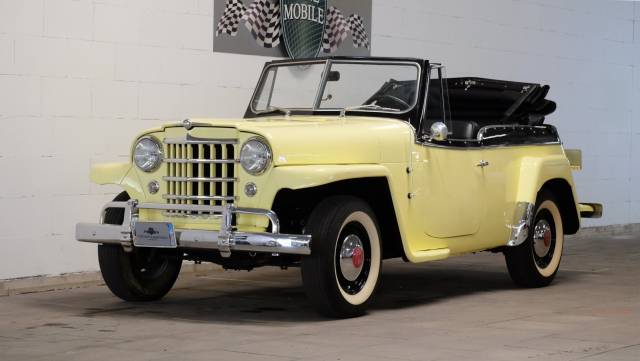
1950 | Jeep Willys Overland Jeepster
473-VJ Cabrio

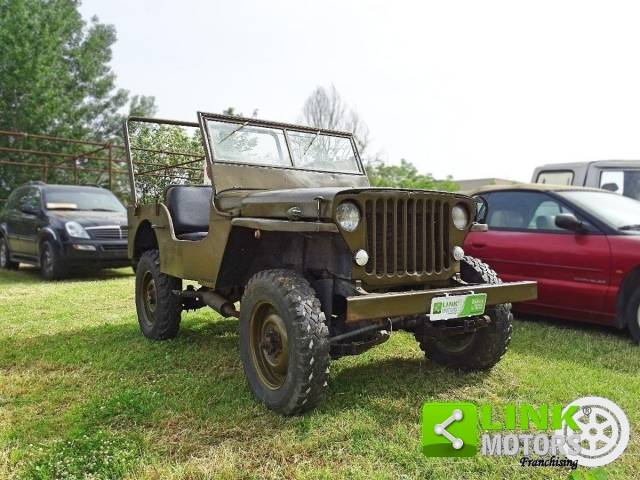
1971 | Jeep Willys Overland Jeepster
JEEP - WILLYS MB 1943
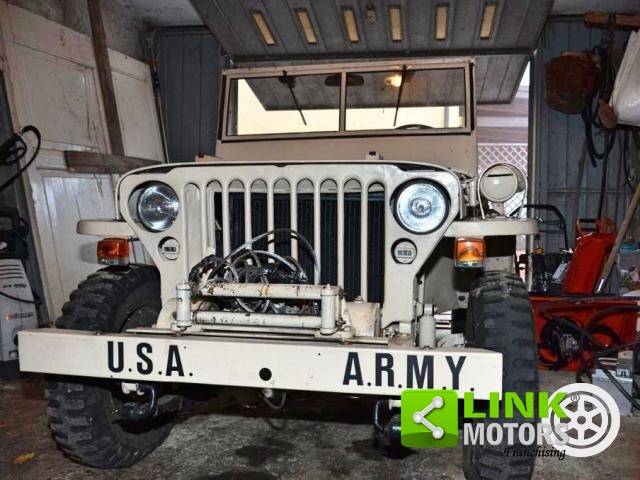
1948 | Jeep Willys Overland Jeepster
Jeep Willys
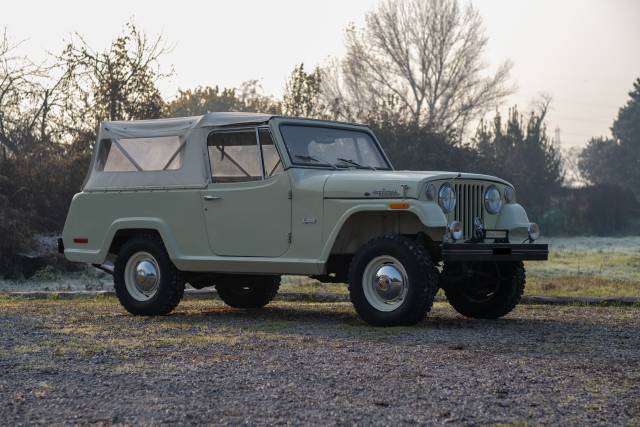
1970 | Jeep Jeepster Commando C-101
2.2-litre “Hurricane” 4-cylinder: 75PS & 155N.m. On auction now themarket.eu

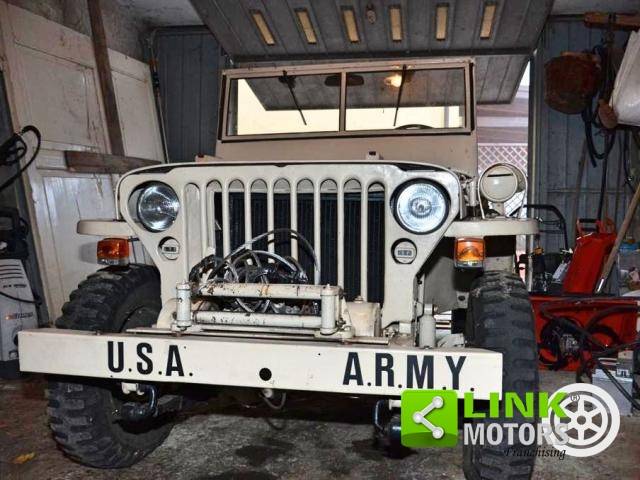
1948 | Jeep Willys Overland Jeepster
Jeep Willys
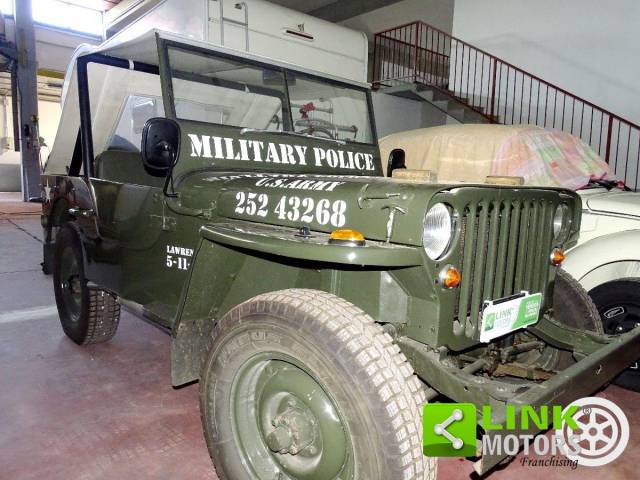
1955 | Jeep Willys Overland Jeepster
JEEP WILLYS ANNO 1944 , MOTORE ORIGINALE WILLYS |ISCRITTA ASI|
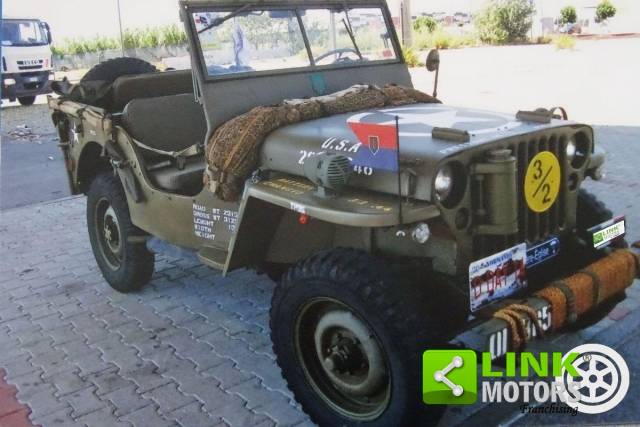
1943 | Jeep Willys Overland Jeepster
JEEP - Willys MB FORD **ORIGINALE AUTOVETTURA ASI**
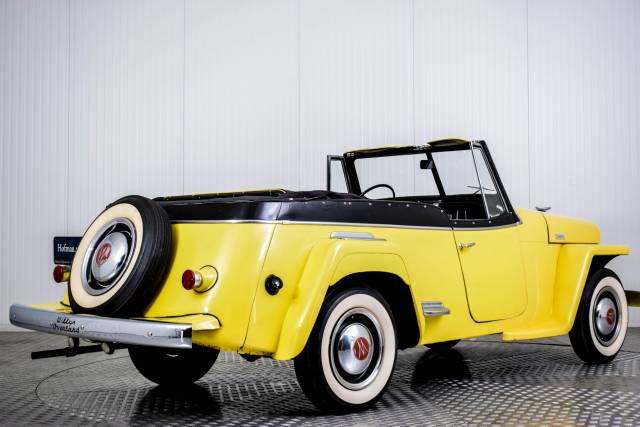
1948 | Jeep Willys Overland Jeepster
Willys Jeepster
Create search alert
Let yourself be notified as soon as a listing is published that matches your search filters.
Create listing
Do you have a Jeep Jeepster that you want to sell? Then create a listing now.
Create listingJeep Jeepster Classic Cars: Prices & Market Values
History of the Jeep Jeepster
The Jeepster story begins in 1948 with Willys-Overland seeking to broaden its market beyond utilitarian trucks and military vehicles. This ambition led to the creation of the 'Jeepster', a model dedicated to the civilian market. Designed by Brooks Stevens, the first Jeepster (VJ series) aimed to offer passenger car characteristics while retaining the robustness of Jeep engineering. The styling offered clear separation from workhorse Jeeps but proved controversial, failing to win over the mass market due to its angular form and limited marketing push. Production of the VJ Jeepster ceased in 1950 after just over 19,000 examples. In 1966, the Jeepster name returned with the C-101 and C-104 models, again blending passenger comfort with Jeep DNA. However, the Jeepster remained a niche model, concluding production in 1973 under AMC ownership.
Model History
The original Jeepster (VJ series, 1948–1950) debuted as a crossover before the term existed, following no direct predecessor and aiming to convert the Jeep image for daily drivers. The Willys Jeepster included body styles such as Cabriolet and was initially powered by the Willys Go Devil L134 engine. Later, the Willys Lightning L161 and Hurricane F-head engines expanded the range. The model experienced two main production phases: the initial Willys-Overland production and, later, the 1966–1973 Jeepster Commando (C-101/C-104), introduced after AMC acquired Jeep. These later models allowed for further engine variety and incremental comfort updates, echoing a move towards versatile recreational vehicles.
Highlights of the Jeep Jeepster
The Jeepster’s appeal lies in its synthesis of open-air driving (convertibles and cabrios were common), robust four-cylinder Hurricane or Go Devil engines, and period features like manual gearboxes with optional overdrive. Its crossover ambition—serving urban streets as well as unpaved roads—marked it out as distinct in its era. Special editions and configurations, including rare European specs (e.g., Hotchkiss versions with Peugeot engines), add to the Jeepster’s mystique. Features such as power steering or brake boosters marked significant steps toward daily usability.
Technical Data
Special Editions and Collectible Models
Special editions included the French-built Jeep Hotchkiss, blending Jeepster bodies with European Peugeot engines. In the US, rare configurations such as the Commando Convertible and specific runout models from the AMC transition period stand out. Collectors sometimes encounter unique options like factory cabriolets or rare trims with enhanced creature comforts.
Weak Spots and Common Issues
Documentation on common issues for the Jeepster highlights typical classic car concerns: extensive use of leaf springs means check for sagging or rust, while period drum brakes and manual transmission linkages can require regular adjustment or overhaul. Look for non-original engine swaps, which were common (notably Peugeot 504 or later Kaiser/AMC powerplants), as they may affect originality and parts compatibility. Given the low production figures for certain years, body parts and trim can be challenging to source.
Engine and Performance, Transmission and Handling
Jeepsters typically deliver modest acceleration and cruising speeds, with the Hurricane engines focusing on reliability over outright speed. Manual gearboxes provide a direct, mechanical driving experience. Equipped with period-correct rear-wheel drive, handling is predictable if unspectacular, and overdrives (where available) help with relaxed highway use. Both the VJ-2 and VJ-3 codes correlate with models most available on the current market, offering a good base for restoration.
Popular Models:
- Jeepster Commando Convertible (1970s, 2.2L Hurricane engine): Sought for open-air motoring and unique AMC-era details.
- Jeepster VJ-2 and VJ-3: Represent core versions of the Willys-Overland era with highest market share and interest.
- French Hotchkiss Willys Jeepster: A rare sight, especially with Peugeot powertrains, blending international Jeepster history. undefined
Interior, Comfort, Exterior and Design
Brooks Stevens’ sharp-edged bodywork, rising beltlines and open-top body options set the Jeepster apart from both the Willys MB and post-war sedans. Bonus elements like chrome bumper accents and specific cabriolet provisions offered comfort rarely seen in period Jeeps. Original palette often included two-tone paint jobs and chrome details. Noteworthy accessories included hardtops, rare wheel covers, and export-specific details such as metric gauges on Hotchkiss models. Interior trim ranged from utilitarian to more plush, depending on trim and model year.
Other Relevant Features
Certain Jeepsters, especially later models, could be found with features unusual for Jeeps of their era, such as factory-fitted power steering or brake boosters. Some European imports included alternative engine swaps (notably Peugeot engines in French Hotchkiss models), while the Jeepster also shows up at classic car auctions and restoration events as an increasingly international collectible.
Summary
The Jeep Jeepster remains a fascinating chapter in American automotive history, recognised for its blend of utility and passenger-car comfort. Its unique model history, variable specification (from original Go Devil engines to French Peugeot variants), and clear historical place as a bridge between pure off-roaders and recreational 4x4s guarantee its ongoing appeal among classic car enthusiasts in search of the road less travelled.