Iveco Zeta classic trucks for sale
The Iveco Zeta stands as a robust chapter in Italian light and medium-duty truck history, renowned for its versatile range and innovative cab design refined in Fiat’s wind tunnel. Find out which features and technical details make the Zeta a sought-after choice for commercial vehicle enthusiasts and collectors.
Search results
Currently, there are no matching listings for your search.
Create search alert
Let yourself be notified as soon as a listing is published that matches your search filters.
Create listing
Do you have a Iveco Zeta that you want to sell? Then create a listing now.
Create listingIveco Zeta listing references from Classic Trader
Below you will find listings related to your search that are no longer available on Classic Trader. Use this information to gain insight into availability, value trends, and current pricing for a "Iveco Zeta" to make a more informed purchasing decision.
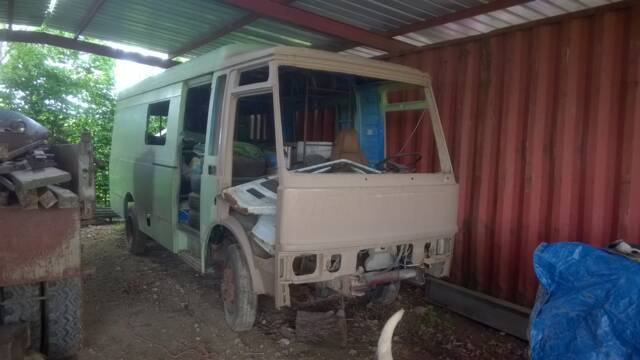
1981 | Iveco Zeta
iveco vrachtwagen
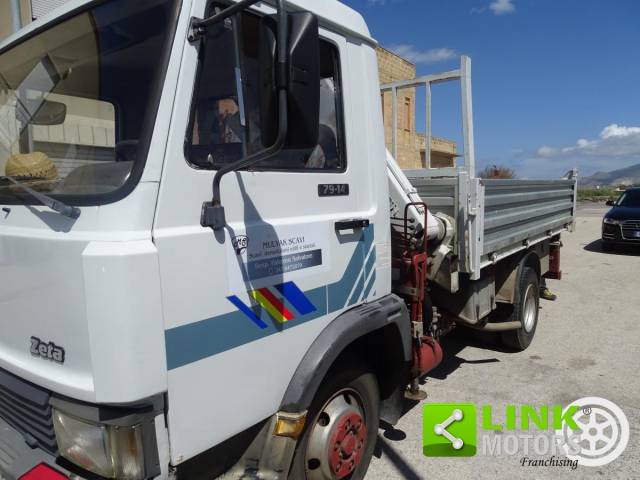
1989 | Iveco Zeta 79-13
Iveco Fiat 79/14 con gru bonfiglioli e ribaltabile trilaterale
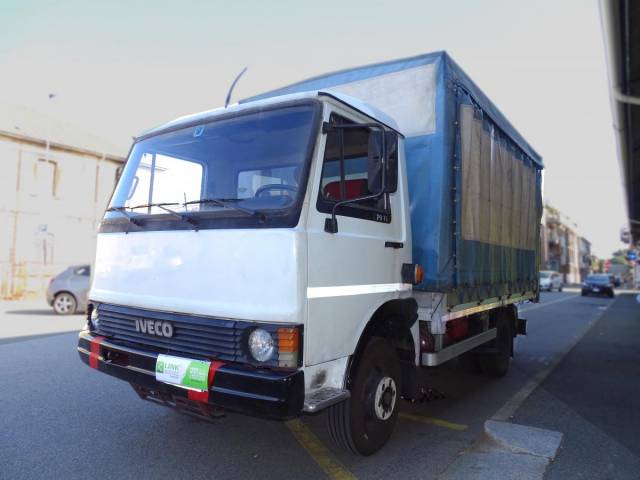
1983 | Iveco Zeta 79-13
FIAT 79/13 centine e telo con sponda idraulica
Create search alert
Let yourself be notified as soon as a listing is published that matches your search filters.
Create listing
Do you have a Iveco Zeta that you want to sell? Then create a listing now.
Create listingIveco Zeta Classic Cars: Prices & Market Values
History of the Iveco Zeta
Launched in 1977, the Iveco Zeta originally responded to a market need for efficient and aerodynamic light and medium-duty trucks. The Zeta followed the OM Lupetto lineage, inheriting a tradition of reliability and advancing it with improved aerodynamics, courtesy of development in Fiat’s wind tunnel at Orbassano. Replacing several well-known OM models (Lupetto, Leoncino, Daino, Tigrotto), the Zeta became a familiar sight across Europe, handling countless transport and distribution tasks until its replacement by the Eurocargo in 1991. The Zeta’s extensive model range and continuous updates kept it at the forefront of commercial mobility during its production years.
Model History
The Zeta traces its roots to the 1959 OM Lupetto. By 1972, the OM X-series formed the technical backbone, leading to the Zeta's debut. Over its lifespan, the Zeta series evolved with different payload capacities and cabin variations, always maintaining compatibility with European logistics requirements. The succession continued when the all-new Iveco Eurocargo succeeded the Zeta in 1991, bringing modern drive trains and a new design philosophy for the light-to-medium segment.
Highlights and Special Features
The Zeta’s biggest technical strength is its aerodynamic cab, developed using wind tunnel technology, an advanced feature for its class at launch. The modularity of chassis and body types made the Zeta exceptionally adaptable for various commercial uses, from box vans to flatbeds and specialty conversions. Its straightforward yet reliable diesel engines ensured longevity and practicality on long-haul or urban routes.
Technical Data
Special Editions and Collectible Models
No factory-produced limited or special editions of the Iveco Zeta are documented. However, unique conversions, specialty bodies for firefighting, municipal, and utility services are often found, creating interest among enthusiasts specialising in classic commercial vehicles.
Engine and Performance, Transmission and Handling
The Zeta delivered practical, consistent power with its range of naturally aspirated and turbocharged diesel engines. Customers could choose their preferred transmission configuration for regional or local work, and the cab-over layout enabled tight turning circles—advantages prized in European city deliveries and narrow roads. Suspension and braking systems were tailored to commercial use, standing out for their longevity under heavy loads. Popular configurations included the Zeta 50 and Zeta 79 for their balance of payload and manoeuvrability. Enthusiasts often seek out short cab versions used for specialty conversions or preserved municipal vehicles.
Interior, Comfort, Exterior and Design
The Zeta’s cab was a breakthrough in both ergonomics and aerodynamics, particularly for 1970s commercial vehicles. The use of wind tunnel testing resulted in a relatively streamlined front, lowering fuel consumption and wind noise. Interiors were built for durability, with simple but effective layouts. Factory colours favoured practical greys and whites, but municipal or fleet livery is commonly encountered. Accessories included integrated roof racks and work lighting, depending on factory fitment or bodybuilder customisation.
Other relevant features
A substantial market for the Zeta thrives among collectors focusing on industrial heritage and automotive utility vehicles. Its widespread use as a platform for specialist conversions (tippers, box bodies, fire engines) demonstrates enduring appeal for restoration projects.
Summary
The Iveco Zeta embodies Italian engineering’s response to Europe’s rapidly evolving transport needs of the late 20th century. Its innovative cabin, technical versatility, and long operational lifespan account for its enduring presence among classic commercial vehicles. Whether sought for preservation, work or display, the Zeta remains a cornerstone for those passionate about classic trucks.