ISO Lele classic cars for sale
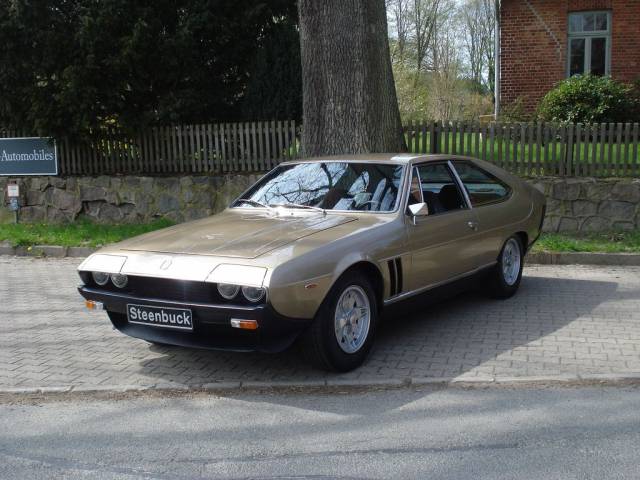
The Iso Lele combines Italian design, American V8 performance, and exclusivity. Built between 1969 and 1974, it stands out for its striking fastback lines, advanced technology for its era, and exceptional rarity. The Lele is a four-seater coupé with only around 285 vehicles produced, making every example an individual statement.
Search results
Currently, there are no matching listings for your search.
Create search alert
Let yourself be notified as soon as a listing is published that matches your search filters.
Create listing
Do you have a ISO Lele that you want to sell? Then create a listing now.
Create listingISO Lele listing references from Classic Trader
Below you will find listings related to your search that are no longer available on Classic Trader. Use this information to gain insight into availability, value trends, and current pricing for a "ISO Lele" to make a more informed purchasing decision.
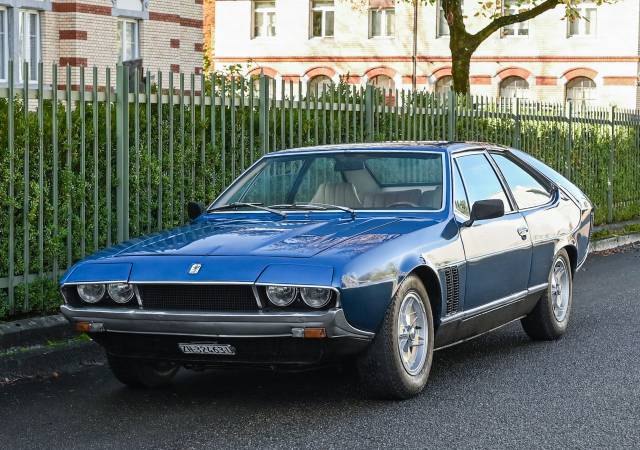
1973 | ISO Lele
Der letzte Iso, originales Fahrzeug, weniger als 300 Stück gebaut, 351cui.

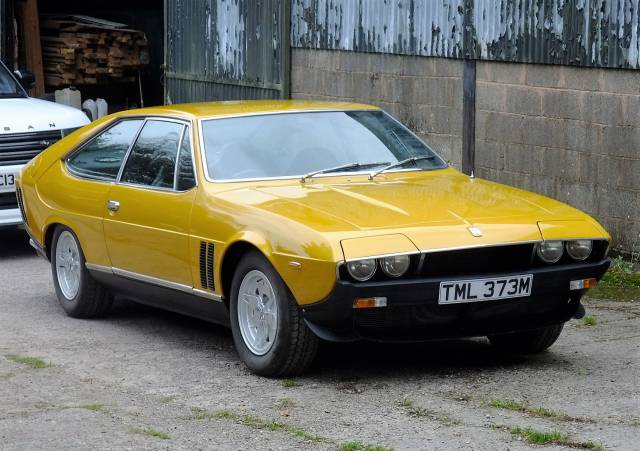
1974 | ISO Lele Sport
ISO Revolta Lele Sport

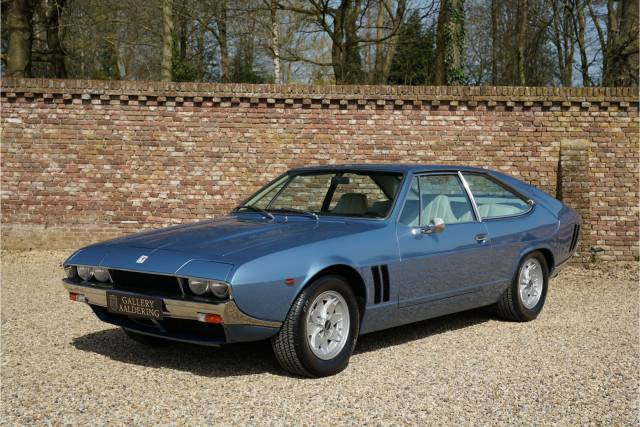
1974 | ISO Lele
ISO Lele

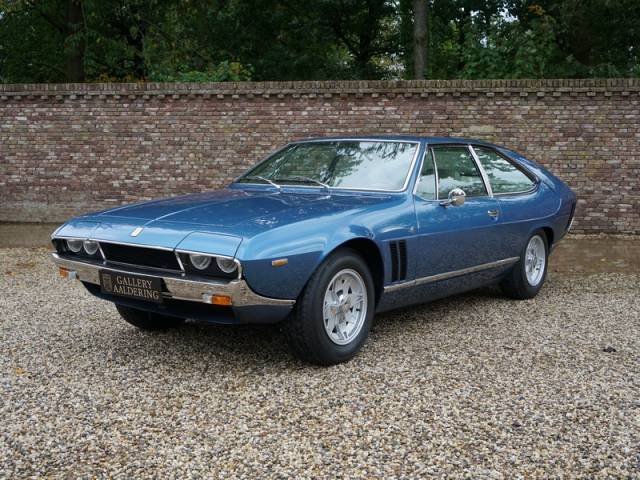
1971 | ISO Lele
Iso Rivolta Lele 5.7 top restored, extensive restoration report, only 285 made
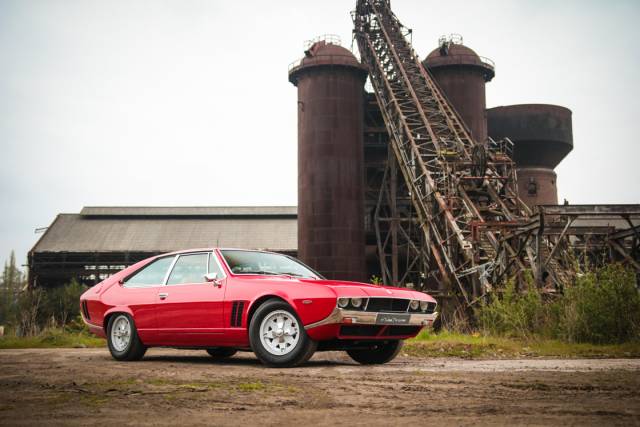
1971 | ISO Lele
1 OF 13ex / BELGIAN CAR / RESTORED

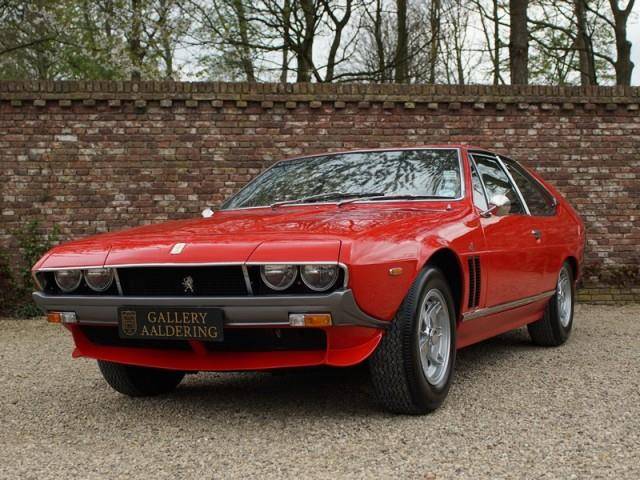
1975 | ISO Lele Sport
Iso Rivolta Lele IR6 Sport one of 11 RHD cars ever made!
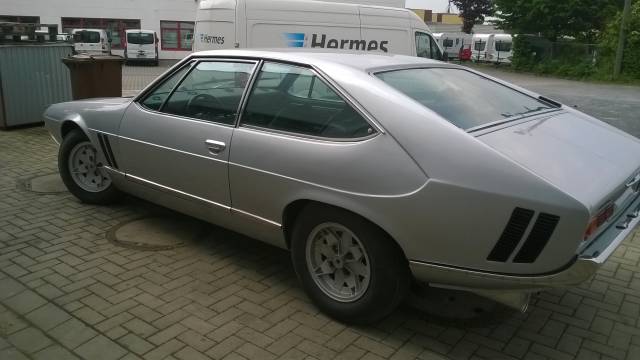
1973 | ISO Lele
Lele mit leichten Lackschäden und kleineren arbeiten

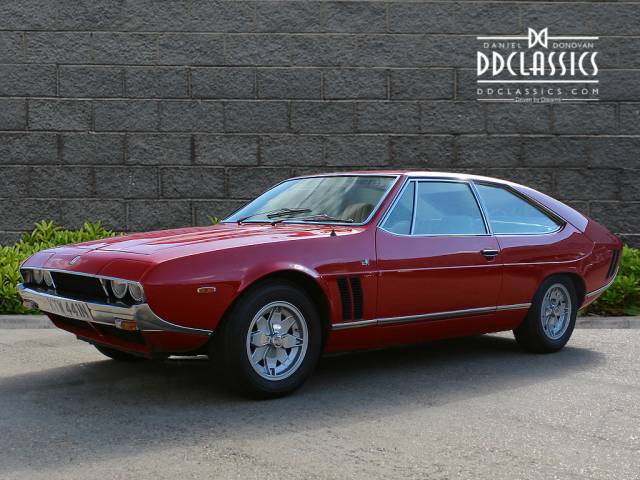
1974 | ISO Lele
2+2, exceptionally rare... 1 of only 45 RHD examples produced
1973 | ISO Lele Sport
One of 24.
Create search alert
Let yourself be notified as soon as a listing is published that matches your search filters.
Create listing
Do you have a ISO Lele that you want to sell? Then create a listing now.
Create listingISO Lele Classic Cars: Prices & Market Values
History of the ISO Lele
The Iso Lele traces its roots to a one-off commission for an American customer in 1969. Based technically on the Iso Rivolta 300 and visually conceived by Marcello Gandini, the prototype was presented at the Turin Motor Show, attracting significant interest. The car’s name—Lele—was derived from the nickname of Renzo Rivolta’s wife, reflecting the personal story behind its creation. Full series production began in 1970, strategically positioned between the Iso Grifo and Fidia models. Each Lele showcases the period's fascination with blending luxury, avant-garde design, and transatlantic engineering partnerships.
Model History and Evolution
The Lele succeeded the Iso Rivolta IR300, introducing a more dynamic grand touring experience. Over its lifecycle (1969–1974), the Lele underwent several technical changes: initial models used Chevrolet V8 engines, while later versions (from 1971) switched to Ford Cleveland V8s. The series included notable variants: the Lele 300, 350, IR6, and the high-performance Lele Sport/Marlboro, each offering distinct outputs and features. With only about 285 units completed, the Lele stands as the most exclusive regular production coupe by Iso.
Highlights of the ISO Lele
The most immediate visual highlight of the Iso Lele is its flat, aerodynamically sculpted silhouette—a hallmark of Gandini’s style, featuring concealed headlights, a sweeping side line, and a pronounced fastback. The taillights, taken from the Fiat 124 Coupé, add a surprising Italian touch. Inside, the Lele boasts luxurious features such as full leather upholstery and intricate wood inlays, setting a high standard even among European grand tourers. Technical innovation is evident in the clever blend of Italian chassis know-how and powerful American engines, combined with either a Ford Cruis-O-Matic 3-speed automatic or rare ZF 5-speed manual gearbox. Among all ISO classic cars listed, the Lele forms 100% of both supply and demand on Classic Trader, confirming its unique position as the definitive ISO of its era.
Technical Data
Special Editions and Collectible Models
The rarest variant is the Lele Sport/Marlboro, built to celebrate the brand’s brief Formula 1 engagement, and equipped with the most powerful Ford Cobrajet engine yielding 360 PS. Only a handful of these sporting Lele versions were produced. Additionally, the 350 CI engine version is exceptionally rare, with only 13 examples built—making these highly prized for enthusiasts seeking ultimate specification within the Lele lineage.
Weak Spots and Common Issues
No explicit weak spots are provided for the Iso Lele in the current data. However, buyers of hand-built Italian GTs from the period should check for corrosion, originality of mechanical components (matching numbers), and the condition of unique parts, such as interior fittings or rare gearbox variants, due to the model’s exclusivity.
Engine and Performance, Transmission and Handling
The Iso Lele’s performance credentials stem from its V8 heritage—delivering robust acceleration and effortless high-speed touring capability. Depending on engine specification, outputs ranged from 304 to 360 PS. The availability of a ZF 5-speed manual gearbox allowed for engaging driving dynamics, while the Cruis-O-Matic automatic made for relaxed cruising. With chassis expertise derived from the earlier Iso Rivolta, the Lele combined stability with comfort, holding its own against grand tourers from Italy and abroad. Most notable are the Lele Sport/Marlboro for performance and the manual-gearbox versions (ZF 5-speed) due to their rarity and driver appeal. The 350 CI V8 variant, with only 13 built, is especially sought after by enthusiasts.
Interior, Comfort, Exterior and Design
Designed by Marcello Gandini, the Iso Lele exhibits clear influences from Lamborghini coupes of the same era—flat bonnet, hidden headlamps, wedge profile, and fastback rear. Special design features include Fiat-derived taillights and minimalistic, sharp body lines. Interiors were tailored in fine leather (often beige) and wood, echoing upper-tier Italian style. Individual vehicles could be equipped with distinct paintwork (notably in shades like red), optional air conditioning, and unique details depending on customer order. Accessories and design features were highly personalised due to the low production numbers.
Other remarkable features
The Lele’s handbuilt nature means surviving examples can vary markedly in specification and finish. Many vehicles retain original matching numbers, and a good number come complete with period appraisals and documentation—vital for collectors. Several cars delivered new to Italy and Belgium are noted for their preservation, with accident- and rust-free conditions particularly prized.
Summary
The Iso Lele encapsulates a unique chapter of Italian GT history—Italian style, American V8 punch, and an extreme attention to interior luxury. Its rarity, bespoke construction, and notable sporting offshoots place it among the most distinctive postwar grand tourers. With every surviving car representing a piece of coachbuilt tradition, the Lele’s appeal is rooted in its exclusivity, technical features, and unmistakably 1970s design language.