Hudson Commodore classic cars for sale
The Hudson Commodore, produced from 1941 to 1952, stands out for its pioneering 'Step-Down' construction, luxurious finish, and advanced drive technology. With its distinctive deep-sill body, powerful straight-six engines, and comfort features, it was Hudson’s flagship, leading the way in comfort, handling, and engineering.
Search results
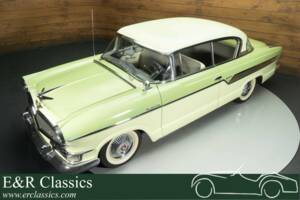
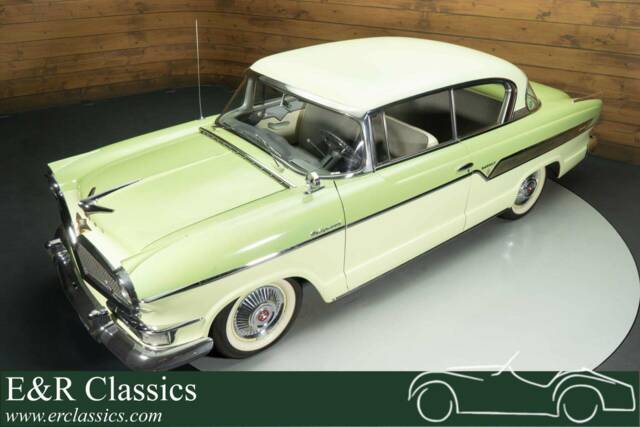
1956 | Hudson Commodore Custom Eight
Oldtimer Hudson

Hudson Commodore listing references from Classic Trader
Below you will find listings related to your search that are no longer available on Classic Trader. Use this information to gain insight into availability, value trends, and current pricing for a "Hudson Commodore" to make a more informed purchasing decision.
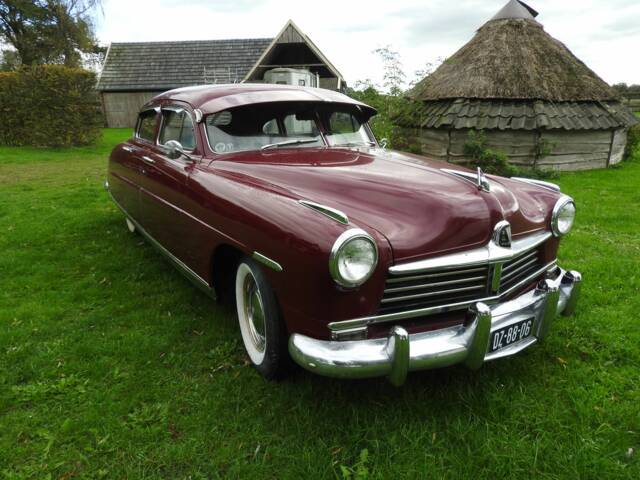
1948 | Hudson Commodore Six
Hudson Commodore 6 | 1948 | Route 66 Auctions - For sale by auction. Estimate 11500 EUR
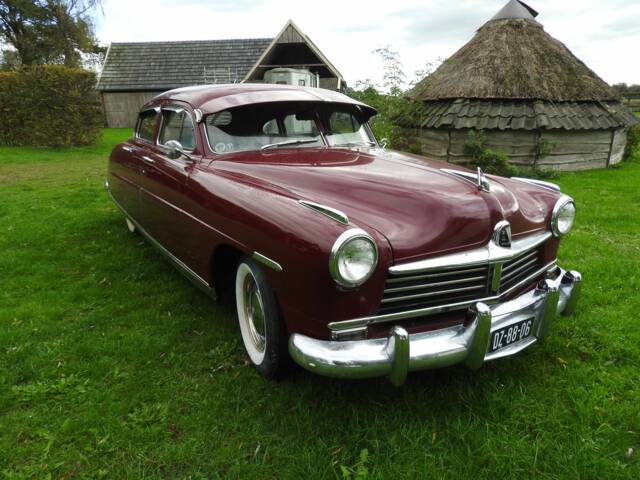
1948 | Hudson Commodore Six
Hudson Commodore 6 | 1948 | Route 66 Auctions - For sale by auction. Estimate 13500 EUR
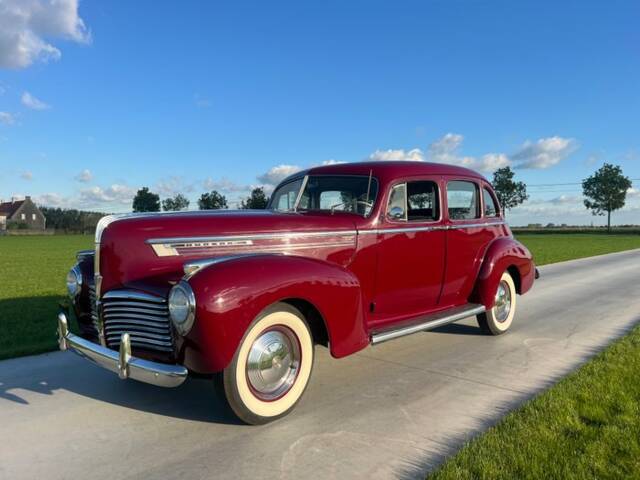
1941 | Hudson Commodore Custom Eight
Hudson - Commodore Eight - 1941
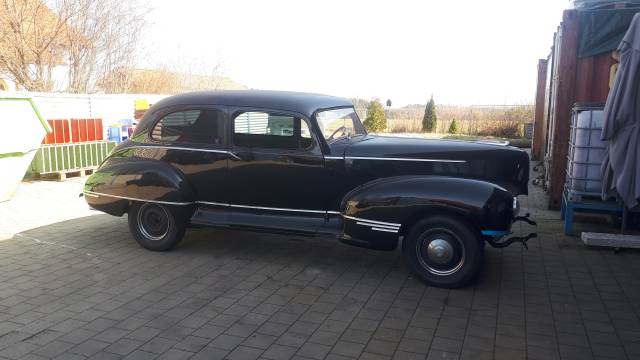
1946 | Hudson Commodore Custom Eight

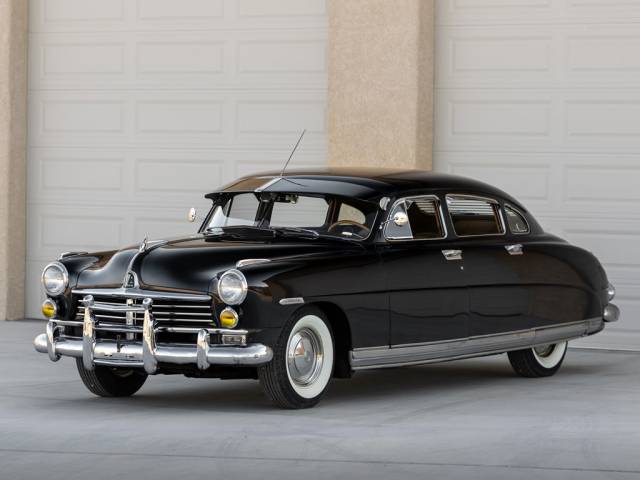
1949 | Hudson Commodore Six
1949 Hudson Commodore Six Sedan

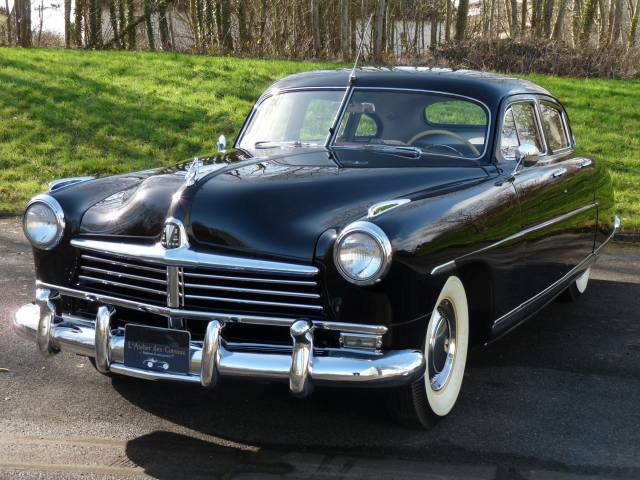
1949 | Hudson Commodore Six

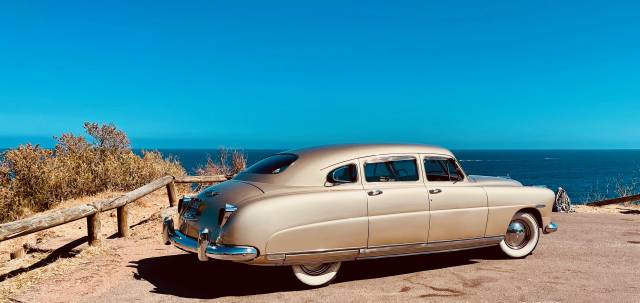
1949 | Hudson Commodore Custom Eight
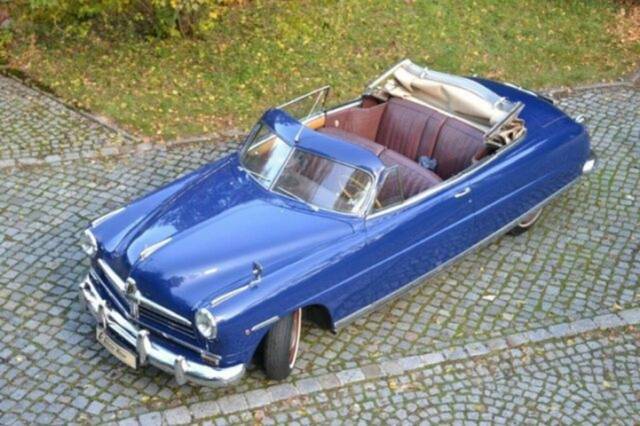
1948 | Hudson Commodore Six

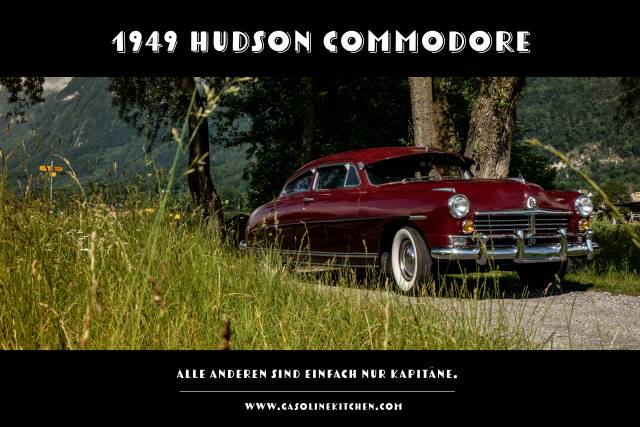
1949 | Hudson Commodore Six
Alle anderen sind nur Kapitäne.

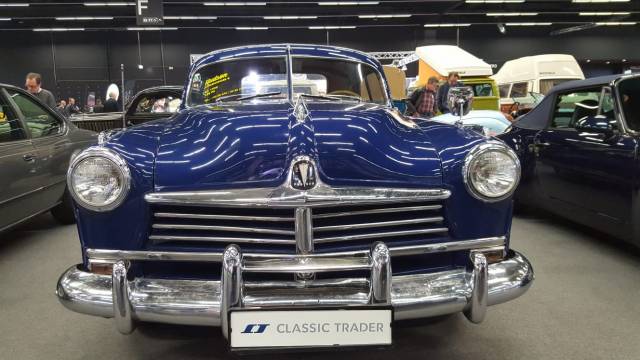
1950 | Hudson Commodore Eight
Dokumentierte Historie - Diplomatenfahrzeug
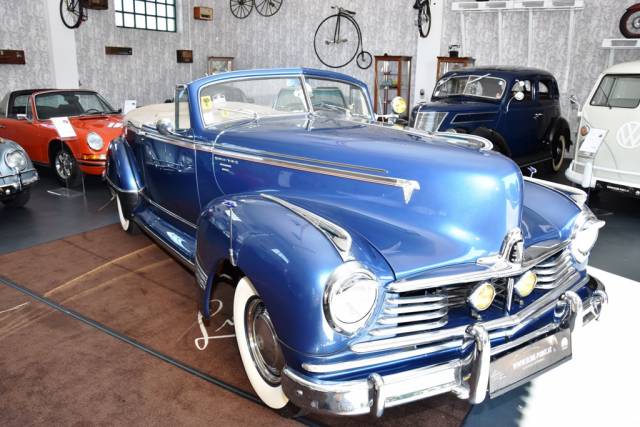
1947 | Hudson Commodore Eight Brougham
Hudson Commodore Classic Cars: Prices & Market Values
History
The Hudson Commodore debuted in 1941 as Hudson Motor Car Company’s most prestigious and luxurious vehicle line. Throughout its run, the Commodore was the brand’s flagship, always positioned at the top of Hudson’s lineup. A turning point came in 1948 with the introduction of the 'Step-Down' body design, which drastically lowered the car's floor pan and centre of gravity. This innovation delivered not only contemporary styling but safety and handling enhancements that set the standard for post-war American luxury vehicles. By integrating Unibody construction with frame rails outside the rear wheels, Hudson created a much safer and more stable ride, which subsequently gained the brand a reputation among buyers focused on both style and day-to-day practicality.
Model history
The Commodore’s first generation (1941-1947) focused on traditional body-on-frame construction but always featured top-tier appointments. In 1948, the second generation ushered in the new 'Step-Down' platform. This radical change positioned the Commodore above its predecessor by offering a lower, wider stance, increased interior space, and a distinct appearance that blended futuristic slab-sided lines with classic American elegance. Hudson continued to refine the model until the final Commodore rolled off the line in 1952, after which the company shifted its focus to other models in its evolving line-up.
Highlights of the Hudson Commodore
• Earliest use of unibody/monocoque construction paired with a low centre of gravity via 'Step-Down' chassis. • Slab-sided bodywork and streamlined, torpedo-shaped styling. • Sturdy frame rails positioned outside the rear wheels contribute to a tank-like body structure. • 262 cu. in. high-pressure, straight-six engine with 119 hp. • Advanced factory options including sun visors, ventilation windows, deluxe radios, fog lamps, 'hill-holder,' window blinds, wipers, grille guards, and wide whitewall tyres. • Up to 29 factory options available, from heating and ventilation to rear window accessories. • Praised for driver comfort and roominess compared to previous models. • NASCAR competitors often chose the Hudson Commodore for its balance and road holding. • Distinct two-tone paint options and flowing fender skirts underscore the car’s visual presence.
Technical data
Special Editions and Collectible Models
Notable variants include the Commodore Six and Super Six, especially from the 1948–1949 model years. These editions were distinguished by their trim levels and optional extras, with two-tone paintwork and full fender skirts further accentuating exclusivity. Several limited-run colour and accessory packages, as well as dealer accessories like the Weather Control system, mark certain Commodores as particularly desirable within historic Hudson circles.
Weak Spots and Common Issues
The Hudson Commodore is renowned for robust engineering and advanced technology for its era. No substantial endemic weaknesses are documented from the available data. Prospective owners should always check period-specific wear points, especially in vehicles with extensive factory options, but the model generally enjoys a solid reputation for durability.
Engine and Performance, Transmission and Handling
Central to the Commodore’s dynamic ability is its 262 cu. in., pressure-lubricated straight-six engine, which produces 119 hp. This setup, combined with the Drive-Master automatic, offered remarkable smoothness and accessible power for late-1940s and early-1950s standards. The innovative 'Step-Down' design grants a lower centre of gravity, resulting in responsive handling and stable high-speed performance. This made the Commodore a favourite among NASCAR teams seeking predictable, safe, and effective handling on varied circuits. The post-1948 Commodore and Super Six editions, with the full unibody construction and two-tone body styling, are particularly praised for their superior driving characteristics and abundant comfort options.
Interior, Comfort, Exterior and Design
The Commodore’s slab-sided, streamlined design and integrated fender skirts define its presence. Matching two-tone paintwork and brightwork grilles signalled prestige, while the interior focused on creating a quiet, spacious environment, rivalled only by more expensive contemporary luxury cars. The accessory catalogue was extensive, with up to 29 items ranging from sun visors and grille guards to deluxe radios and even a Weather Control heating/ventilation system. Materials selected for the interior, like quality fabrics and chromed hardware, reflected a clear focus on passenger indulgence.
Other relevant features
The Commodore’s influence extended into motorsport circles, particularly given its solid showing in period NASCAR competition. The safety and comfort measures integrated into its construction represented a leap in consumer car technology. Distinctive rear window louvres, leather-wrapped steering wheels, and door blind options are sought after today for their originality and historical value.
Summary
The Hudson Commodore encapsulates a seminal era in American automotive design by offering cutting-edge construction, roominess, a wide array of comfort features, and a powerful six-cylinder heart. Its share of both supply and demand among classic Hudson listings demonstrates continued appeal for enthusiasts focused on authentic post-war innovation and engineering integrity.