HRG Aerodynamic classic cars for sale
The HRG Aerodynamic stands out among classic British sports cars with its unique history, streamlined design and engineering tailored for drivers who appreciate precision mechanics. The rare presence of these vehicles adds even more appeal for dedicated collectors.
Suchergebnisse
Zur Zeit sind keine passenden Inserate zu Ihrer Suche veröffentlicht.
Create search alert
Let yourself be notified as soon as a listing is published that matches your search filters.
Create listing
Do you have a HRG Aerodynamic that you want to sell? Then create a listing now.
Create listingHRG Aerodynamic listing references from Classic Trader
Below you will find listings related to your search that are no longer available on Classic Trader. Use this information to gain insight into availability, value trends, and current pricing for a "HRG Aerodynamic" to make a more informed purchasing decision.
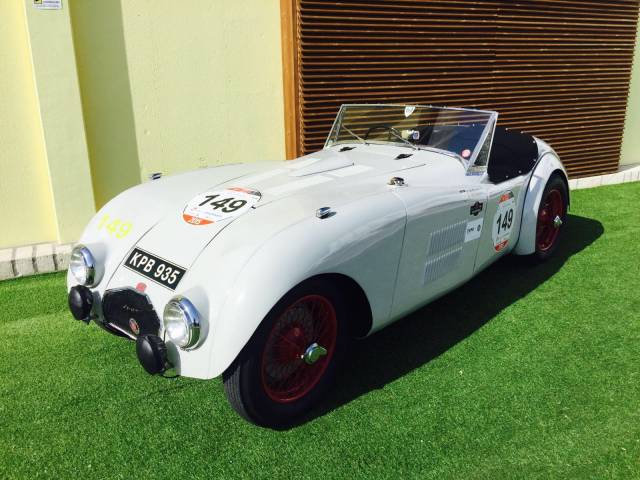
1939 | HRG Aerodynamic W77
HRG AERODYNAMIC PROTOTYPE F.I.V.A.
Create search alert
Let yourself be notified as soon as a listing is published that matches your search filters.
Create listing
Do you have a HRG Aerodynamic that you want to sell? Then create a listing now.
Create listingHRG Aerodynamic Classic Cars: Prices & Market Values
History of the HRG Aerodynamic
HRG Engineering Company, founded in 1936 by Edward Halford, Guy Robins, and Henry Ronald Godfrey in Tolworth, Surrey, created sports cars that reflected their founders' technical know-how. The company's initials—HRG—combine the first letters of the partners' last names, underlining the personal commitment behind the brand. HRG models, produced from 1935 to 1956, gained a reputation for robust mechanical architecture and a focus on driving dynamics rather than luxury or mass-market appeal. The Aerodynamic variant emerged from HRG's desire to integrate advanced technical solutions and streamlining efforts, representing a step forward in British small-series sports car manufacturing in the postwar period.
Model Series History: Evolution within HRG
Within HRG's lineup, the Aerodynamic model represented a move towards improved performance and efficiency. Earlier HRG models focused on open-top traditionalist roadster formats. The Aerodynamic series, as the name suggests, introduced a more streamlined body intended to reduce drag and enhance high-speed stability—a significant development for a low-volume manufacturer of the period. Models prior to the Aerodynamic were designed for simplicity and race suitability; the Aerodynamic pushed the envelope by blending these values with emerging postwar automotive trends. There was no direct successor after HRG ceased production in 1956, but the Aerodynamic remains a symbol of the brand's late innovation.
Highlights and Characteristics of the HRG Aerodynamic
Key standout features of the HRG Aerodynamic include its sleek bodywork, crafted to offer lower wind resistance than earlier HRG cars. Underneath, these vehicles often shared the robust, proven mechanicals of other HRG models but with refinements to suspension, steering and chassis to match the more advanced body. The engineering focus was always on driving feel and mechanical reliability, which is reflected in the continued use of quality materials and attention to detail not commonly found in mass-market British cars of the era.
Technical Data
Special Editions and Noteworthy Models
Given the low production numbers and the hand-built nature of most HRG Aerodynamics, almost every car can be considered unique. Minor variations in bodywork and mechanical setup were common, depending on customer requirements. However, no official factory 'special editions' are widely documented, as the core concept of the Aerodynamic already represented a special, limited model in HRG's range.
Weak Spots and Known Issues
Though specific model weaknesses for the Aerodynamic are rarely published, HRG cars in general require thorough monitoring of mechanical components. Parts availability can be limited due to low production volumes, and period-correct restoration parts may need to be custom fabricated. Given the age, regular inspection of suspension, frame integrity, and the overall drive system is crucial.
Engine, Transmission and Driving Characteristics
Performance of the HRG Aerodynamic is best described as tailored for the engaged driver. Four-cylinder engines, often tuned for responsiveness, worked in harmony with a lightweight chassis to deliver agile and communicative road manners. The suspension setup—a notable strength for HRG—further separated the Aerodynamic from less focused contemporaries. Manual gearboxes reinforced the car’s involvement, offering crisp, tactile changes and mechanical feedback valued by purists. The Aerodynamic itself is the model of interest; numbers produced were limited, and each example could be slightly different, highlighting the personal nature of HRG assembly and specification.
Design: Bodywork, Comfort and Accessories
The design philosophy of the HRG Aerodynamic centred on function-driven aesthetics. The gently curved roofline and flowing bodywork distinguished it from open HRG roadsters, providing a degree of weather protection while staying true to minimalism. Interiors were spartan yet purposeful, typically upholstered with simple leathers and featuring clear, instrumented dashboards. Special accessories could be specified for each car, as HRG catered primarily to bespoke requests rather than standard trims. Colour schemes were traditional yet tasteful, underlining the manufacturer’s sporting ethos.
Other Features
The rarity of the HRG Aerodynamic has ensured continued interest from specialist clubs and historic motoring events. Detailed archives exist for many cars, and the supportive owner community aids restoration, despite scarce parts. Period competition history is rare but occasionally documented for individual cars.
Summary
The HRG Aerodynamic exemplifies a unique chapter of British sports car manufacturing. Its rare combination of streamlined design, dedicated engineering and hand-built character ensures fascination among informed enthusiasts. Authenticity, engineering purity and the scarcity of examples combine to make each HRG Aerodynamic a distinct entity among classic cars.