Holsman Model 5 Classic Cars for Sale
The Holsman Model 5 stands as an early testament to American ingenuity in motoring, offering a glimpse into the pioneering days of automotive technology with its high-wheeler design and practical engineering. Recognised for its simplicity and reliability, the Model 5 continues to draw the attention of vintage car enthusiasts and collectors interested in authentic pre-1910 American vehicles.
Search results
Currently, there are no matching listings for your search.
Create search alert
Let yourself be notified as soon as a listing is published that matches your search filters.
Create listing
Do you have a Holsman Model 5 that you want to sell? Then create a listing now.
Create listingHolsman Model 5 listing references from Classic Trader
Below you will find listings related to your search that are no longer available on Classic Trader. Use this information to gain insight into availability, value trends, and current pricing for a "Holsman Model 5" to make a more informed purchasing decision.
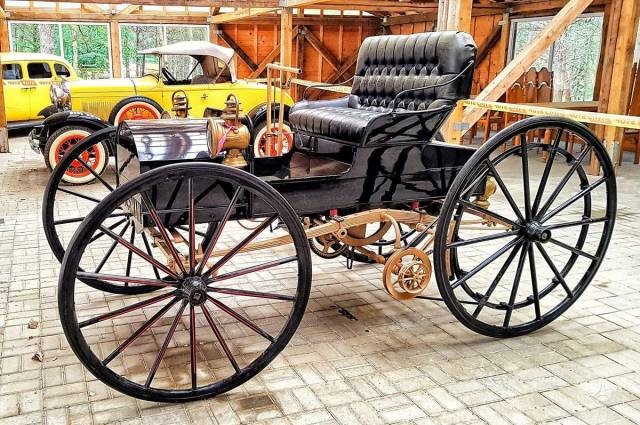
1904 | Holsman Model 5
Holsman 1898
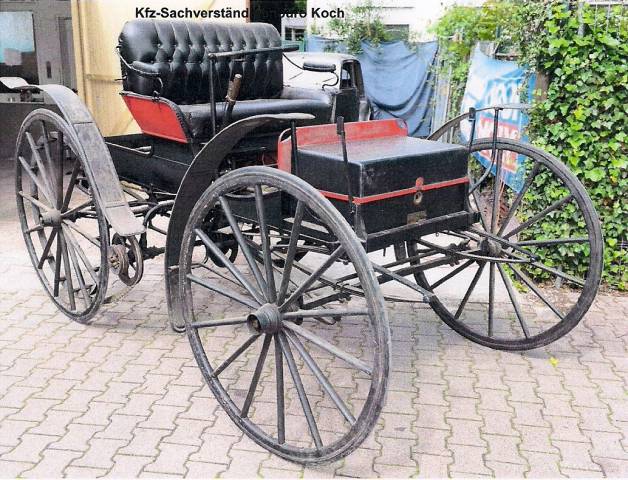
1904 | Holsman Model 5
Runabout High - Wheel

Create search alert
Let yourself be notified as soon as a listing is published that matches your search filters.
Create listing
Do you have a Holsman Model 5 that you want to sell? Then create a listing now.
Create listingHolsman Model 5 Classic Cars: Prices & Market Values
Introduction and History of the Holsman Model 5
The Holsman Model 5 originates from the early 20th century, during a period when automotive manufacturers experimented with form and function to solve the challenge of unpaved American roads. Founded in Chicago, Holsman was a leading maker of so-called 'high-wheeler' vehicles. Harnessing horse carriage principles, these early cars featured tall wheels able to traverse rough rural paths and tracks. The Model 5 was introduced as a practical vehicle for farmers and rural communities, successfully bridging the gap between the era of horse-drawn transport and the rise of motorised mobility.
Model History
The Model 5 was part of Holsman’s early high-wheeler range, which began in 1902. Earlier models pioneered the use of rope drive and tiller steering. While direct successors evolved with incremental technical improvements and more powerful engines, the Model 5 remains a representative example of Holsman’s unique high-wheeler phase. Later, the company shifted towards more conventional low-wheeled vehicles as changes in road infrastructure reduced the need for the original tall-wheel concept.
Highlights of the Holsman Model 5
What sets the Holsman Model 5 apart is its use of exceptionally large-diameter wheels, robust wooden-spoked construction, and a chassis directly inspired by horse-drawn buggies. Its rope transmission and minimalist mechanics made servicing possible with basic tools, appealing to rural buyers in an era with few dedicated garages. Owning or driving a Model 5 is to experience a vehicle conceived before modern conventions emerged.
Technical Data
Special Editions and Collectible Models
No recognised factory special editions of the Holsman Model 5 were produced, but surviving examples can show considerable variation in body style and equipment, reflecting customer customisation at the time of order. Vehicles featuring original paint, seating, and brass fittings command extra attention among collectors.
Weak Spots and Common Issues
Due to age, the most frequent issues encountered on the Holsman Model 5 include deteriorated wooden wheels, perished tyres, and weakened or brittle drive ropes. Cracks in the chassis timber and seized engine components are also common, necessitating expertise in period restoration techniques. Sourcing replacement parts can be challenging, often requiring either custom fabrication or adaptation from horse-drawn carriage components.
Engine and Performance, Transmission and Handling
The horizontally opposed engine delivers modest performance, adequate for travel at speeds typical of horse-drawn vehicles. The rope-drive transmission demands gentle handling, and tiller steering provides a direct but unfamiliar driving sensation to those used to modern controls. Solid axles and lofty wheels result in a unique ride suited for rough terrain rather than paved roads. Within the high-wheeler segment, the Model 5 is an archetype. Comparable period vehicles include the International Harvester high-wheeler and the Sears Motor Buggy—each sharing a focus on agricultural practicality, simple mechanicals, and extreme ease of repair in remote settings.
Interior, Comfort, Exterior and Design
The Holsman Model 5 features a simplified open-body layout with wooden-spoked high wheels, a carriage-like bench seat, and minimal protection from the elements—mirroring contemporary horse buggies. Brass lamps, leather straps, and manual horn reflect the era's functional aesthetic. Accessories ranged from side curtains to weather covers, and some models offered optional rear seating or toolboxes, catering to the diverse needs of early 20th-century rural motorists.
Other relevant features
Of historical interest, the Holsman was often delivered as a kit or for local assembly, aligning with the self-sufficient ethos of its rural U.S. customer base. Its design allowed for basic repairs and maintenance by the user, a necessity at a time when professional garages were rare outside cities.
Summary
The Holsman Model 5 is a significant example of early American automotive construction, produced to address the needs of largely rural populations before the arrival of modern road systems. Its high-wheeler design and robust mechanics provide a hands-on illustration of the transition from horse-drawn transport to mechanised motoring. For vehicle historians and dedicated collectors, the Model 5 remains a rare and fascinating survivor from the dawn of the American automobile industry.