- Coche
- Hispano-Suiza
- Hispano-Suiza Tipo 49 (0 ofertas)
Hispano-Suiza Tipo 49 Classic Cars for Sale
The Hispano-Suiza Tipo 49 stands as a remarkable example of luxury engineering from the early 20th century, admired for its advanced straight-six engine, exquisite build quality, and high degree of bespoke craftsmanship. This model captures the technical ambition and aesthetic sensibilities of the era, making it a distinguished presence in any collection.
Resultados de la búsqueda
Actualmente no hay anuncios que coincidan con su búsqueda.
Create search alert
Let yourself be notified as soon as a listing is published that matches your search filters.
Create listing
Do you have a Hispano-Suiza Tipo 49 that you want to sell? Then create a listing now.
Create listingHispano-Suiza Tipo 49 listing references from Classic Trader
Below you will find listings related to your search that are no longer available on Classic Trader. Use this information to gain insight into availability, value trends, and current pricing for a "Hispano-Suiza Tipo 49" to make a more informed purchasing decision.
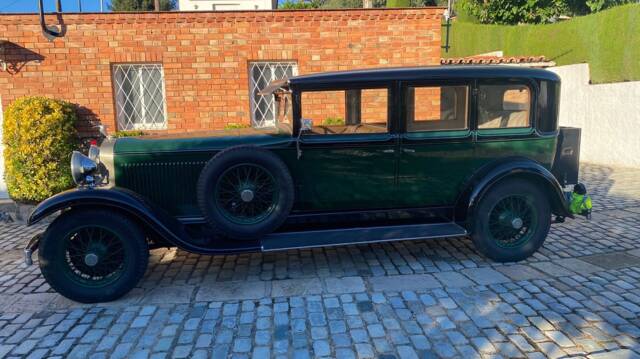
1927 | Hispano-Suiza Tipo 49
Hispano suiza
Create search alert
Let yourself be notified as soon as a listing is published that matches your search filters.
Create listing
Do you have a Hispano-Suiza Tipo 49 that you want to sell? Then create a listing now.
Create listingHispano-Suiza Tipo 49 Classic Cars: Prices & Market Values
History of the Hispano-Suiza Tipo 49
The Hispano-Suiza Tipo 49 debuted at the end of the 1920s, a time when the marque was at the height of its reputation among European luxury car builders. Conceived as a successor to the notable Tipo 32 and sharing some features with the even more exclusive J12, the Tipo 49 was engineered with both technological sophistication and owner comfort in mind. Hispano-Suiza vehicles were synonymous with innovation, and the Tipo 49 was no exception, featuring a meticulously built straight-six engine and refined suspension technology for its time. This model was particularly favoured by the wealthy elite for its smooth ride and bespoke bodywork options supplied by prominent coachbuilders throughout Europe.
Model History
The Tipo 49 followed a tradition of Hispano-Suiza quality established by predecessors such as the models T15 and H6. Successive models built upon the engineering defined by the Tipo 49, including larger-engined and more technically ambitious cars like the famous J12. Production numbers for the Tipo 49 were modest, a reflection of its high manufacturing costs and the brand’s focus on exclusivity rather than volume. As the automotive industry headed toward mass production, Hispano-Suiza remained a bastion of individual craftsmanship, visible in every aspect of the Tipo 49’s specification and construction.
Highlights of the Hispano-Suiza Tipo 49
One of the most distinguishing features of the Tipo 49 is its balanced straight-six engine, offering reliability and a remarkably smooth driving experience for the early 1930s. The model was offered exclusively with bespoke bodies, often shaped by some of the prime coachbuilders of the era, granting each vehicle a unique presence. Advanced engineering in braking and suspension set the Tipo 49 apart from many contemporaries. In the Classic Trader database, the Tipo 49 accounts for 100% of Hispano-Suiza listings, showing that it is the principal model available and attracting all demand for the brand.
Technical Data
Special Editions and Collectible Models
No distinct factory-issued special editions of the Tipo 49 are documented, as Hispano-Suiza tailored most vehicles individually to customer specifications. However, cars fitted with bodies by especially reputed coachbuilders—such as Saoutchik, Vanvooren, or Hibbard & Darrin—are often considered especially desirable among collectors due to their rarity and artistic coachwork.
Weak Spots and Common Issues
Given the rarity and age of the Hispano-Suiza Tipo 49, sourcing original parts can be challenging. Maintenance tasks require specialist knowledge, especially concerning the engine and braking system. Preservation of unique coachbuilt bodies often demands expertise in period-correct materials and techniques. Potential buyers are advised to thoroughly check for authenticity and quality of mechanical and bodywork restoration.
Engine and Performance, Transmission and Handling
The Tipo 49’s straight-six engine provides a refined and robust performance, especially considering its vintage. Power delivery is linear, with an emphasis on low-end torque for relaxed cruising. Its manual transmission, while period-correct, demands a practiced hand. The suspension and chassis engineering contribute to a stately ride quality with accurate steering. Hydraulic brakes increase occupant safety compared to its peers. The Tipo 49 distinguished itself at the time by balancing refinement with mechanical reliability, making for enjoyable touring during its era. Notable variants of the Tipo 49 are chiefly distinguished by their bespoke bodywork, with Saoutchik and Vanvooren-bodied examples particularly sought after by enthusiasts for their craftsmanship and individuality.
Interior, Comfort, Exterior and Design
The interior of the Tipo 49 showcases artisanal craftsmanship, with fine woodwork and plush, high-grade upholstery common features. Owners often specified unique trim and controls, resulting in significant variation among surviving examples. Exteriors featured elegant lines and custom coachwork, typically in subdued colours with tasteful brightwork. Accessories such as bespoke trunks, built-in picnic sets, and period-correct lighting were frequent additions, boosting comfort and exclusivity. Design cues privileged both presence and subtlety, catering to the sophisticated tastes of Hispano-Suiza’s clientele.
Other Aspects
The Tipo 49 is a low-production vehicle; each example tells a story of bespoke creation and the cosmopolitan automotive atmosphere of late 1920s and early 1930s Europe. Interested buyers should pay close attention to provenance and body history due to the individually customised nature of these vehicles.
Summary
The Hispano-Suiza Tipo 49 encapsulates an era of engineering ambition and individual prestige in classic car history. As the only representative of its marque in the current market, it attracts focused interest from collectors and enthusiasts. Every vehicle reflects the virtuosic standards of its time, blending sophisticated technology, custom artistry and exclusivity within a period-correct package.