Graham 8 Classic Cars for Sale
The Graham 8 series stands out as the foundation for one of the rare race cars built under the American 'Junk Formula', blending a robust straight-eight engine with a groundbreaking chassis design. These classics capture the spirit of private engineering workshops of the 1930s, making every surviving example a testament to the inventive drive of its era.
Search results

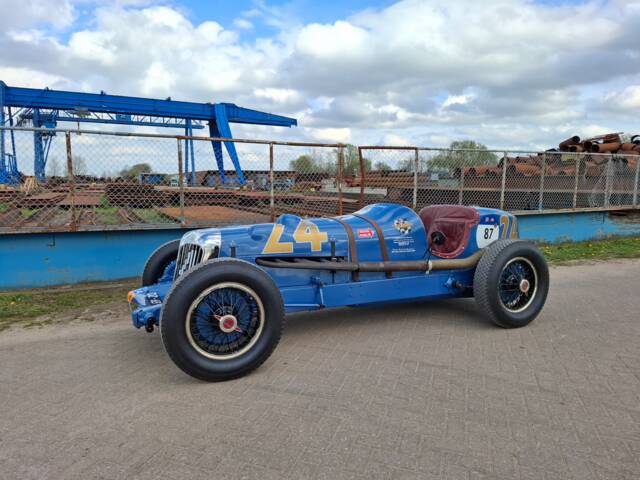

Graham 8 listing references from Classic Trader
Below you will find listings related to your search that are no longer available on Classic Trader. Use this information to gain insight into availability, value trends, and current pricing for a "Graham 8" to make a more informed purchasing decision.
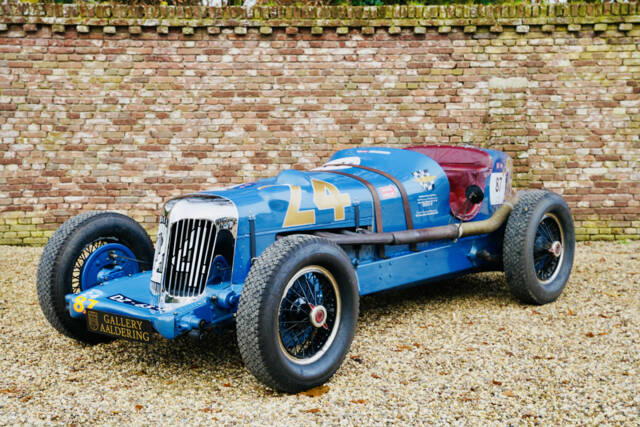
1932 | Graham 8 Lucenti Special
Lucenti Graham Indianapolis Special The ex-Herb Ardinger 1932 'Lucenti Special' Two-Man Indianapolis Race Car, Fully restored while retaining original aluminum body - wire wheels and drivetrain, Place 10 at the 22nd Indianapolis 500 on Wednesday May 30 - 1934 at the Indianapolis Motor Speedway, An extraordinary example in US racing history
Graham 8 Classic Cars: Prices & Market Values
History of the Graham 8
The Graham 8, particularly the Blue Streak Eight, epitomises the bold ambitions and technical ingenuity of American motoring in the early 1930s. Beyond their road-going saloons, these chassis provided a solid base for innovative specials such as the celebrated Lucenti Graham, which competed in notable motorsport events like the Indianapolis 500. Built amidst the backdrop of the 'Junk Formula' era (1930–1935), these vehicles were crafted by passionate privateers, often using limited means and abundant creativity.
Model history
The Graham Eight model series traces its lineage back to the early 1930s, serving as a flexible platform for both production cars and competitive racing variants. With the Blue Streak Eight as the best-known model, Graham's straight-eight chassis became the backbone for enterprising racers and custom builders. No direct successor in series continued this motorsport-driven legacy, but the Graham 8's impact continued in private hands long after its official production ceased.
Unique Features of the Graham 8
A hallmark of the Graham 8 is its L-head straight-eight engine with a displacement of 265 cubic inches, often enhanced with special induction and larger valves for racing. The use of a banjo-type frame, routing the rear axle through the chassis, enabled an exceptionally low centre of gravity. Aluminium hand-built bodies further emphasised weight-saving and bespoke engineering—attributes seen on the famous Lucenti Graham and its contemporaries.
Technical Data of the Graham 8
Special Editions and Racing Variants of the Graham 8
The most significant special variant built upon the Graham 8 base is the Lucenti Graham Period Indy 500 Race Car. Constructed for the 1932 and 1934 Indianapolis 500, it featured a low-slung, aluminium body and custom engine tuning. Minimal surviving examples in original or period-correct restored state make these specials particularly notable, celebrated in events such as the Amelia Island Concours d’Élégance.
Maintenance and Weak Spots
Due to the rarity and age of the Graham 8, attention should be given to the preservation of original aluminium body panels and period-correct drivetrain components. Restorations often require the reproduction of interiors and exhaust systems, as these elements are more susceptible to wear or loss over time. Sourcing correct-spec parts, especially for racing-spec induction or chassis components, demands deep historical expertise.
Engine, Performance, Transmission and Handling
In its most potent racing form, the Graham 8’s straight-eight delivers robust torque and sustained top-end power, as evidenced by averages exceeding 110 mph in the 1934 Indy 500. The advanced chassis design with lowered centre of gravity resulted in stable high-speed handling and competitive performance in oval racing environments. Manual transmissions, typical of the era, require confident historical driving techniques. - Lucenti Graham (Indy 500 specification, 265 cu in, 4.3-litre straight-eight, 4x Winfield SR carbs) – Avg. 111.7 mph at 1934 Indy 500, 10th place finish.
Interior, Comfort, Exterior and Design
The styling of Graham 8-based race cars prioritised function, with aerodynamic alloy bodies shaped over a custom, low-slung frame. Unsprung ride heights and minimal, purpose-built cabins reflected the requirements of period American oval racing. While comfort was sacrificed for weight and speed, surviving cars today often display restored period-correct interiors using bespoke materials matching original specifications. Unique coachwork details—such as hand-shaped louvers and the layout of instrumentation—are distinctive to each special.
Further Aspects
After their racing careers, certain Graham 8 specials assumed unusual roles, including serving as playground equipment in an orphanage before being rediscovered and restored. The restoration quality is crucial for concours appeal, with documented provenance and retained original components greatly increasing historical significance. Awards at events such as Amelia Island underline such cars’ recognition among collectors and historians.
Summary
The Graham 8 is inextricably linked with American grassroots racing history, serving as the foundation for one of the most innovative period Indy 500 specials. Surviving examples possess a unique blend of engineering vision, competition pedigree, and restoration provenance. For those pursuing automotive history, the Graham 8 represents an authentic piece of 1930s privateer ingenuity, highlighted by its dominant role within the classic Graham listings market.