GN Cyclecar classic cars for sale
The GN Cyclecar is a quintessential example of early British motoring ingenuity, known for its lightweight engineering and unmistakable design born from the collaboration of Godfrey and Frazer-Nash. With production spanning from 1910 to 1923, the GN Cyclecar stands as a true representative of the pioneering cyclecar era.
Search results
Currently, there are no matching listings for your search.
Create search alert
Let yourself be notified as soon as a listing is published that matches your search filters.
Create listing
Do you have a GN Cyclecar that you want to sell? Then create a listing now.
Create listingGN Cyclecar listing references from Classic Trader
Below you will find listings related to your search that are no longer available on Classic Trader. Use this information to gain insight into availability, value trends, and current pricing for a "GN Cyclecar" to make a more informed purchasing decision.
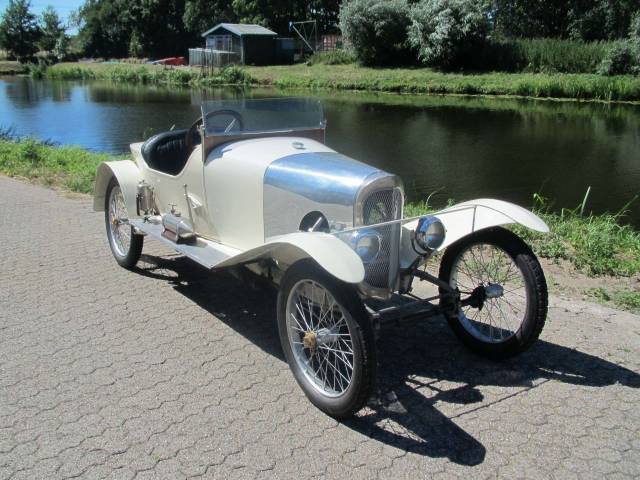
1921 | GN Cyclecar

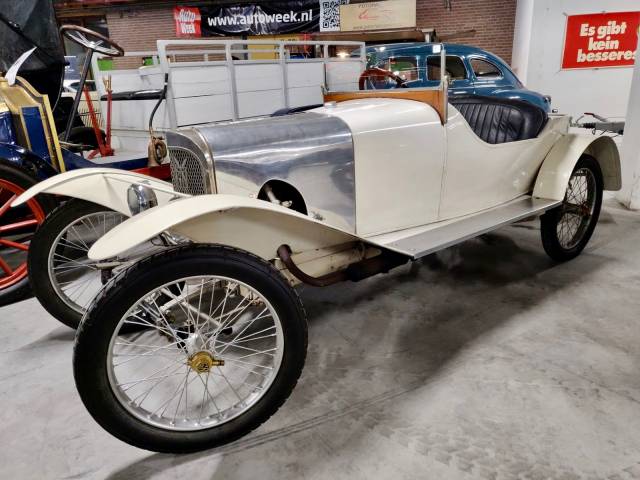
1921 | GN Cyclecar
Online Auction "Classics, Sports Cars & Specials". From 9th to 22nd of May
Create search alert
Let yourself be notified as soon as a listing is published that matches your search filters.
Create listing
Do you have a GN Cyclecar that you want to sell? Then create a listing now.
Create listingGN Cyclecar Classic Cars: Prices & Market Values
History of the GN Cyclecar
The GN Cyclecar traces its roots to 1910 in Middlesex, England, where H.R. Godfrey and Archibald Frazer-Nash launched a vehicle that epitomised the cyclecar philosophy: minimal weight, simple mechanics and keen pricing. GN rapidly garnered attention for its clever design suited to post-Edwardian Britain, when motoring was moving from privilege to practical possibility. Even after production ceased in 1923, the company remained active until 1925, reflecting the enduring appeal and robustness of its creations.
Model History
GN's core offering centered on its eponymous cyclecar series, evolving throughout the 1910s with incremental mechanical and design refinements. The firm did not have direct predecessors—this was its founding venture—but its legacy continued through later Frazer Nash cars, carrying forward the GN's penchant for lightweight engineering and spirited performance.
Highlights of the GN Cyclecar
The GN Cyclecar distinguished itself with its featherweight construction, chain drive, and exposed mechanicals—features that appealed to drivers seeking a raw, undiluted connection with the road. Its use of compact yet capable engines allowed for enthusiastic driving dynamics at a time when full-sized cars were unattainably expensive or cumbersome for many enthusiasts.
Statistical comparison of supply and demand for GN Cyclecars is currently unavailable. Nonetheless, the rarity of surviving GNs ensures that each listing draws attention from knowledgeable collectors.
Technical data
Special Editions and Collectible Models
While not formalised as limited editions, select GN models are valued for unusually rare specifications or for custom coachwork by third-party bodybuilders. The evolution of engine configurations and the crossover of some early GN cars to Frazer Nash branding adds layers of collectability for marque enthusiasts.
Weak Spots and Common Issues
With available information limited, buyers should be aware that any nearly century-old cyclecar will require a close examination of drivetrain components, especially the chain drive and period-specific engine parts. Spare parts availability may be a challenge, and originality is highly prized—so attention to period-correct repairs is critical.
Engine and Performance, Transmission and Handling
GN Cyclecars owe much of their brisk handling and eagerness to minimal body weight and direct steering. Chain drive and lightweight construction lead to agile but somewhat spartan on-road manners, making them appealing to driving purists. Most GN models were offered with V-twin engines delivering modest but effective power for the light chassis, offering a lively driving feel that contrasts sharply with the heavier cars of the era. Key GN Cyclecar variants include those fitted with JAP or V-twin engines. Enthusiasts highlight the early chain-drive V-twin models for their simplicity, while later four-cylinder versions are sought after for improved smoothness and longer-distance usability.
Interior, Comfort, Exterior and Design
GN Cyclecars are instantly recognisable for their narrow bodies, minimalistic cockpit and exposed running gear. Interiors are pared back to the essentials—thin-rimmed steering wheels, simple seating and uncluttered dash layouts. Most examples feature cycle-type front wheels, slender mudguards and distinctive lightweight frames. Special-order coachwork and unique colour schemes occasionally appeared, but spartan design is the GN's defining trait.
Other relevant features
The GN set an example for British lightweight sports car manufacturing, inspiring technical experimentation and the formation of later specialist marques. Some well-preserved survivors are active in historic racing and vintage events, continuing the GN ethos of unfiltered mechanical delight.
Summary
A GN Cyclecar embodies pioneering British engineering, lightweight simplicity, and a hands-on driving experience. For enthusiasts seeking ingenuity and character, few vehicles better evoke the spirit of early motoring than this Middlesex-built cyclecar.