Gatso 1500 classic cars for sale
The Gatso 1500 stands as a rare testament to Dutch automotive engineering from the post-war era. Designed for enthusiasts valuing exclusivity and innovative technical solutions, the 1500 combines distinctive lines with finely tuned mechanics, making every surviving specimen a veritable collector’s curiosity.
Resultados de la búsqueda
Actualmente no hay anuncios que coincidan con su búsqueda.
Create search alert
Let yourself be notified as soon as a listing is published that matches your search filters.
Create listing
Do you have a Gatso 1500 that you want to sell? Then create a listing now.
Create listingGatso 1500 listing references from Classic Trader
Below you will find listings related to your search that are no longer available on Classic Trader. Use this information to gain insight into availability, value trends, and current pricing for a "Gatso 1500" to make a more informed purchasing decision.
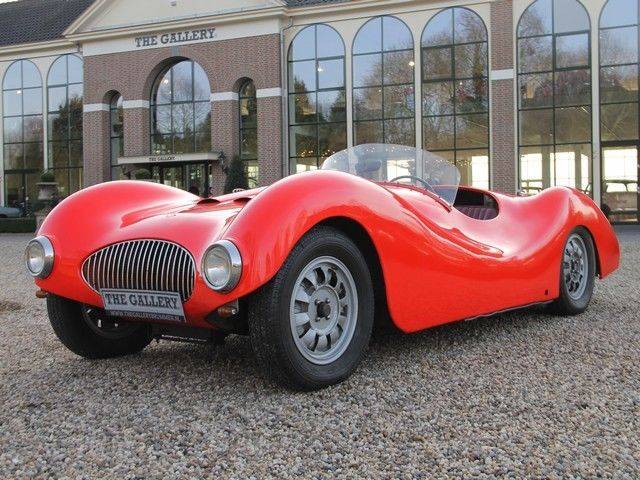
1948 | Gatso 1500 Sport
Andere Gatso 1500 Sport ''platje''
Create search alert
Let yourself be notified as soon as a listing is published that matches your search filters.
Create listing
Do you have a Gatso 1500 that you want to sell? Then create a listing now.
Create listingGatso 1500 Classic Cars: Prices & Market Values
Introduction and history of Gatso 1500
The Gatso 1500 emerged in the late 1940s as the brainchild of Dutch racing driver and engineer Maurice Gatsonides. Intended to carve out a niche in the limited but ambitious Netherlands car market, the 1500 represented a blend of lightweight construction and sporting aspirations, leveraging inventive engineering to make a mark despite challenging post-war economic circumstances. Very few units were produced, each reflecting the pursuit of performance and individuality at a time when European car production was only slowly recovering.
Model history
The 1500 was Gatso’s signature road car offering, drawing expertise from both motorsport engineering and practical design sensibilities of the time. There was no direct predecessor as Gatso was a new venture born in 1948. With only a handful of cars built, the 1500 did not see major generational updates or a direct successor; instead, it remains defined by its rarity and the innovative spirit of its creator.
Highlights of Gatso 1500
Distinctive for its streamlined design and sporting ambitions, the Gatso 1500 utilised a Ford V8 engine in several examples, and often incorporated lightweight materials to improve agility. Its most notable aspect is exceptional rarity—these cars are seldom seen outside select events or private collections.
Technical data
Special Editions and Collectible Models
Given that every Gatso 1500 was built in exceptionally low numbers and each could differ depending on customer requirements, every example can be considered unique. No factory special editions exist in the conventional sense, but any documented provenance—such as links to Gatsonides himself or motorsport usage—adds to individuality.
Weak Spots and Common Issues
No concrete data on typical mechanical weaknesses is available, primarily due to the vanishingly small population of the 1500 on the road. As with any low-volume, hand-built post-war vehicle, prospective owners should expect that part sourcing can be complex, and restoration often requires bespoke craftsmanship.
Engine and Performance, Transmission and Handling
Depending on the exact unit, the 1500 could be delivered with either a smaller British four-cylinder or a larger Ford V8. Light kerbweight and a focus on direct handling meant the driving experience was fundamentally different from mainstream saloons of the time. Acceleration figures and top speed were especially competitive for the era, showcasing Gatsonides’ racing influence. With only a scant handful of 1500s built and almost every example unique, each is notable. The versions powered by Ford’s Flathead V8 stand out for their increased performance.
Interior, Comfort, Exeterior and design
The design philosophy of the Gatso 1500 emphasises both aerodynamics and hand-crafted exclusivity. Exteriors display long, flowing lines with custom coachwork—oftentimes finished to owner specification. Interiors are typically spartan but purposeful, echoing motorsport origins, with some usage of premium materials like leather in high-end units. Accessories and optional extras were custom-ordered, so no standard configuration exists.
Other relevant features
As a marque, Gatso is also renowned for Maurice Gatsonides’ later invention of the speed camera. The 1500 stands not only as a car but also as a symbol of Dutch inventiveness and the post-war independent engineering movement.
Summary
The Gatso 1500 carries a legacy of singular Dutch post-war car culture, merging rare craftsmanship with engineering innovation. For collectors and fans of obscure motoring history, acquiring or restoring a Gatso 1500 is both a challenge and a remarkable achievement, representing a chapter of automotive heritage seldom seen in the market.