FSM Syrena classic cars for sale
The FSM Syrena is a small, characterful car made in Poland from 1963 to 1983, easily recognised for its distinct two-stroke engine and playful design. Conceived as a practical solution for rural life, it remains a rare sight and a cherished example of Eastern European automotive history.
Suchergebnisse
Zur Zeit sind keine passenden Inserate zu Ihrer Suche veröffentlicht.
Create search alert
Let yourself be notified as soon as a listing is published that matches your search filters.
Create listing
Do you have a FSM Syrena that you want to sell? Then create a listing now.
Create listingFSM Syrena listing references from Classic Trader
Below you will find listings related to your search that are no longer available on Classic Trader. Use this information to gain insight into availability, value trends, and current pricing for a "FSM Syrena" to make a more informed purchasing decision.
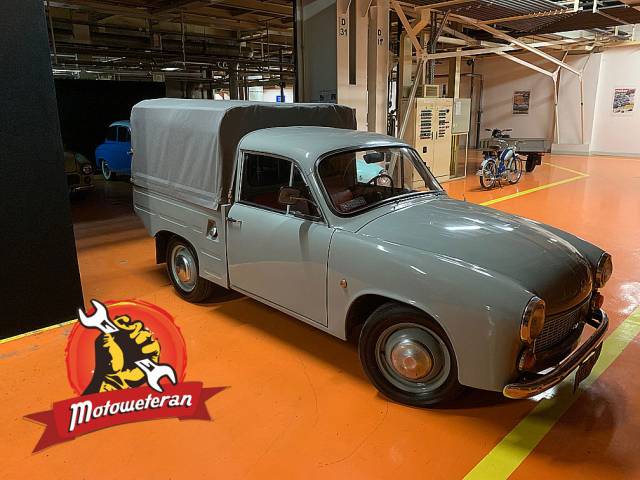
1983 | FSM Syrena 105
The smallest pick-up made in Soviet Block, exelent condition.
Create search alert
Let yourself be notified as soon as a listing is published that matches your search filters.
Create listing
Do you have a FSM Syrena that you want to sell? Then create a listing now.
Create listingFSM Syrena Classic Cars: Prices & Market Values
History of the FSM Syrena
Developed during the height of communist-era Poland, the FSM Syrena takes its name from the Warsaw Mermaid, a symbol of the city and national identity. Introduced in 1963, the Syrena was designed primarily as an affordable, reliable vehicle that could cope with the demands of rural living. Production continued until 1983, and while the technology was simple, this allowed easy repair and servicing—making the Syrena a common sight on Polish roads in its day.
Model History
The Syrena originated at FSO before later production moved to FSM. The model remained relatively consistent throughout its lifespan, keeping its three-cylinder, two-stroke engine and simple mechanical layout. There was an unusual commercial version—the Syrena Bosto pickup—built on the same frame as the passenger car. Predecessors are not directly documented as the Syrena was itself a response to the demand for a simple car; it was succeeded in the FSM line-up by more advanced vehicles without direct Syrena lineage.
Highlights of the FSM Syrena
Practicality defines the Syrena: its lightweight construction, compact size, and up to 300 kg payload meant it was widely used in farming communities—transporting everything from potatoes to livestock. The 899 cc, three-cylinder engine produced 40 PS, combined with a 4-speed manual gearbox and a simple 12V electrical system, reflecting the pragmatic usability prioritized during its design. Fun details, like the possibility of fitting period-correct Vredestein Classic tyres or factory modifications for improved cooling (such as an added electric fan), add to its unique character.
Technical Data
Special Editions and Collectible Models
One notable derivative of the Syrena is the Syrena Bosto—an uncommon pickup variant. This model adapted the standard passenger car chassis but provided a small flatbed, targeting small businesses and farmers needing a budget-friendly commercial vehicle.
Weak Spots and Common Issues
As with many cars of its era, the Syrena can suffer from corrosion in the chassis and body panels, especially on well-used farm vehicles. The two-stroke engine requires regular maintenance, including careful mixing of oil and fuel, and may overheat in modern stop-and-go traffic without an additional fan. Electrical issues are less common but can occur due to the 12V positive ground system, a peculiarity compared to most Western cars. Interiors and wooden floors, if original, may need restoration.
Engine and Performance, Transmission and Handling
The Syrena's 40 PS engine provides modest performance and its three-cylinder, two-stroke layout offers a distinctive sound and driving experience. The 4-speed manual gearbox shifts directly, while the vehicle's suspension is tuned for rural roads and basic payloads. Handling is direct but comfort-oriented, rather than sporty. The Syrena generally excels at low-speed rural driving and short urban commutes. FSM Syrena 105 is among the most recognised, especially in its Bosto pickup form.
Interior, Comfort, Exterior and Design
The Syrena's styling is unmistakable—its rounded silhouette and playful facial features make it stand out. Interiors are simple, utilising durable materials, and some examples feature wooden floorboards, a rarity and point of interest among enthusiasts. While factory colour options were limited, vehicles from this era may be found today in period-appropriate pastel shades. Equipment was basic without accessories such as USB ports, though small period extras like classic Vredestein tyres were possible from the factory. Retrofitting for improved comfort, such as adding auxiliary fans, is commonly seen in restorations.
Other Relevant Features
Designed with rural life in mind, the Syrena could carry surprising cargo for its size—up to 300 kg, enough for two pigs or a large load of farm produce. Its original simplicity means most cars are still highly authentic, with few modern alterations beyond practical upgrades. Owners often appreciate these details for their authenticity and the unique ownership experience they offer.
Summary
FSM's Syrena offers a glimpse into Eastern Europe's automotive landscape of the 1960s-1980s, prioritising practicality and ease of use for the everyday Polish driver. With a cheerful design and a utilitarian heart, it remains a distinct choice for classic car enthusiasts with a preference for originality and simplicity.