Ensign N180 classic cars for sale
The Ensign N180, crafted for the uncompromising world of Formula One, combines pure racing heritage with British engineering. With a history rooted in competition and technical innovation, this model stands as a testament to the era's racing philosophies and mechanical approaches.
Search results
Currently, there are no matching listings for your search.
Create search alert
Let yourself be notified as soon as a listing is published that matches your search filters.
Create listing
Do you have a Ensign N180 that you want to sell? Then create a listing now.
Create listingEnsign N180 listing references from Classic Trader
Below you will find listings related to your search that are no longer available on Classic Trader. Use this information to gain insight into availability, value trends, and current pricing for a "Ensign N180" to make a more informed purchasing decision.
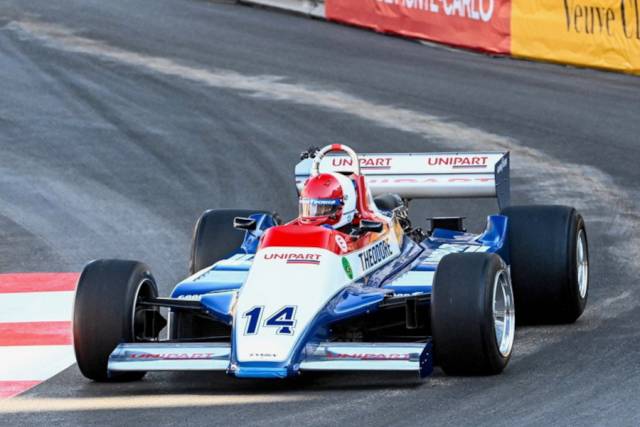
1980 | Ensign N180
The ex-Tiff Needell / Jan Lammers Ensign N180

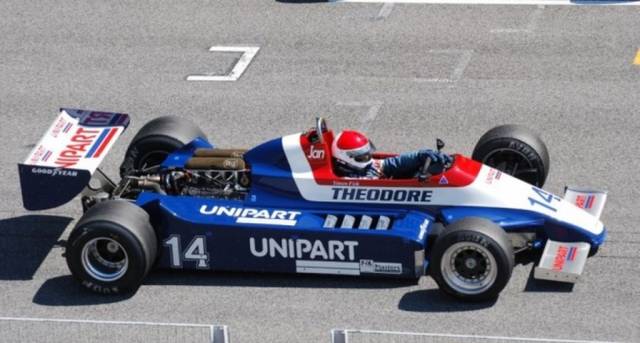
1980 | Ensign N180

Create search alert
Let yourself be notified as soon as a listing is published that matches your search filters.
Create listing
Do you have a Ensign N180 that you want to sell? Then create a listing now.
Create listingEnsign N180 Classic Cars: Prices & Market Values
Introduction and history of Ensign N180
The Ensign N180 emerged in the fiercely competitive landscape of early 1980s Formula One. Designed and fielded by the British constructor Ensign, the car was a product of constant evolution to keep pace with technical developments and regulatory changes. Ensign, while not one of the big-budget giants, placed emphasis on creativity and agility, often fielding innovative solutions with limited resources. In total, Ensign participated in 133 Grands Prix with 155 car entries and managed to score 19 championship points without securing a podium finish. The N180 is most remembered for its notable 4th place finish at the 1981 Brazilian Grand Prix with Marc Surer behind the wheel, where he also clocked the fastest lap—a clear indication of the car's potential on its day.
Model history
The N180 succeeded Ensign’s previous iterations designed for F1, building on lessons from its predecessors. The model represented a period in which smaller constructors had to maximise innovation to compete against much larger teams. After the N180, Ensign’s continued attempts in Formula One saw modifications to their existing designs rather than radical overhauls, underscoring the resourcefulness within the team. The competitive window for the N180 was narrow, but its performance at certain events, especially in the hands of capable drivers, demonstrated its capability.
Highlights of Ensign N180
Unique among its contemporaries, the Ensign N180 reflected the challenges and aspirations of privateer teams in Formula One. Not only did it achieve a remarkable 4th place at the Brazilian Grand Prix, but it also registered the fastest lap in that race, proving its competitive edge in the right conditions. Ensign’s reputation for building robust, technically advanced chassis within limited means is epitomised by the N180.
Technical data
Special Editions and Collectible Models
There are no widely documented factory special editions of the Ensign N180, as Formula One cars of this period were tailored for competition rather than commercial sale variants. However, individual chassis with race history, especially those involved in pivotal Grands Prix or piloted by notable drivers such as Marc Surer, are often considered particularly desirable within historic racing circles.
Weak Spots and Common Issues
Ownership of a Formula One car like the Ensign N180 involves maintenance challenges uncommon in road vehicles. Typical issues involve engine upkeep—specifically, ensuring the DFV V8's internals remain within tight tolerances—and sourcing period-correct parts for chassis, suspension, and brakes. Given the N180’s bespoke nature, restoration and maintenance demand both technical expertise and access to specialised suppliers familiar with historic F1 machinery.
Engine and Performance, Transmission and Handling
The Ensign N180, built for the apex of circuit competition, featured a naturally aspirated V8 delivering power via a rear-mounted Hewland gearbox. The combination allowed for rapid acceleration, high-speed stability, and agile handling—crucial attributes for the sweeping circuits of Grand Prix racing. The N180’s handling characteristics were shaped primarily by weight distribution, advanced for its day, and strong mechanical grip. On track, its competitive highlights were best demonstrated in events like the Brazilian Grand Prix, where its fastest lap marked the peak of its performance potential. - Ensign N180: Notable for its 4th place Brazilian GP finish and fastest lap in 1981, powered by the ever-reliable DFV V8 engine.
Interior, Comfort, Exterior and design
The N180’s design is purpose-driven, reflecting the dogged priorities of race engineering. The cockpit is sparse, built solely for function with essential instruments and controls, tightly wrapped around the driver for maximum control and minimum drag. Externally, the N180 features strong aerodynamic influences of its era: low nose, wide sidepods, and functional rear wings. Primary materials were aluminium alloys and composites, balanced for rigidity and minimal weight. Livery remained consistent with the sponsor-given team colours of the early 1980s. As with most F1 cars, any form of comfort or accessory was omitted in favour of performance-focused design.
Other relevant features
Given its historical context, the Ensign N180 also serves as a snapshot of early 1980s Formula One politics and engineering, providing insight into how independent teams innovated under resource constraints. Cars like the N180 have an ongoing presence at historic race meetings, continuing to demonstrate their mechanical prowess and unique character on track.
Summary
With its competitive spirit and technical ingenuity, the Ensign N180 remains a historic piece of British Formula One engineering. Its single-car dominance in the Ensign classic market, unique achievements such as a fourth place and fastest lap at a Grand Prix, and its unfiltered, purpose-built design continue to attract aficionados of motorsport heritage.