- Car
- English Mechanic
- English Mechanic Steam Car (0 offers)
English Mechanic Steam Car classic cars for sale
The English Mechanic Steam Car represents the innovative spirit of early British automotive engineering, combining steam technology with practical design. For enthusiasts of pre-1900 motoring, the rarity and mechanical fascination of the Steam Car stand out. This page offers a curated selection of English Mechanic Steam Cars available for purchase.
Search results
Currently, there are no matching listings for your search.
Create search alert
Let yourself be notified as soon as a listing is published that matches your search filters.
Create listing
Do you have a English Mechanic Steam Car that you want to sell? Then create a listing now.
Create listingEnglish Mechanic Steam Car listing references from Classic Trader
Below you will find listings related to your search that are no longer available on Classic Trader. Use this information to gain insight into availability, value trends, and current pricing for a "English Mechanic Steam Car" to make a more informed purchasing decision.
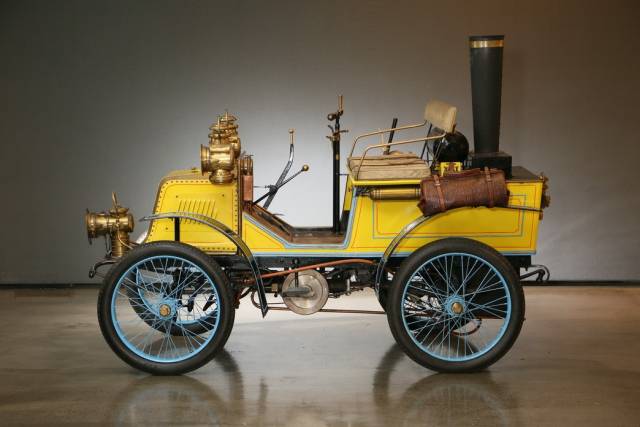
1903 | English Mechanic Steam Car
Create search alert
Let yourself be notified as soon as a listing is published that matches your search filters.
Create listing
Do you have a English Mechanic Steam Car that you want to sell? Then create a listing now.
Create listingEnglish Mechanic Steam Car Classic Cars: Prices & Market Values
History of the English Mechanic Steam Car
The English Mechanic Steam Car was developed in the late 19th century, during a period of rapid experimentation in propulsion technologies. It was published as a build-it-yourself kit by the English Mechanic magazine, aimed at technically skilled hobbyists. Its construction involved using available parts alongside custom-fabricated components following meticulously published serialised instructions—marking it as one of the most accessible early steam-powered road vehicles in Britain. The car gained recognition in period motoring press for its inventive approach and practical application of steam power for personal transport.
Model History of the English Mechanic Steam Car
There are no direct predecessors or successors to the English Mechanic Steam Car; it is a unique project reflecting the DIY ethos of late Victorian inventors and automotive pioneers. Iterations depended on the builder’s choices and available materials, meaning no two examples are wholly alike. The series remained popular with technical enthusiasts before the turn of the century, preceding the dominance of petrol engines.
Highlights of the English Mechanic Steam Car
The most notable aspect of the English Mechanic Steam Car is its kit-built provenance: owners constructed their own vehicles from published plans, making each car a testament to its builder’s ingenuity. Steam propulsion delivered silent, vibration-free running compared to contemporaries and fascinated a generation witnessing the birth of motoring. The car’s simplicity and reliability (in the hands of the skilled enthusiast) contributed to its place in the early history of British steam-powered transport.
Technical Data
Special Editions and Collectible Models
Given the nature of its construction, every English Mechanic Steam Car is unique, shaped by the individual builder’s interpretation and technical prowess. Some examples featured more elaborate coachwork or advanced boiler designs, but there were no official limited editions or factory-created variants.
Weak Spots and Common Issues
The English Mechanic Steam Car requires specialist knowledge for safe maintenance and operation. The high-pressure steam system demands scrupulous attention: any lapse in upkeep or incorrect repairs can result in dangerous failures. Sourcing authentic or replacement components is challenging, and expertise with period steam technology is indispensable. Frequent boiler inspections for corrosion, scale, and leaks are essential, and maintaining adequate lubrication is critical for engine longevity.
Engine and Performance, Transmission and Handling
Performance of the English Mechanic Steam Car was largely influenced by the skills and decisions of the original builder. Typical top speeds hovered around 15–20 mph, with gradual acceleration due to the nature of steam power. Handling was basic, lacking any modern damping or suspension geometry, but the low weight and immediate torque provided easy control at low speeds. Braking systems were rudimentary, requiring anticipation and careful modulation. Steam cars were prized in their era for smooth, almost silent operation.
Popular Models:
- No two cars are identical, but notable examples feature advanced boilers with superheating capability or bespoke coach-built bodies. Enthusiast circles value vehicles retaining period-accurate configurations and documentation of their original builds. undefined
Interior, Comfort, Exterior and Design
The design language of the English Mechanic Steam Car reflected its utilitarian origins: most featured open bodies with simple benches or chairs, minimal weather protection, and manually operated controls. Coachwork was often left to the discretion of the builder, resulting in a variety of exterior treatments ranging from exposed frameworks to more polished wood- or metal-panelled bodies. Accessories and finishes were dictated by contemporary taste and the builder’s budget, including brass fittings and wooden trim. The lack of a standardised manufacturer equipment list means surviving examples showcase a fascinating spectrum of design solutions reflective of Britain’s inventive spirit.
Other Features
As an artefact of the early period of motoring, the English Mechanic Steam Car occasionally appears in period motoring events or as part of museum collections. Its educational value is significant, showcasing early 20th-century engineering practice and illustrating the transition from craftsman-built vehicles to factory mass production.
Summary
The English Mechanic Steam Car occupies a unique place in British automotive history as one of the most accessible and individually varied steam cars. Its legacy endures among specialists and historians fascinated by the hands-on technical creativity of early motorists. Collectors and restoration experts appreciate the car’s singular nature and the deep mechanical engagement it demands, ensuring its continued presence—albeit rare—on the historic vehicle market.