Elva Competition classic cars for sale
Elva Competition models occupy a rare niche in racing car history, renowned for their lightweight engineering and significant motorsport heritage. With a focus on pure driving exhilaration and uncompromising design, they draw the attention of enthusiasts seeking genuine racing classics.
Search results
Currently, there are no matching listings for your search.
Create search alert
Let yourself be notified as soon as a listing is published that matches your search filters.
Create listing
Do you have a Elva Competition that you want to sell? Then create a listing now.
Create listingElva Competition listing references from Classic Trader
Below you will find listings related to your search that are no longer available on Classic Trader. Use this information to gain insight into availability, value trends, and current pricing for a "Elva Competition" to make a more informed purchasing decision.
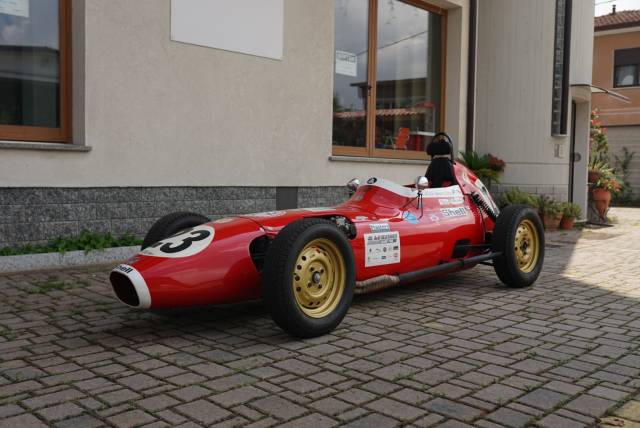
1959 | Elva Competition Mark III
Auction: Sports & Racing Cars - Imola 28 August 2021

Create search alert
Let yourself be notified as soon as a listing is published that matches your search filters.
Create listing
Do you have a Elva Competition that you want to sell? Then create a listing now.
Create listingElva Competition Classic Cars: Prices & Market Values
History of the Elva Competition
Elva, a British manufacturer that emerged in the 1950s, specialised in lightweight racing cars designed for international sports car competitions. The Competition series stands out as the brand's deep dive into the world of privateer motor racing, where Elva chassis competed against formidable factory teams. Built with agility and performance in mind, these cars were often entered into grid races and endurance events across Europe, valued by racing teams and private drivers for their adaptability and engineer-friendly construction. Elva’s reputation was cemented by its willingness to innovate—frequently modifying designs to match evolving racing regulations and customer feedback. Each Competition car was a blend of practicality and competitive spirit, contributing to Elva’s lasting influence on small-batch motorsport manufacturers.
Model History of the Elva Competition
The Elva Competition series traces its lineage to the earliest Mark-series racing cars produced by Elva. Notably, the Competition line inherited the minimalist approach and commitment to weight reduction seen in earlier models while adopting mechanical upgrades over time. Various iterations experimented with engines from suppliers like Coventry Climax and Ford, allowing a flexible response to different race formats and customer preferences. The Competition models served as both successors and spiritual continuations of Elva’s Mark II and Mark IV cars, bridging the gap to more engine-diverse platforms before the mid-1960s when Elva’s focus shifted towards collaborations with McLaren in sports prototype racing.
Highlights of the Elva Competition
Elva Competition models are distinguished by their ultra-light chassis, front-mid engine layouts, and modular approach to component selection. This modularity made them popular with private teams, who often adapted the cars for specific racing regulations or engine preferences. The understated yet functional design prioritised on-track performance over luxury, and the simplicity in engineering promoted straightforward maintenance and rapid repairs during race weekends.
Technical Data of the Elva Competition
Special Editions and Collectible Models
Within the Competition series, a handful of chassis were constructed to order for specific racing teams and events. Some models featured bespoke bodywork or engine upgrades, reflecting the customer-centric, low-volume approach. These one-off or low-number examples are particularly sought-after by collectors knowledgeable in British historic racing, as their histories are often intertwined with notable racing achievements or driver associations.
Engine and Performance, Transmission and Handling
Performance in the Elva Competition centres on its weight advantage and responsive handling. The chassis delivers nimble cornering, aided by a low centre of gravity and carefully tuned suspension geometry. Engine choices, usually compact and revvy, provide excellent power-to-weight ratios, making the driving experience exceptionally lively. The manual gearbox, paired with a direct linkage, offers a precise mechanical feel, while the braking system, simple but effective, gives reliable stopping power even under race conditions. Originality and set-up accuracy are crucial, as deviations or modifications outside period-correct standards can alter the car's unique balance. Popular variants include units fitted with the Coventry Climax FWA or FWB engines due to their lightness and rev-happy character, as well as Ford-based Competition cars prized for parts availability and tunability.
Interior, Comfort, Exterior and Design
The Elva Competition’s design follows motorsport logic: minimalist interiors with bare essential instrumentation and no concessions to comfort beyond the padded race seat. Exteriors are defined by low, streamlined silhouettes and wide, smooth wheel arches to accommodate different tyre packages. Aluminium panelling not only keeps weight down but also brings a purposeful aesthetic, emphasising function over form. Occasionally, period-optional extras included quick-release steering wheels or roll-over protection for specific race requirements, and individual cars may feature custom liveries reflecting former racing sponsors or teams.
Other Features
Many Elva Competition cars have detailed racing documentation—period logbooks, race entry history, and, in some cases, FIA Historic Vehicle Identification Papers (HVIF). These attributes significantly affect value and desirability among motorsport aficionados, especially for those seeking originality and confirmed provenance.
Summary
The Elva Competition series stands as a testament to British motorsport’s ingenuity in the post-war era. With every example representing a union of engineering pragmatism and fearless on-track ambition, these machines continue to fascinate those who appreciate the purity of mechanical race cars. On Classic Trader, the Competition name is synonymous with Elva, reflecting their ongoing status as niche treasures for racing history enthusiasts.