- Automobil
- Delaunay-Belleville
- Delaunay-Belleville HB (0 Angebote)
Delaunay-Belleville HB Classic Cars for Sale
The Delaunay-Belleville HB represents French engineering from the early 20th century, combining technically advanced engine design with a distinct aesthetic appreciated among connoisseurs. This rare model is synonymous with luxury, mechanical innovation, and a unique presence on the classic car market.
Suchergebnisse
Zur Zeit sind keine passenden Inserate zu Ihrer Suche veröffentlicht.
Create search alert
Let yourself be notified as soon as a listing is published that matches your search filters.
Create listing
Do you have a Delaunay-Belleville HB that you want to sell? Then create a listing now.
Create listingDelaunay-Belleville HB listing references from Classic Trader
Below you will find listings related to your search that are no longer available on Classic Trader. Use this information to gain insight into availability, value trends, and current pricing for a "Delaunay-Belleville HB" to make a more informed purchasing decision.
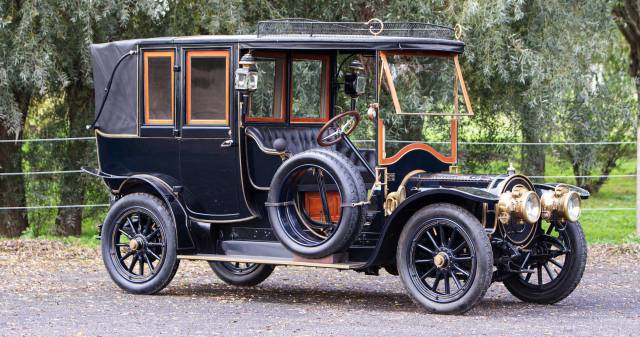
1911 | Delaunay-Belleville HB 6
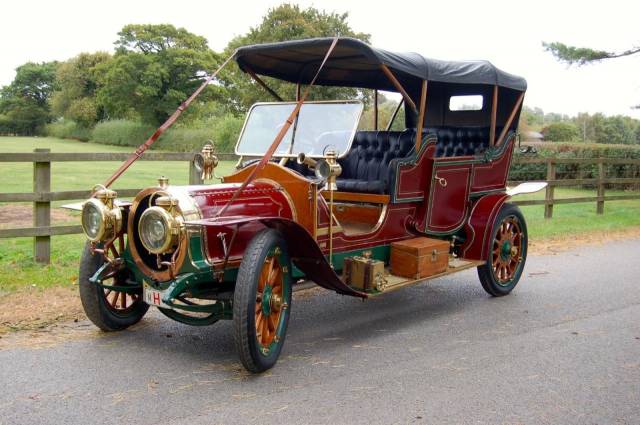
1911 | Delaunay-Belleville Belleville HB4
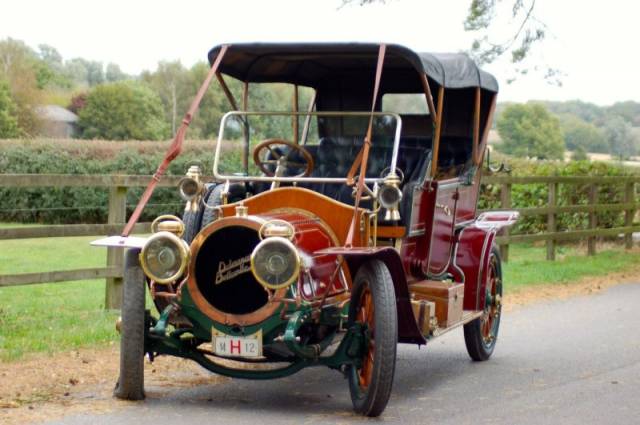
1911 | Delaunay-Belleville Belleville HB4
Create search alert
Let yourself be notified as soon as a listing is published that matches your search filters.
Create listing
Do you have a Delaunay-Belleville HB that you want to sell? Then create a listing now.
Create listingDelaunay-Belleville HB Classic Cars: Prices & Market Values
History of the Delaunay-Belleville HB
Founded in Saint-Denis near Paris in 1903, Delaunay-Belleville established its reputation as a luxury automobile manufacturer with a focus on technologically advanced vehicles. The HB model, introduced during the pre-WWI period, continued the tradition of excellence that the brand set with its earlier models, becoming a preferred choice for heads of state and royalty. Distinctive for its round front grille and advanced engineering, the HB embodied exclusivity and precision, standing as a testament to Belle Epoque motoring.
Model History of the HB Series
The HB was developed as a progression from Delaunay-Belleville’s earlier H-series, refining chassis and engine performance for more demanding clientele. It remained in production throughout the 1910s, often serving as a platform for luxurious custom coachwork. There is no direct successor, as the interwar period saw the company realigning its production focus. The HB’s mechanical layout and unique design mark it as a distinct chapter in Delaunay-Belleville’s lineage.
Highlights of the Delaunay-Belleville HB
The HB distinguishes itself with features seldom seen in its era: pressurised metal lubrication, thermosiphon cooling system, and the famed circular radiator styling. Surviving examples often display bespoke bodywork from renowned Parisian coachbuilders. The exclusivity of the HB is further reflected by its limited numbers and the brand’s high standing among luxury marques of its time.
Technical Data
Special Editions and Collectible Models
The HB was frequently delivered as a chassis-only model for custom bodywork. Cars bodied by Figoni, Kellner, and other high-profile Parisians are considered especially noteworthy. There are no documented factory special editions, but custom-bodied HBs with original, documented histories stand out as particularly collectable.
Weak Spots and Common Issues
No specific weak spots or recurring technical faults for the HB series are documented in our current data. As with any early luxury car, maintenance often revolves around meticulous lubrication, careful cooling system management, and sourcing custom parts for unique bodywork elements. Routine inspection of the engine’s pressurised lubrication system is vital to ensure continued mechanical longevity.
Engine and Performance, Transmission and Handling
The Delaunay-Belleville HB, in standard configuration, was equipped with an inline engine (typically six-cylinder), renowned for its smooth silk-like running and mechanical refinement. The transmission was advanced for its era, commonly a multi-speed manual gearbox, paired with robust running gear suited for continental touring. The HB’s chassis and suspension provided a supremely comfortable ride on the less-than-perfect roads of its time, giving it a significant reputation among its affluent clientele. Most sought-after are examples fitted with large touring or town car bodies by leading Parisian coachbuilders, as these combine the refinement of Delaunay-Belleville’s engineering with the height of early 20th-century automotive artistry.
Interior, Comfort, Exterior and Design
The signature design element of the HB is its rounded 'boilerplate' style radiator, a nod to the company’s roots in marine boiler manufacturing. Interiors often feature sumptuous period-correct upholstery—leather and fine wood trim being the norm for this level of car. Buyers could specify individual accessories and detailing, making each HB unique. External coachwork ranged from formal town cars to open tourers, with a focus on elegant, flowing lines and bespoke brightwork.
Other Notable Attributes
HB models have a rich provenance, as many were originally delivered to statesmen and captains of industry. Surviving paperwork, badges, and custom accessories add to each vehicle’s uniqueness. Restoration and preservation work often involves a close relationship with specialist craftsmen experienced in early French luxury cars.
Summary
The Delaunay-Belleville HB stands at the intersection of French luxury, engineering ambition, and early motoring style. For those in the market for a vehicle that delivers more than just transport—a true reflection of its era’s technological and stylistic prowess—the HB is unmatched in exclusivity and historical significance.