Darracq 15 HP classic cars for sale
The Darracq 15 HP stands as a vivid representative of early 20th-century automotive engineering, known for its technical innovation and elegant period design. With its distinctive chassis and mechanical layout, the 15 HP offers insight into the formative years of motoring history.
Search results
Currently, there are no matching listings for your search.
Create search alert
Let yourself be notified as soon as a listing is published that matches your search filters.
Create listing
Do you have a Darracq 15 HP that you want to sell? Then create a listing now.
Create listingDarracq 15 HP listing references from Classic Trader
Below you will find listings related to your search that are no longer available on Classic Trader. Use this information to gain insight into availability, value trends, and current pricing for a "Darracq 15 HP" to make a more informed purchasing decision.
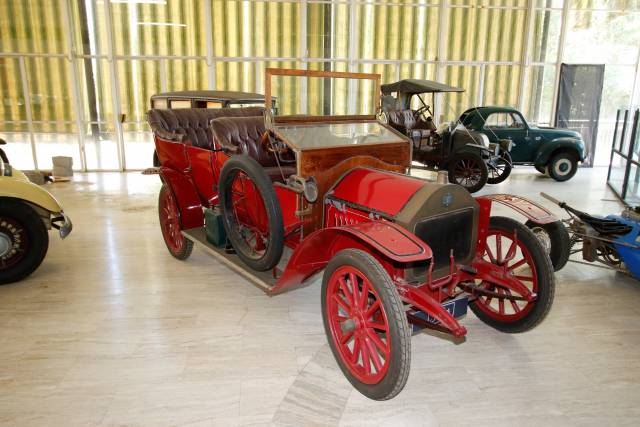
1910 | Darracq 15 HP
Create search alert
Let yourself be notified as soon as a listing is published that matches your search filters.
Create listing
Do you have a Darracq 15 HP that you want to sell? Then create a listing now.
Create listingDarracq 15 HP Classic Cars: Prices & Market Values
History of the Darracq 15 HP
The Darracq 15 HP is rooted in the pioneering era of automobility, with Alexandre Darracq's company making waves in the early 1900s. Darracq quickly became synonymous with precision engineering and was celebrated for building vehicles that merged technical advancement with driveable reliability. The 15 HP reflects the brand’s ambition to offer mid-powered cars to a growing audience intrigued by the possibilities that motor vehicles could offer at the dawn of motoring. This model became a favoured platform for both private individuals and early participation in motorsport, demonstrating the brand’s versatility and technical prowess.
Model lineage of the Darracq 15 HP
The 15 HP was developed as part of Darracq’s series of robust four-cylinder vehicles in the Edwardian period. It succeeded the smaller-displacement models from Darracq and combined lessons learned from earlier, lower-powered versions with advances in carburation and cooling. There isn’t a direct successor within the brand after Darracq changed ownership and shifted focus, but the technical ideology established by the 15 HP informed later Darracq models and influenced other European automakers in subsequent years.
Highlights and special features of the Darracq 15 HP
Distinctive elements of the Darracq 15 HP include its period-accurate longitudinal chassis, a well-engineered four-cylinder side-valve engine, and meticulously hand-built bodywork from continental coachbuilders. The interplay of early safety features and mechanical brakes made it a progressive option for its time. Interest in the 15 HP is driven by its authenticity and its representation of an early automotive era that demanded mechanical knowledge from drivers.
Technical data for the Darracq 15 HP
Special editions and collectors’ models of the Darracq 15 HP
No widely recognised factory-authorised special editions or limited production versions of the 15 HP are documented. However, unique coachbuilt variations exist, as many chassis were delivered to specialist body builders, resulting in bespoke tourers, limousines, and even sporting bodies, each with its own historical and collector value.
Weak spots and common issues with the Darracq 15 HP
Owning a Darracq 15 HP requires familiarity with brass-era automotive technology. Common concerns involve the lubrication system, which demands manual attention, and the potential wear of early mechanical brakes and ignition components. Routine valve adjustment, careful carburettor tuning, and monitoring of the chain or shaft final drive are crucial for reliable running. Sourcing period-correct replacement parts can also be challenging, making preventative care essential.
Engine, performance and handling
With a displacement around the 2.5 to 3.0 litre range (varied by production year), the 15 HP delivers tractable performance suitable for leisurely touring. Typical top speeds approach 60 km/h, depending on body configuration and fine mechanical adjustment. The manually operated gearbox and solid rear axle demand engaged driving and favour those familiar with veteran car techniques. In the context of its era, the ride comfort and steering are considered progressive for regular use. Key examples include professionally restored open tourers and landaulette-bodied limousines, many of which retain original mechanical configuration. These exemplify both period-correct engineering and considerate preservation.
Design, interior and equipment of the Darracq 15 HP
The Darracq 15 HP is defined by upright, open bodies in a variety of early 20th-century shapes, commonly fitted with quality timber and leather upholstery. Brass fittings abound, including prominent radiator surrounds and period-correct lighting arrangements. Most were delivered as rolling chassis for bespoke bodywork, leading to significant individual variation. Accessories like fold-down windscreens and occasional rear seats are typical, reflecting the flexibility of pre-war car fabrication.
Other relevant aspects of the Darracq 15 HP
Restoration and documentation are of critical importance with early Darracqs, as original records, period documentation, and even period registration plates enhance both provenance and historical interest. Participation in veteran car rallies and period-themed driving events is common for owners, linking the 15 HP to a wider community of brass-era enthusiasts.
Summary of the Darracq 15 HP
The Darracq 15 HP encapsulates the robust and innovative approach to motoring of its era, standing out as a benchmark vehicle for collectors and historians of early automotive engineering. Its presence on today’s classic market is due both to its distinctive mechanical setup and its unique contribution to the story of European motorcar development.