Cretors Model D classic cars for sale
Cretors' Model D stands out in the world of classic vehicles for its role in American street culture and mechanical ingenuity. As a highly specialised vehicle, it reflects both the technical imagination and craftsmanship of its era. Buyers and enthusiasts will find the Model D to be a genuine piece of automotive history with a strong identity of purpose and robust mechanicals. For more on the unique background and story of this model, continue reading.
Resultados de la búsqueda
Actualmente no hay anuncios que coincidan con su búsqueda.
Create search alert
Let yourself be notified as soon as a listing is published that matches your search filters.
Create listing
Do you have a Cretors Model D that you want to sell? Then create a listing now.
Create listingCretors Model D listing references from Classic Trader
Below you will find listings related to your search that are no longer available on Classic Trader. Use this information to gain insight into availability, value trends, and current pricing for a "Cretors Model D" to make a more informed purchasing decision.
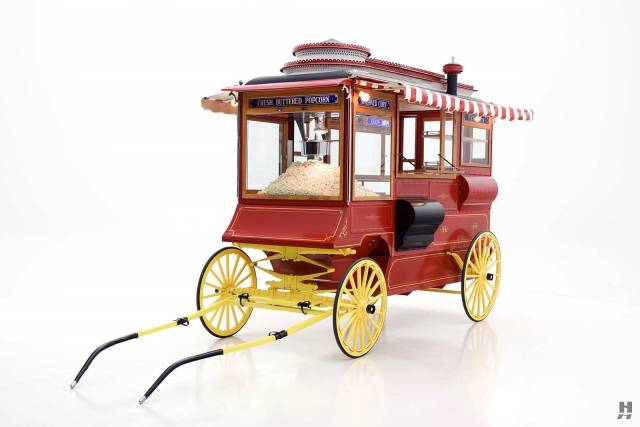
1910 | Cretors Model D
Cretors Model D
Create search alert
Let yourself be notified as soon as a listing is published that matches your search filters.
Create listing
Do you have a Cretors Model D that you want to sell? Then create a listing now.
Create listingCretors Model D Classic Cars: Prices & Market Values
History of the Cretors Model D
The Cretors Model D emerged as a testament to the early days of American ingenuity, with roots in late 19th and early 20th-century manufacturing. Renowned primarily for their steam-powered popcorn wagons, Cretors introduced the Model D to meet growing urban demand. These vehicles were engineered for reliability and practicality, allowing vendors to navigate city streets and fairs with mobile popcorn operations. The Model D marks a significant chapter in the evolution of commercial vehicles, marrying function with mechanical reliability.
Model history
The Model D followed earlier iterations of Cretors popcorn wagons, representing a leap forward in terms of technical improvement and operational practicality. Compared to its predecessors, the Model D offered improved drivability and more robust engineering, specifically tailored for daily commercial use. There is limited documentation on direct successors due to the highly specialised nature of this model line, but later Cretors vehicles evolved with further mechanical enhancements and adaptation to new propulsion technologies as internal combustion engines gained traction.
Highlights of Cretors Model D
Distinct for its dedicated popcorn vending configuration, the Model D combined a unique purpose-built design with durable, straightforward technology. This vehicle stands as a niche workhorse, designed to serve both as a mobile vending platform and a showcase of early automotive engineering. Key aspects included its steam-powered machinery and heavy-duty construction, reflecting an era when function dictated form and mechanics. These aspects appeal particularly to specialty collectors and enthusiasts of industrial heritage vehicles.
Technical Data
Special Editions and Collectible Models
Cretors occasionally produced bespoke versions of the Model D, tailored for larger event venues or municipal clients. These rare configurations could include customised liveries, enhanced vending features, or additional decorative elements. Documentation of these special models remains limited due to the vehicle’s narrow production volume and highly individual commissioning.
Weak Spots and Common Issues
Given the age and steam-powered technology of the Model D, recurring issues include wear of boiler components, leaking gaskets, and corrosion of the metal structure. Preserving the original vending apparatus requires regular inspection for rust and functionality. Replacement parts are scarce and may need to be custom fabricated, making proper preventative maintenance essential.
Engine and Performance, Transmission and Handling
Performance of the Model D was defined not by speed, but by rugged dependability and operational stability. The steam engine delivered consistent torque for slow, steady street movement – ideal for vending at fairs or high-traffic areas. Handling was straightforward for the era – a focus on durability over agility, given the intended urban street usage. Today, restoring operational examples means carefully maintaining the engine's pressure tolerance and drivetrain reliability. Within the Cretors brand, the Model D is the principal model with documented automotive significance. It’s notable for its direct steam-driven technology and single-purpose construction, setting it apart even within industrial/commercial classic vehicle circles.
Interior, Comfort, Exterior and design
Design-wise, the Model D broke from conventional passenger vehicles, utilising a utilitarian configuration. The exterior presented a distinctive silhouette with its integrated stovepipe, vending window, and bright period graphics or pinstriping. Interior space was minimal, prioritising room for the boiler, popcorn equipment, and operator mobility. Special livery and accessories were often installed for prominent street use, including awnings, lanterns, and custom paint choices to attract customers.
Other relevant features
As a mobile food preparation vehicle over a century old, the Model D can be of notable interest to vintage commercial equipment collectors and museums. Its history links food culture and urban commercial development, making it a rare historical artefact beyond standard automotive circles.
Summary
The Cretors Model D is a highly specific classic vehicle, valued for its representation of early commercial vehicle engineering and food vending history. The Model D’s unique combination of steam power, dedicated vending design, and authentic period features make it a compelling subject for advanced collectors and historians alike. Its rarity in both supply and demand statistics only enhances its status within classic vehicle circles.