Buick Standard Six classic cars for sale
The Buick Standard Six, produced between 1925 and 1928, stands as a prime example of 1920s American automotive engineering. With its reliable straight-6 OHV engine and robust construction, the Standard Six appeals to fans of pre-war classics and Buick aficionados looking for originality. Discover available Buick Standard Six cars below.
Suchergebnisse
Zur Zeit sind keine passenden Inserate zu Ihrer Suche veröffentlicht.
Create search alert
Let yourself be notified as soon as a listing is published that matches your search filters.
Create listing
Do you have a Buick Standard Six that you want to sell? Then create a listing now.
Create listingBuick Standard Six listing references from Classic Trader
Below you will find listings related to your search that are no longer available on Classic Trader. Use this information to gain insight into availability, value trends, and current pricing for a "Buick Standard Six" to make a more informed purchasing decision.
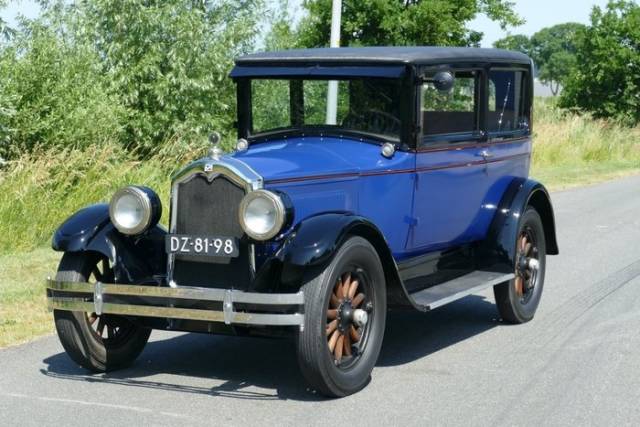
1927 | Buick Standard Six
Buick - Standard Six - 1927

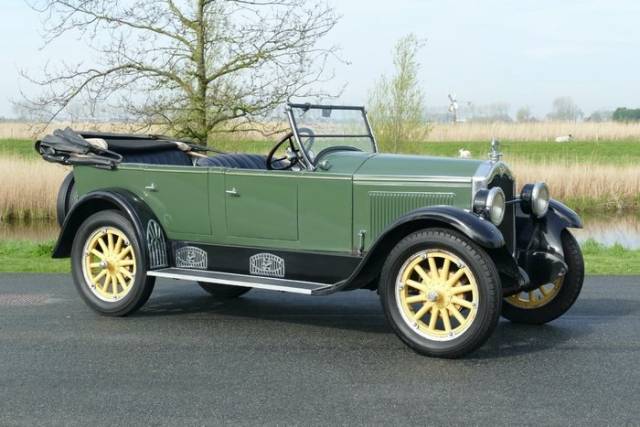
1925 | Buick Standard Six
Buick - Standard Six Phaeton - 1925
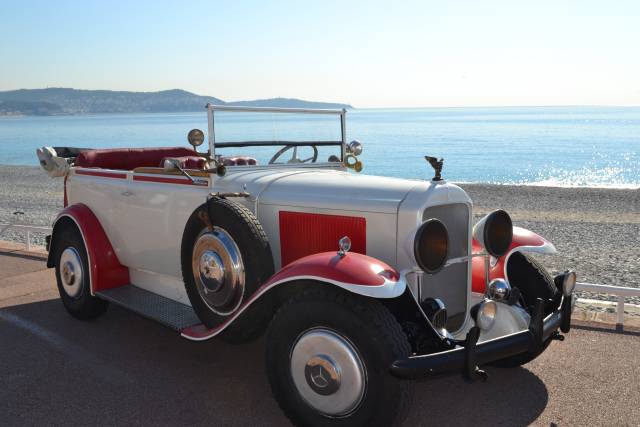
1929 | Buick Standard Six

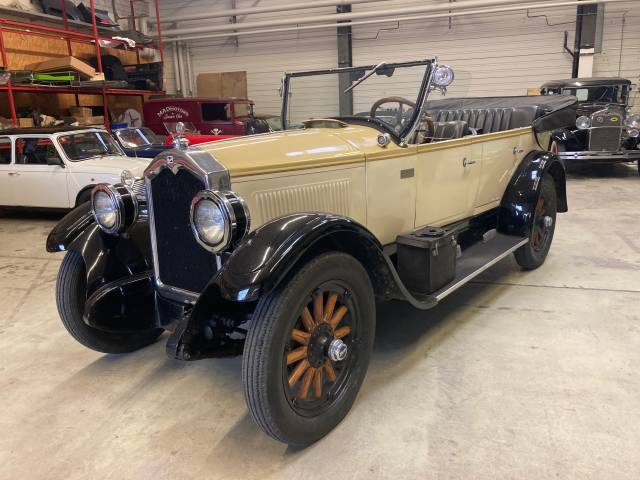
1927 | Buick Standard Six
Fantastischer 5 Plätzer mit kräftigem 6 Zylinder

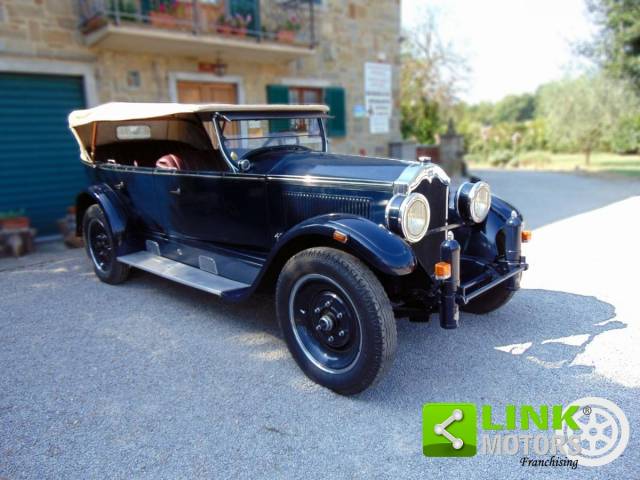
1924 | Buick Standard Six
Buick Standard-Six Torpedo, anno 1924, da immatricolare, un gioiello

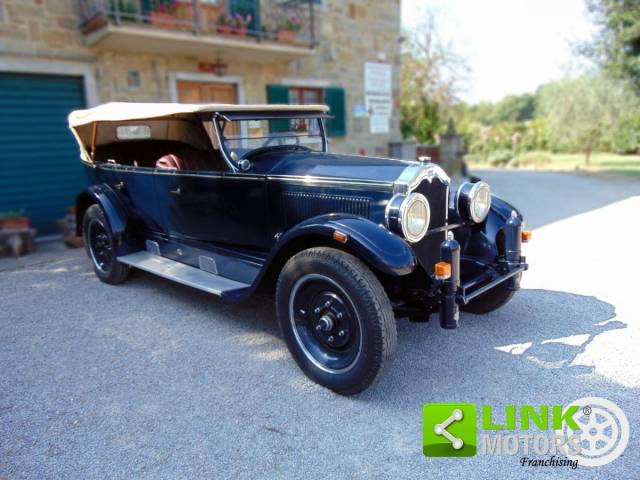
1929 | Buick Standard Six
Buick Standard-Six Torpedo, anno 1929, da immatricolare, un gioiello
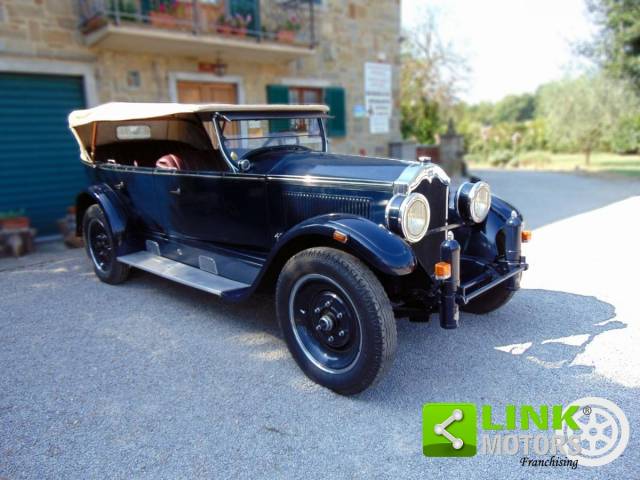
1929 | Buick Standard Six
Buick Standard-Six Torpedo, anno 1929, da immatricolare, un gioiello
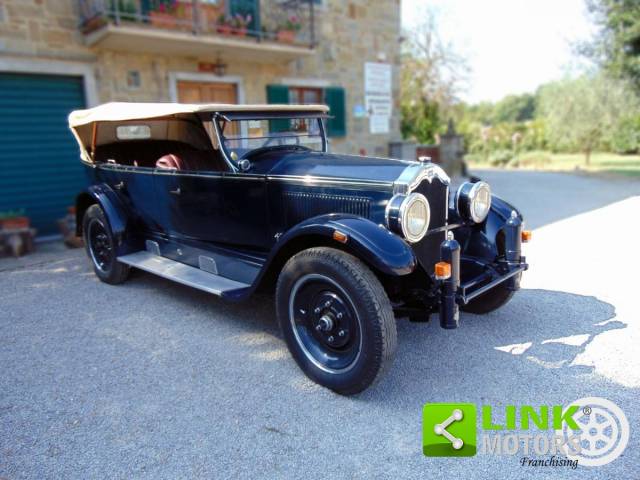
1929 | Buick Standard Six
Buick Standard-Six Torpedo, anno 1929, da immatricolare, un gioiello
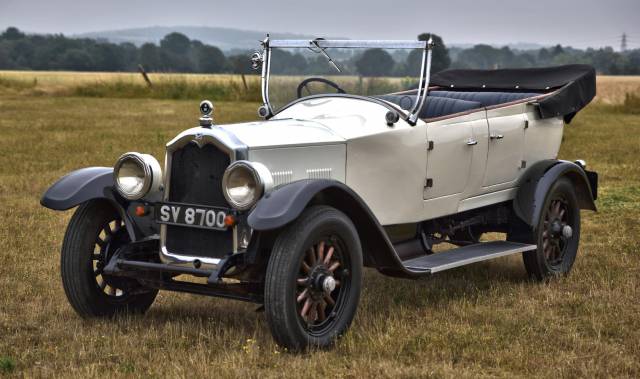
1927 | Buick Standard Six

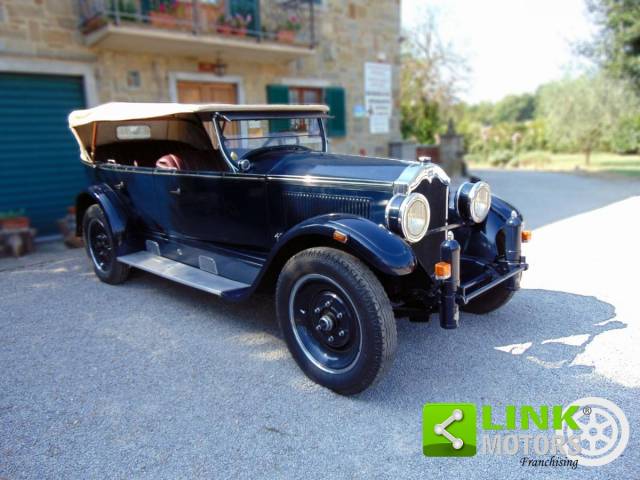
1929 | Buick Standard Six
Buick Standard-Six Torpedo, anno 1929, da immatricolare, un gioiello
Create search alert
Let yourself be notified as soon as a listing is published that matches your search filters.
Create listing
Do you have a Buick Standard Six that you want to sell? Then create a listing now.
Create listingBuick Standard Six Classic Cars: Prices & Market Values
History of the Buick Standard Six
Buick introduced the Standard Six Series 20 in 1925, positioning it as the more accessible sibling to the upscale Master Six. As the marque phased out its 4-cylinder models, the Standard Six marked a shift towards more powerful, smoother-running straight-six engines. Built on the GM A platform, this model shared key engineering traits with Oldsmobile, Oakland, and Chevrolet, benefiting from General Motors' rapidly advancing production methods. The Standard Six quickly garnered a reputation for durability and advanced engine technology for its era.
Model History
The origin of the Standard Six traces back to the earlier Buick Six, which replaced all 4-cylinder offerings in the lineup. After its launch, the Standard Six saw modest improvements year by year, retaining the reliable overhead valve (OHV) straight-six throughout production. Following its final year in 1928, the Standard Six made way for the next generation of Buick six-cylinder models, reflecting a constant drive towards refinement in the late 1920s automotive landscape.
Highlights of the Buick Standard Six
Key distinguishing factors for the Buick Standard Six are its OHV straight-six engine, robust A platform, and a design focused on reliability and ease of maintenance—qualities highly valued in the 1920s. The Standard Six's role as Buick's junior model ensured it was priced for a broader audience without sacrificing build quality. Distinctive for its era, it was engineered to stand up to poor road surfaces and extended mileage, making surviving examples particularly appreciated among collectors of pre-war vehicles.
Technical Data
Special Editions and Collectible Models
No special or limited editions of the Standard Six have been reported from available sources. Every example produced between 1925 and 1928 follows similar specifications, emphasising robust construction and reliable engineering.
Weak Spots and Common Issues
While the robust construction of the Buick Standard Six was advanced for its day, age-related wear poses restoration challenges. Potential buyers should carefully inspect for engine wear, frame rust, and the integrity of original electrical components, as replacement parts can be scarce due to the unique design elements from this era. Familiarity with early Buick engineering aids in sourcing suitable period-correct spares.
Engine and Performance, Transmission and Handling
The Standard Six's overhead valve straight-six engine delivered improved fuel efficiency and smoother power compared to the outgoing 4-cylinder units. Its transmission and suspension setup offered sturdy road holding for 1920s conditions, prioritising durability over outright speed. Handling reflects the standards of its time, focusing on comfort and resilience against poor road surfaces. The Standard Six spans all available models for this era, as no derivatives or offshoots were built. All feature the hallmark straight-six OHV engine, a key point for performance and reliability.
Interior, Comfort, Exterior and Design
Interiors in the Buick Standard Six were designed for practical elegance, with wood-rimmed steering wheels and instrumentation in clear view. Upholstery reflected common 1920s materials, with fabric and leatherette used extensively. Exteriors feature the upright stance typical for the period, with prominent fenders and running boards. No notable special-order paint finishes or factory accessories have been documented, but original designs frequently incorporated subtle art-deco detailing and Buick-specific signature grilles.
Other Relevant Features
The Standard Six's engineering directly influenced other GM brands, sharing many developments with Oldsmobile, Oakland, and Chevrolet. This cross-brand experience made parts interchangeability occasionally possible, assisting preservation efforts today.
Summary
The Buick Standard Six combines early General Motors innovation with the robust mechanicals needed for post-war America. With a 100% share in current listings for classic Buicks from this era, it stands apart as a significant and unique entry into pre-war automotive history. The Standard Six's balanced engineering, historical context, and sturdy construction provide a tangible link to the technological strides of the 1920s.